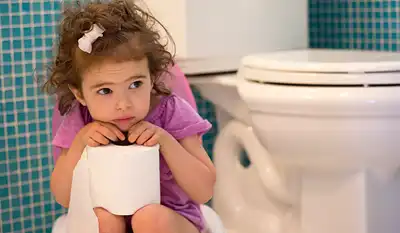
Fecal incontinence in children, also known as encopresis or bowel incontinence, is a condition in which a child who is old enough for toilet training passes stool involuntarily in their underwear. It is commonly associated with chronic constipation, where hard stool becomes trapped in the rectum and softer stool leaks around it. Although fecal incontinence can be distressing for both children and parents, it is a treatable condition. Early diagnosis, appropriate bowel management, and supportive care can help restore normal bowel habits and improve a child’s confidence and quality of life.
What is Fecal Incontinence in Children?
Fecal incontinence is the accidental leakage of stool in children who have already achieved toilet training. Most cases occur because of long-standing constipation, but it can also result from neurological disorders, congenital conditions, or emotional factors.
Children with fecal incontinence are usually not intentionally soiling their clothes, and punishment should be avoided.
What are the Symptoms of Fecal Incontinence in Children?
The symptoms may vary depending on the underlying cause and severity. Common signs include:
- Accidental passage of stool in underwear
- Chronic constipation
- Hard or painful bowel movements
- Large stools that may block the toilet
- Abdominal pain or bloating
- Reduced appetite
- Stool leakage with foul odor
- Avoiding or delaying bowel movements
- Bedwetting in some children
- Irritability or embarrassment due to soiling
Parents should consult a doctor if stool leakage continues after toilet training or is associated with severe constipation or abdominal pain.
What are the Causes of Fecal Incontinence in Children?
Several conditions can contribute to fecal incontinence, including:
- Chronic constipation (most common cause)
- Stool withholding behavior
- Painful bowel movements
- Poor toilet training habits
- Emotional stress or anxiety
- Hirschsprung disease
- Spinal cord abnormalities
- Neurological disorders
- Congenital anorectal malformations
- Developmental disorders
Identifying and treating the underlying cause is essential for long-term improvement.
Which Children are at Higher Risk?
Children who may have a higher risk include:
- Children with chronic constipation
- Children with developmental delays
- Children with autism spectrum disorder
- Children with attention-deficit/hyperactivity disorder (ADHD)
- Children with neurological disorders
- Children experiencing emotional stress or significant life changes
Types of Fecal Incontinence
Retentive Fecal Incontinence
The most common type, caused by chronic constipation and stool retention.
Non-Retentive Fecal Incontinence
Occurs without constipation and may be associated with behavioral or psychological factors.
How is Fecal Incontinence Diagnosed?
Doctors diagnose fecal incontinence through medical history, physical examination, and appropriate investigations.
Diagnostic tests may include:
- Physical examination
- Abdominal examination
- Rectal examination when necessary
- Abdominal X-ray to assess stool burden
- Blood tests in selected cases
- Evaluation for neurological or developmental disorders if indicated
These assessments help determine the cause and guide treatment.
Treatment for Fecal Incontinence in Children
Constipation Management
Treating constipation is the most important step. This may involve stool-softening medications, bowel clean-out programs, and regular toilet routines under medical supervision.
Dietary Changes
A diet rich in fiber, adequate water intake, and healthy eating habits help maintain regular bowel movements.
Toilet Training and Behavioral Therapy
Establishing regular toilet schedules and using positive reinforcement can improve bowel control.
Homeopathic Treatment
Homeopathy focuses on supporting digestive health, improving bowel function, strengthening overall wellbeing, and helping reduce recurrent constipation naturally. At Dr. Sanjay’s Homoeopathy, treatment is individualized according to the child’s bowel habits, digestive symptoms, dietary history, emotional wellbeing, immunity, and constitutional profile. The clinic follows a holistic approach designed to complement appropriate medical management and bowel rehabilitation.
Fecal Incontinence Homeopathic Remedies for Children
Homeopathic medicines are prescribed individually after a comprehensive evaluation.
Alumina
Often considered for chronic constipation with difficult stool passage.
Nux Vomica
May help constipation associated with irregular bowel habits and digestive disturbances.
Lycopodium
Commonly considered for bloating, constipation, and abdominal discomfort.
Silicea
May be recommended for chronic constipation and weak bowel function.
Calcarea Carbonica
Sometimes considered for children with delayed bowel habits and constitutional sluggishness.
Homeopathic treatment should always be supervised by a qualified physician and should complement—not replace—medical treatment for chronic constipation or underlying disorders.
Complications of Untreated Fecal Incontinence
If left untreated, fecal incontinence may lead to:
- Persistent constipation
- Painful bowel movements
- Emotional distress and embarrassment
- Low self-esteem
- Social withdrawal
- School-related difficulties
- Recurrent urinary tract infections in some children
Early treatment improves both physical and emotional wellbeing.
How Can Parents Help a Child with Fecal Incontinence?
Parents can support their child by:
- Encouraging regular toilet habits after meals
- Providing a fiber-rich diet and adequate fluids
- Avoiding punishment or criticism for accidents
- Using positive reinforcement and encouragement
- Following the doctor’s bowel management plan consistently
- Seeking medical advice if symptoms persist or worsen
Frequently Asked Questions (FAQs)
What is fecal incontinence in children?
Fecal incontinence is the accidental leakage of stool in a child who has already been toilet trained, most commonly due to chronic constipation.
What is the most common cause of fecal incontinence?
Chronic constipation with stool retention is the leading cause of fecal incontinence in children.
Can fecal incontinence improve with treatment?
Yes. Most children improve with proper constipation management, dietary changes, toilet training, and treatment of the underlying cause.
Can homeopathy help children with fecal incontinence?
Homeopathy may help support digestive health, bowel function, and overall wellbeing naturally as part of a comprehensive treatment plan alongside appropriate medical care.
When should parents consult a doctor?
Parents should seek medical evaluation if stool leakage continues after toilet training, is associated with chronic constipation, abdominal pain, blood in the stool, or poor growth.
Why choose Dr. Sanjay’s Homoeopathy for Fecal Incontinence Treatment in Children in Lucknow, India?
At Dr. Sanjay’s Homoeopathy, children with chronic digestive and bowel disorders receive advanced and holistic homeopathic care under the expert guidance of Dr. Sanjay Singh, MD (Homoeopathy), who has more than 22 years of experience in treating pediatric gastrointestinal and developmental health conditions naturally. The clinic is trusted by families from Lucknow, across India, and internationally for its personalized treatment plans, detailed child evaluations, and compassionate care. Every child is assessed according to bowel habits, digestive health, diet, emotional wellbeing, immunity, and constitutional profile to provide individualized treatment aimed at supporting healthy bowel function and overall wellbeing naturally. Dr. Sanjay’s Homoeopathy also works alongside pediatric gastroenterologists and recommends specialist evaluation whenever structural or neurological conditions are suspected.