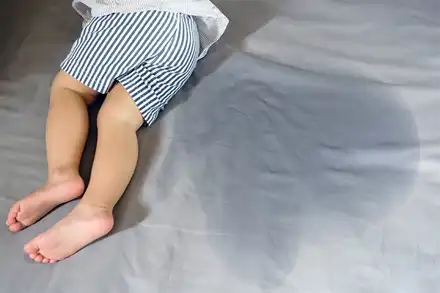
Bedwetting in children, also known as nocturnal enuresis, is a common condition in which a child accidentally passes urine during sleep after the age when bladder control is normally expected. Many children experience occasional bedwetting during early childhood, but frequent nighttime urination can affect a child’s confidence, emotional well-being, sleep quality, and daily routine. Bedwetting is usually not caused by laziness or intentional behavior, and in most cases, it can be managed effectively with proper guidance and treatment. Early evaluation is important if the condition continues for a long time or suddenly begins after a period of dryness.
What is Bedwetting in Children?
Bedwetting is the involuntary release of urine during sleep, usually occurring at night. It commonly affects children above the age of 5 years who are unable to fully control bladder function during sleep.
Some children may wet the bed occasionally, while others may experience it several times a week. The condition may occur alone or along with daytime urinary symptoms.
Symptoms of Bedwetting in Children
Common symptoms associated with bedwetting include:
- Passing urine during sleep
- Wet bedsheets or clothes in the morning
- Frequent nighttime urination
- Deep sleeping pattern
- Daytime urgency in some children
- Emotional stress or embarrassment
- Irritability or low confidence
- Disturbed sleep
Parents should consult a doctor if bedwetting continues regularly after the age of 5 years or suddenly starts again after months of dryness.
Causes of Bedwetting in Children
Several physical and emotional factors may contribute to bedwetting, including:
- Delayed bladder development
- Deep sleep patterns
- Family history of bedwetting
- Small bladder capacity
- Excess urine production at night
- Emotional stress or anxiety
- Constipation
- Urinary tract infection
- Poor toilet habits
- Hormonal imbalance affecting urine production
In many children, bedwetting improves gradually as bladder control matures.
Which Children are at Higher Risk?
Some children may have a higher risk of developing bedwetting, including:
- Children with a family history of bedwetting
- Deep sleepers
- Children under emotional stress
- Children with constipation or urinary problems
- Children with delayed bladder maturity
Types of Bedwetting in Children
Primary Bedwetting
The child has never consistently stayed dry at night for a long period.
Secondary Bedwetting
The child starts wetting the bed again after being dry for several months or years.
How is Bedwetting Diagnosed in Children?
Doctors diagnose bedwetting through medical history, physical examination, and evaluation of urinary habits.
Additional tests may include:
- Urine examination
- Ultrasound in some cases
- Bladder assessment
- Tests for infection or constipation if required
These tests help identify any underlying medical condition.
Treatment for Bedwetting in Children
Lifestyle and Behavioral Changes
Parents are advised to encourage regular toilet habits, reduce excessive fluid intake before bedtime, and provide emotional support without punishment or embarrassment.
Homeopathic Treatment
Homeopathy focuses on improving bladder control, nervous system balance, sleep patterns, and overall health naturally in children with bedwetting problems. At Dr. Sanjay’s Homoeopathy, treatment is individualized according to the child’s urinary habits, emotional health, sleep pattern, bladder control, and constitutional condition. The clinic follows a gentle and child-friendly treatment approach aimed at improving long-term bladder control naturally.
Medical Treatment
Some children may require medicines or bladder training techniques under medical supervision in severe cases.
Emotional Support
Children with bedwetting need reassurance, encouragement, and confidence-building support instead of criticism or punishment.
Bedwetting Homeopathic Remedies for Children
Homeopathic remedies are selected individually according to the child’s symptoms and constitutional health.
- Causticum: Often considered for involuntary urination during sleep and weak bladder control.
- Equisetum: May help children with frequent urination and bladder irritation.
- Kreosotum: Commonly used for deep sleepers who wet the bed during the early part of sleep.
- Cina: May be recommended for irritable children with bedwetting associated with worm infestation or restlessness.
- Sepia: Sometimes used for children with emotional stress and urinary weakness.
Homeopathic treatment should always be taken under the supervision of an experienced doctor.
Complications of Untreated Bedwetting
If left unmanaged, persistent bedwetting may lead to:
- Low self-confidence
- Emotional stress and embarrassment
- Anxiety and social withdrawal
- Sleep disturbances
- Reduced participation in social activities
- Emotional strain within the family
Early treatment and emotional support help improve the child’s confidence and well-being.
Frequently Asked Questions (FAQs)
What is bedwetting in children?
Bedwetting is the involuntary passing of urine during sleep in children, usually after the age when nighttime bladder control is expected.
At what age should bedwetting be a concern?
Occasional bedwetting is common in younger children, but regular bedwetting after the age of 5 years may require medical evaluation.
What causes bedwetting in children?
Common causes include delayed bladder development, deep sleep, stress, constipation, family history, and bladder control issues.
Can emotional stress cause bedwetting?
Yes, stress, anxiety, and emotional changes can sometimes contribute to bedwetting in children.
Can homeopathy help with bedwetting problems?
Homeopathy may help improve bladder control, sleep patterns, emotional wellbeing, and overall health naturally in children.
Why choose Dr. Sanjay’s Homoeopathy for Bedwetting Treatment in Children in Lucknow, India?
At Dr. Sanjay’s Homoeopathy, children with bedwetting problems receive advanced and holistic homeopathic care under the expert guidance of Dr. Sanjay Singh, MD (Homoeopathy), who has more than 22 years of experience in treating pediatric and urinary disorders naturally. The clinic is trusted by parents from Lucknow, across India, and internationally for its compassionate child care, personalized treatment plans, and ethical treatment approach. Every child is carefully evaluated according to bladder habits, emotional health, sleep quality, digestion, immunity, and constitutional condition to provide individualized treatment aimed at improving bladder control naturally. Dr. Sanjay’s Homoeopathy combines classical homeopathic principles with modern medical understanding to provide safe, gentle, and non-invasive care focused on long-term improvement and overall well-being in children.