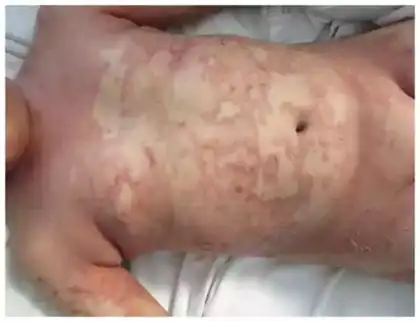
Psoriasis in children is a chronic autoimmune skin condition that causes the rapid buildup of skin cells, resulting in thick, red, scaly patches on the skin. The condition may affect the scalp, elbows, knees, face, hands, feet, or other parts of the body. Although psoriasis is not contagious, it can cause itching, discomfort, and emotional distress in children. Early diagnosis and appropriate treatment can help control flare-ups, reduce symptoms, and improve a child’s quality of life.
What is Psoriasis in Children?
Psoriasis is a long-term inflammatory skin disorder in which the immune system speeds up the skin cell growth cycle. Instead of shedding normally, skin cells accumulate on the surface, forming raised, red patches covered with silvery-white scales.
The condition often follows a pattern of flare-ups and periods of improvement (remission).
What are the Symptoms of Psoriasis in Children?
The symptoms vary depending on the type and severity of psoriasis. Common signs include:
- Red, raised patches of skin
- Silvery-white scales on the affected areas
- Dry, cracked skin that may bleed
- Itching or burning sensation
- Thickened skin plaques
- Scalp scaling or dandruff-like flakes
- Nail pitting or discoloration
- Painful skin cracks
- Joint pain or swelling in some children (psoriatic arthritis)
- Recurrent flare-ups and remission
Parents should seek medical advice if persistent scaly skin patches do not improve or are associated with joint pain.
What are the Causes of Psoriasis in Children?
The exact cause is not fully understood, but several factors contribute to the development of psoriasis.
Autoimmune Response
The immune system mistakenly triggers excessive skin cell production.
Genetic Factors
Children with a family history of psoriasis are more likely to develop the condition.
Infections
Streptococcal throat infections can trigger guttate psoriasis in susceptible children.
Skin Injury
Cuts, scratches, burns, or insect bites may trigger new psoriasis lesions (Koebner phenomenon).
Stress
Emotional stress may contribute to flare-ups in some children.
Which Children are at Higher Risk?
Children at higher risk include:
- Children with a family history of psoriasis
- Children with autoimmune disorders
- Children with recurrent streptococcal throat infections
- Children experiencing emotional stress
- Children who are overweight or obese
Types of Psoriasis in Children
Plaque Psoriasis
The most common type, characterized by thick, red patches covered with silvery scales.
Guttate Psoriasis
Appears as small, drop-shaped lesions, often following a throat infection.
Scalp Psoriasis
Primarily affects the scalp, causing scaling and itching.
Inverse Psoriasis
Develops in skin folds such as the armpits and groin.
Pustular Psoriasis
A rare form characterized by pus-filled blisters surrounded by red skin.
How is Psoriasis Diagnosed in Children?
Doctors diagnose psoriasis through medical history and physical examination.
Diagnostic investigations may include:
- Physical examination
- Family history assessment
- Skin biopsy in selected cases
- Evaluation for joint involvement if arthritis is suspected
These investigations help confirm the diagnosis and rule out other skin disorders.
Treatment for Psoriasis in Children
Skin Moisturization
Regular use of fragrance-free moisturizers helps reduce dryness and scaling.
Medical Treatment
Treatment may include topical corticosteroids, vitamin D analogues, calcineurin inhibitors, phototherapy, or systemic medications in severe cases under dermatological supervision.
Trigger Management
Avoiding known triggers such as infections, skin injuries, and stress can help reduce flare-ups.
Homeopathic Treatment
Homeopathy focuses on supporting healthy skin, balancing immune function, reducing the tendency for recurrent flare-ups, and promoting overall wellbeing naturally in children with chronic skin conditions. At Dr. Sanjay’s Homoeopathy, treatment is individualized according to the child’s skin symptoms, family history, immune health, emotional wellbeing, and constitutional profile. The clinic follows a holistic approach designed to complement dermatological care. Homeopathy should not replace evidence-based medical treatment for moderate to severe psoriasis.
Psoriasis Homeopathic Remedies for Children
Homeopathic medicines are prescribed individually after a detailed assessment.
Arsenicum Album
Often considered for dry, scaly skin with burning and itching.
Graphites
May be recommended for thick, cracked skin with sticky discharge.
Sulphur
Commonly considered for chronic itchy skin conditions with redness.
Petroleum
May help children with dry, cracked skin that worsens during cold weather.
Mezereum
Sometimes prescribed for psoriasis with thick crusts and severe itching.
Homeopathic treatment should always be supervised by a qualified physician and should complement appropriate dermatological treatment.
Complications of Untreated Psoriasis
Without proper treatment, psoriasis may lead to:
- Persistent itching and discomfort
- Skin infections due to scratching
- Painful skin cracks
- Nail deformities
- Psoriatic arthritis
- Emotional stress and anxiety
- Reduced self-esteem and quality of life
Early treatment helps control symptoms and reduce complications.
How Can Parents Help Prevent Psoriasis Flare-Ups?
Parents can help by:
- Applying moisturizers regularly
- Avoiding harsh soaps and skin irritants
- Treating throat infections promptly
- Encouraging a healthy, balanced diet
- Managing stress through supportive family care
- Following the dermatologist’s treatment plan consistently
Frequently Asked Questions (FAQs)
What is psoriasis in children?
Psoriasis is a chronic autoimmune skin condition that causes red, thick, scaly patches due to rapid skin cell growth.
Is psoriasis contagious?
No. Psoriasis cannot spread from one person to another through touch or close contact.
Can children outgrow psoriasis?
Psoriasis is a chronic condition that may improve or worsen over time. Many children experience periods of remission, but regular management is often needed.
Can homeopathy help children with psoriasis?
Homeopathy may help support skin health, immune balance, and overall wellbeing naturally as part of a comprehensive treatment plan alongside appropriate dermatological care.
When should parents consult a doctor?
Parents should seek medical evaluation if a child develops persistent scaly skin patches, severe itching, painful skin cracks, nail changes, or joint pain.
Why choose Dr. Sanjay’s Homoeopathy for Psoriasis Treatment in Children in Lucknow, India?
At Dr. Sanjay’s Homoeopathy, children with psoriasis and other chronic autoimmune skin disorders receive advanced and holistic homeopathic care under the expert guidance of Dr. Sanjay Singh, MD (Homoeopathy), who has over 22 years of experience in treating pediatric skin conditions naturally. The clinic is trusted by families from Lucknow, across India, and internationally for its individualized treatment plans, detailed skin evaluations, and compassionate child-centered care. Every child is assessed according to the severity of skin involvement, immune health, family history, nutritional status, emotional wellbeing, and constitutional profile to provide personalized treatment aimed at supporting healthy skin naturally. Dr. Sanjay’s Homoeopathy also works alongside dermatologists and recommends timely specialist care for children with extensive skin involvement or suspected psoriatic arthritis.