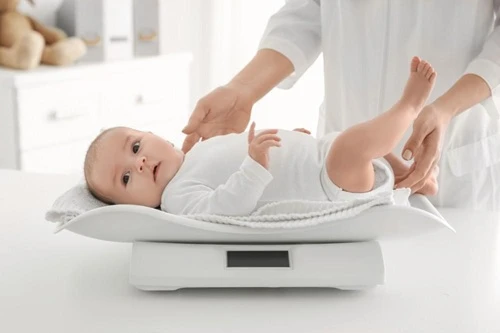
Weight loss in children can occur for many reasons, including inadequate nutrition, infections, digestive disorders, chronic illnesses, increased physical activity, or emotional and psychological difficulties. A small change in weight may sometimes be temporary, but unexplained, persistent, or significant weight loss should not be ignored, particularly when it is accompanied by poor appetite, diarrhea, vomiting, fatigue, abdominal pain, or slowed growth. Early evaluation can help identify the underlying cause and ensure that the child receives adequate nutrition for healthy growth and development.
What is Weight Loss in Children?
Weight loss refers to a decrease in a child’s body weight that is greater than expected for their normal growth pattern.
Children naturally gain weight as they grow, so losing weight or failing to gain weight appropriately can be an important sign of an underlying problem. Doctors generally assess weight together with height, age, growth pattern, and development rather than looking at a single weight measurement.
In younger children, poor weight gain or crossing downward through growth-chart percentiles may be more important than an obvious reduction in weight.
What is Symptoms Associated with Weight Loss in Children?
Unexplained weight loss may occur with other symptoms, depending on its cause. These may include:
- Reduced appetite
- Poor feeding
- Persistent tiredness
- Weakness
- Abdominal pain
- Diarrhea
- Vomiting
- Bloating
- Constipation
- Increased thirst
- Frequent urination
- Fever
- Recurrent infections
- Pale skin
- Poor concentration
- Delayed growth
- Delayed puberty
- Increased irritability
- Changes in eating behavior
Parents should consult a pediatrician if a child is losing weight without an obvious reason or is not growing as expected.
What Causes of Weight Loss in Children?
There are many possible causes of weight loss in children.
Inadequate Nutrition
Children may lose weight when they are not consuming enough calories, protein, vitamins, or minerals to meet their body’s needs.
This may occur because of:
- Poor appetite
- Feeding difficulties
- Very selective eating
- Difficulty chewing or swallowing
- Inadequate meal intake
- Food insecurity
Gastrointestinal Disorders
Digestive diseases can interfere with nutrient absorption or cause loss of appetite. Examples include:
- Celiac disease
- Inflammatory bowel disease
- Crohn’s disease
- Ulcerative colitis
- Chronic diarrhea
- Food intolerances
- Malabsorption disorders
Infections
Persistent or recurrent infections can increase the body’s nutritional requirements and reduce appetite.
Diabetes
Type 1 diabetes can cause unexplained weight loss along with increased thirst and frequent urination.
Thyroid Disorders
An overactive thyroid can increase metabolism and contribute to weight loss despite a normal or increased appetite.
Chronic Medical Conditions
Heart, kidney, liver, lung, and other chronic illnesses may affect appetite, metabolism, or nutrient absorption.
Emotional and Psychological Factors
Stress, anxiety, depression, bullying, eating disorders, or difficulties at home or school can sometimes affect a child’s eating habits and weight.
Increased Physical Activity
Older children and adolescents who participate in intensive sports or physical activity may lose weight if their calorie intake does not meet their energy requirements.
Which Children are at Higher Risk?
Children who may require closer monitoring include:
- Children with chronic illnesses
- Children with persistent digestive symptoms
- Children with recurrent infections
- Children with feeding difficulties
- Children with restricted diets
- Children with food allergies or intolerances
- Children with a family history of metabolic or gastrointestinal disorders
- Adolescents experiencing significant emotional stress
- Children involved in intensive sports training
Types of Weight Loss in Children
Acute Weight Loss
Weight decreases over a relatively short period, often because of an acute illness, dehydration, reduced food intake, or another temporary problem.
Chronic Weight Loss
Weight gradually decreases over weeks or months and may indicate an underlying medical, nutritional, or psychological condition.
Poor Weight Gain
Some children may not actually lose weight but fail to gain weight at the expected rate. This can also indicate a growth or nutritional problem.
Weight Loss Associated with Chronic Disease
Long-term gastrointestinal, endocrine, inflammatory, or other systemic diseases may cause persistent weight loss.
How is Weight Loss Diagnosed?
A pediatrician first evaluates the child’s growth pattern and looks for possible medical, nutritional, and emotional causes.
Evaluation may include:
- Detailed medical history
- Dietary and feeding history
- Growth-chart assessment
- Physical examination
- Weight and height measurements
- Body mass index assessment when age-appropriate
- Complete Blood Count (CBC)
- Blood glucose testing
- Thyroid function tests
- Liver and kidney function tests
- Celiac disease testing when indicated
- Stool tests
- Nutritional assessment
- Additional imaging or specialist investigations when necessary
The exact tests depend on the child’s symptoms and examination findings.
Treatment for Weight Loss in Children
Treatment focuses on identifying and correcting the underlying cause rather than simply increasing calorie intake.
Nutritional Management
A pediatrician or dietitian may recommend a balanced diet containing adequate:
- Protein
- Healthy fats
- Complex carbohydrates
- Fruits and vegetables
- Calcium
- Iron
- Vitamins and minerals
Children may benefit from smaller, more frequent meals when appetite is poor.
Treatment of Underlying Medical Conditions
If weight loss is caused by celiac disease, diabetes, thyroid disease, inflammatory bowel disease, infection, or another medical condition, appropriate treatment of that condition is essential.
Feeding Support
Children with feeding difficulties may require evaluation by a pediatric feeding specialist, speech therapist, or occupational therapist depending on the underlying problem.
Psychological Support
If anxiety, depression, bullying, body-image concerns, or an eating disorder contributes to weight loss, professional psychological or psychiatric support may be necessary.
Nutritional Supplements
High-calorie or specialized nutritional supplements may sometimes be recommended by a pediatrician or dietitian.
Homeopathic Treatment
Homeopathy may be considered as supportive care for general wellbeing, appetite-related complaints, and selected non-emergency symptoms, but unexplained weight loss should first be medically evaluated.
At Dr. Sanjay’s Homoeopathy, individualized supportive care may consider the child’s appetite, digestion, sleep, energy levels, recurrent illnesses, nutritional status, and overall constitution. Homeopathy should not replace nutritional therapy or evidence-based treatment for an underlying disease.
Homeopathic Remedies for Weight Loss in Children
There is no scientifically established homeopathic medicine that can directly treat unexplained weight loss in children.
In traditional homeopathic practice, medicines may be selected according to the child’s individual symptoms.
Alfalfa
Traditionally considered when poor appetite and inadequate nutritional intake are prominent.
Calcarea Phosphorica
May be considered in homeopathic practice for children with nutritional concerns and growth-related complaints.
Lycopodium Clavatum
Traditionally considered when digestive symptoms, bloating, and poor appetite accompany nutritional concerns.
China Officinalis
May be considered when weakness follows prolonged illness or fluid loss.
Natrum Muriaticum
Sometimes selected according to the child’s overall constitutional and emotional symptom pattern.
These remedies should not be used to delay investigation of unexplained weight loss or treatment of an underlying medical condition.
Complications of Untreated Weight Loss
Persistent weight loss or poor weight gain may result in:
- Malnutrition
- Vitamin and mineral deficiencies
- Weak immunity
- Poor physical development
- Delayed puberty
- Reduced muscle mass
- Fatigue
- Difficulty concentrating
- Impaired growth
- Delayed identification of an underlying disease
Early evaluation can help prevent nutritional and developmental complications.
How Can Parents Help a Child Maintain a Healthy Weight?
Parents can support healthy growth by:
- Providing regular balanced meals
- Including protein-rich foods in the diet
- Offering healthy snacks between meals
- Avoiding excessive sugary drinks and junk food
- Creating a relaxed mealtime environment
- Avoiding pressure or punishment around eating
- Monitoring growth regularly
- Encouraging adequate sleep
- Seeking medical advice for persistent appetite or digestive problems
Parents should avoid giving weight-gain supplements or appetite stimulants without medical advice.
Frequently Asked Questions (FAQs)
Is weight loss normal in children?
Children generally gain weight as they grow. Temporary weight changes can occur during illness, but persistent or unexplained weight loss should be evaluated by a pediatrician.
What are common causes of weight loss in children?
Poor nutrition, digestive disorders, infections, diabetes, thyroid problems, chronic diseases, feeding difficulties, and emotional or psychological problems can contribute to weight loss.
Can stress cause weight loss in children?
Yes. Stress, anxiety, depression, bullying, and other emotional difficulties can reduce appetite or change eating behavior and may contribute to weight loss.
When should parents worry about weight loss?
Parents should consult a doctor when weight loss is persistent, unexplained, associated with poor growth, or accompanied by symptoms such as diarrhea, vomiting, excessive thirst, frequent urination, fever, severe fatigue, or abdominal pain.
Can homeopathy help with weight loss in children?
Homeopathy may be considered supportive care for general wellbeing and selected appetite or digestive complaints, but it should not replace medical evaluation, nutritional support, or treatment of an underlying disease.
What foods can help a child gain weight healthily?
Depending on the child’s age and dietary needs, nutrient-dense foods such as eggs, dairy products, pulses, nuts or nut butters when age-appropriate, whole grains, fruits, vegetables, healthy oils, and protein-rich foods can support healthy growth.
Why choose Dr. Sanjay’s Homoeopathy for Weight Loss Treatment in Children in Lucknow, India?
At Dr. Sanjay’s Homoeopathy, children with appetite, digestive, nutritional, and chronic health concerns receive individualized treatment under the guidance of Dr. Sanjay Singh, MD (Homoeopathy), who has over 22 years of experience in pediatric and chronic health conditions. Each child is assessed according to appetite, digestion, nutritional status, growth pattern, sleep, energy levels, recurrent illnesses, and overall constitution to develop a personalized supportive care approach. Because unexplained weight loss can sometimes indicate an underlying medical condition, the clinic emphasizes appropriate pediatric evaluation and referral to pediatric gastroenterology, endocrinology, nutrition, or other specialists whenever required. Homeopathic care is supportive and should not replace evidence-based treatment of the underlying cause.