Ulcerative Colitis (UC) in children is a chronic inflammatory bowel disease (IBD) that causes long-term inflammation and ulcers in the inner lining of the large intestine (colon) and rectum. The condition commonly leads to persistent diarrhea, blood in the stool, abdominal pain, weight loss, fatigue, and poor growth. Although ulcerative colitis is a lifelong condition, early diagnosis and appropriate treatment can control inflammation, reduce flare-ups, support healthy growth, and improve a child’s quality of life.
What is Ulcerative Colitis in Children?
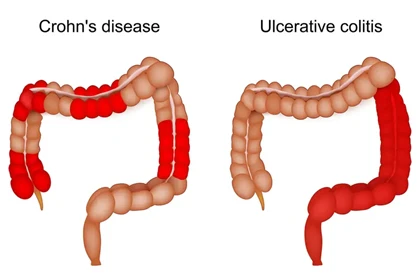
Ulcerative colitis is an autoimmune disease in which the immune system mistakenly attacks the lining of the colon and rectum, causing continuous inflammation and ulcer formation. Unlike Crohn’s disease, ulcerative colitis affects only the large intestine and rectum and involves only the inner lining of the bowel.
Children with ulcerative colitis usually experience periods of active disease (flare-ups) alternating with periods of remission.
What are the Symptoms of Ulcerative Colitis in Children?
Symptoms vary depending on the severity and extent of inflammation. Common signs include:
- Persistent diarrhea
- Blood and mucus in the stool
- Abdominal pain or cramping
- Urgent need to pass stool
- Frequent bowel movements
- Weight loss
- Poor appetite
- Fatigue
- Fever
- Delayed growth
- Delayed puberty
- Anemia
- Joint pain
- Skin rashes
Parents should seek medical evaluation if a child has persistent diarrhea, blood in the stool, abdominal pain, or unexplained weight loss.
What are the Causes of Ulcerative Colitis in Children?
The exact cause is not fully understood, but several factors contribute to the development of ulcerative colitis.
Autoimmune Response
The immune system mistakenly attacks healthy tissues of the colon, causing chronic inflammation.
Genetic Factors
Children with a family history of ulcerative colitis or inflammatory bowel disease have an increased risk.
Environmental Factors
Dietary factors, infections, environmental triggers, and changes in gut bacteria may contribute in genetically susceptible children.
Gut Microbiome Imbalance
Changes in the normal intestinal bacteria may influence the development of chronic intestinal inflammation.
Which Children are at Higher Risk?
Children at increased risk include:
- Children with a family history of ulcerative colitis
- Children with inflammatory bowel disease in the family
- Children with autoimmune disorders
- School-age children and adolescents
- Children with certain genetic risk factors
Types of Ulcerative Colitis in Children
Ulcerative Proctitis
Inflammation limited to the rectum.
Proctosigmoiditis
Affects the rectum and sigmoid colon.
Left-Sided Colitis
Inflammation extends from the rectum through the left side of the colon.
Pancolitis
Inflammation involving the entire colon.
How is Ulcerative Colitis Diagnosed?
Doctors diagnose ulcerative colitis through medical history, physical examination, laboratory tests, endoscopy, and imaging studies.
Diagnostic investigations may include:
- Physical examination
- Blood tests
- Stool examination
- Colonoscopy with biopsy
- Upper gastrointestinal endoscopy in selected cases
- MRI or CT scan when complications are suspected
- Fecal calprotectin testing
These investigations help confirm the diagnosis, determine disease severity, and rule out infections.
Treatment for Ulcerative Colitis in Children
Medical Treatment
Treatment aims to control inflammation, induce remission, prevent flare-ups, and support healthy growth. Depending on disease severity, treatment may include aminosalicylates (5-ASA), corticosteroids, immunomodulators, biologic therapies, and newer targeted medicines prescribed by a pediatric gastroenterologist.
Nutritional Support
Children with ulcerative colitis require a balanced, nutrient-rich diet to support growth and correct nutritional deficiencies. Iron, calcium, vitamin D, and other supplements may be recommended when necessary.
Surgical Treatment
Children with severe disease, uncontrolled bleeding, toxic megacolon, or those who do not respond to medical therapy may require surgical removal of the colon (colectomy).
Homeopathic Treatment
Homeopathy focuses on supporting digestive health, improving overall wellbeing, and providing individualized supportive care for children with chronic gastrointestinal disorders. At Dr. Sanjay’s Homoeopathy, treatment is individualized according to the child’s digestive symptoms, nutritional status, immune health, emotional wellbeing, growth, and constitutional profile. The clinic follows a holistic approach designed to complement pediatric gastroenterology care. Homeopathy should not replace prescribed medications, biologic therapies, nutritional treatment, or surgery when medically indicated.
Homeopathic Remedies for Ulcerative Colitis in Children
Homeopathic medicines are prescribed individually after a detailed assessment.
Arsenicum Album
Often considered for diarrhea associated with weakness, abdominal burning, and digestive disturbances.
Mercurius Corrosivus
May be recommended for bloody diarrhea and inflammatory bowel symptoms under individualized homeopathic care.
Aloe Socotrina
Commonly considered for bowel urgency and loose stools.
Nux Vomica
May be used for digestive complaints according to the child’s constitutional profile.
Podophyllum Peltatum
Sometimes prescribed for profuse diarrhea under professional supervision.
Homeopathic treatment should always be supervised by a qualified physician and should complement evidence-based pediatric gastroenterology care.
Complications of Untreated Ulcerative Colitis
Without proper treatment, ulcerative colitis may lead to:
- Severe dehydration
- Malnutrition
- Iron deficiency anemia
- Poor growth
- Delayed puberty
- Severe intestinal bleeding
- Toxic megacolon
- Colon perforation
- Increased risk of colorectal cancer later in life
- Reduced quality of life
Early diagnosis and long-term treatment significantly reduce these risks.
How Can Parents Help Manage Ulcerative Colitis?
Parents can support their child by:
- Following the prescribed treatment plan
- Providing a balanced, nutritious diet
- Monitoring weight and growth regularly
- Ensuring medications are taken consistently
- Keeping regular appointments with the pediatric gastroenterologist
- Encouraging stress management
- Seeking prompt medical care during disease flare-ups
Frequently Asked Questions (FAQs)
What is ulcerative colitis in children?
Ulcerative colitis is a chronic inflammatory bowel disease that causes inflammation and ulcers in the inner lining of the colon and rectum.
Is ulcerative colitis different from Crohn’s disease?
Yes. Ulcerative colitis affects only the colon and rectum, while Crohn’s disease can affect any part of the digestive tract and often involves the full thickness of the bowel wall.
Can ulcerative colitis affect a child’s growth?
Yes. Chronic inflammation and poor nutrition can lead to poor growth, weight loss, delayed puberty, and nutritional deficiencies if not properly managed.
Can homeopathy help children with ulcerative colitis?
Homeopathy may provide supportive care for digestive health and overall wellbeing as part of a comprehensive treatment plan alongside pediatric gastroenterology care.
When should parents seek medical attention?
Parents should consult a doctor if the child has persistent diarrhea, blood in the stool, severe abdominal pain, unexplained weight loss, fever, dehydration, or signs of a disease flare-up.
Why choose Dr. Sanjay’s Homoeopathy for Ulcerative Colitis Treatment in Children in Lucknow, India?
At Dr. Sanjay’s Homoeopathy, children with chronic digestive disorders receive advanced and holistic homeopathic supportive care under the expert guidance of Dr. Sanjay Singh, MD (Homoeopathy), who has over 22 years of experience in treating pediatric chronic health conditions naturally. The clinic is trusted by families from Lucknow, across India, and internationally for its individualized treatment plans, detailed child evaluations, and compassionate care. Every child is assessed according to digestive symptoms, nutritional status, immune health, growth pattern, emotional wellbeing, and constitutional profile to provide personalized supportive care aimed at promoting overall health naturally. Dr. Sanjay’s Homoeopathy also strongly encourages regular follow-up with pediatric gastroenterologists and adherence to evidence-based medical treatment for effective long-term disease control.