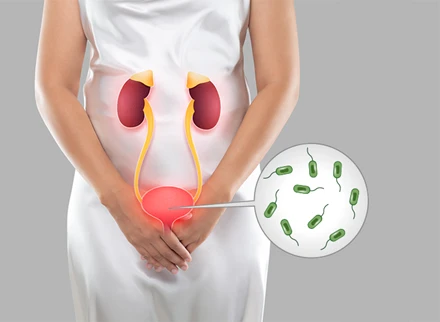
A urinary tract infection, commonly called a UTI, can cause burning while passing urine, a frequent urge to urinate, lower abdominal discomfort, or changes in urine. Sometimes the symptoms are mild, but a urinary infection can become more serious if it spreads to the kidneys.
UTIs can affect different parts of the urinary system, including the bladder, urethra, ureters, and kidneys. Getting the right diagnosis and treatment is important, especially when symptoms are severe or keep coming back.
What is a Urinary Tract Infection (UTI)?
A Urinary Tract Infection (UTI) occurs when microorganisms, most commonly bacteria, infect a part of the urinary tract.
A UTI may affect:
- Urethra – the tube that carries urine out of the body
- Bladder – where urine is stored
- Ureters – tubes that carry urine from the kidneys to the bladder
- Kidneys – organs that filter the blood and produce urine
Most UTIs affect the bladder and lower urinary tract. When an infection reaches the kidneys, symptoms can become more serious.
What are the Symptoms of UTI?
The symptoms can vary depending on which part of the urinary tract is affected.
Common symptoms include:
- Burning or pain while urinating
- Frequent urge to urinate
- Passing small amounts of urine frequently
- Feeling that the bladder has not emptied completely
- Lower abdominal pain or pressure
- Strong-smelling urine
- Cloudy urine
- Blood in the urine
- Urinary urgency
A kidney infection may cause additional symptoms such as:
- Fever
- Chills
- Pain in the back or side
- Nausea
- Vomiting
- Feeling very unwell
Fever, chills, vomiting, or pain in the back or side should be evaluated promptly.
What are the Causes of Urinary Tract Infection?
UTIs usually occur when bacteria enter the urinary tract and multiply.
Factors that may increase the risk include:
- Incomplete emptying of the bladder
- Urinary blockage
- Kidney or bladder stones
- Certain urinary tract abnormalities
- Sexual activity
- Use of urinary catheters
- Diabetes
- Pregnancy
- Previous UTIs
- Enlarged prostate
- Poor bladder habits
Not everyone with these factors will develop a UTI.
Types of UTI
UTIs can be described according to the area affected.
Urethritis
An infection of the urethra may cause burning or discomfort while passing urine.
Cystitis
Cystitis is an infection or inflammation of the bladder. Frequent urination, urgency, burning, and lower abdominal discomfort are common symptoms.
Ureter Infection
Infections involving the ureters are less common and may occur along with infection elsewhere in the urinary system.
Pyelonephritis
A kidney infection, known as pyelonephritis, can cause fever, chills, back or side pain, nausea, and vomiting. It requires prompt medical attention.
Who is More Likely to Develop a UTI?
UTIs can occur in anyone, but certain situations can increase the risk.
These include:
- Previous urinary infections
- Diabetes
- Kidney or bladder stones
- Urinary tract blockage
- Problems emptying the bladder
- Catheter use
- Pregnancy
- Certain urinary tract abnormalities
- Enlarged prostate
Recurrent UTIs may require further evaluation to identify an underlying reason.
How is UTI Diagnosed?
A doctor may ask about your symptoms and medical history before recommending tests.
Common investigations include:
- Urine routine examination
- Urine microscopy
- Urine culture
- Blood tests when necessary
- Ultrasound or other imaging when recurrent or complicated infection is suspected
A urine culture can help identify the bacteria causing an infection and determine which antibiotics are likely to work when antibiotic treatment is needed.
Treatment for Urinary Tract Infection
Treatment depends on the location and severity of the infection and the individual’s health.
Medical Treatment
Bacterial UTIs are commonly treated with appropriate antibiotics prescribed by a healthcare professional. The choice of medicine can depend on the suspected or confirmed bacteria, symptoms, previous infections, and other health factors.
Drinking enough fluids can help maintain hydration, but fluids alone should not be relied upon to treat a confirmed bacterial infection.
If there is a kidney infection, severe infection, urinary blockage, or another complication, more intensive medical treatment may be required.
Lifestyle and Daily Measures
Some simple habits can support urinary health:
- Drink enough water
- Do not hold urine for long periods
- Empty the bladder fully when possible
- Maintain good personal hygiene
- Avoid unnecessary use of urinary catheters
- Manage diabetes properly
- Follow medical advice if you have recurrent UTIs
These measures may help reduce risk but cannot guarantee that an infection will not occur.
Homeopathic Treatment for UTI
At Dr. Sanjay’s Homoeopathy, homeopathic treatment for urinary symptoms is planned after understanding the individual’s symptoms, urinary pattern, medical history, and overall health.
For symptoms suggesting an active bacterial UTI, particularly when there is fever, blood in urine, vomiting, or back/side pain, timely medical evaluation is important. Homeopathic consultation should not delay appropriate treatment of a serious urinary infection.
Homeopathic Remedies for UTI
In homeopathic practice, medicines are selected according to the person’s particular symptoms. Some remedies traditionally considered include:
Cantharis: Commonly considered when there is intense burning during urination, frequent urges, and marked urinary discomfort.
Apis Mellifica: May be considered when urination is associated with burning, stinging, and bladder discomfort.
Sarsaparilla: Traditionally considered when there is painful urination, particularly when discomfort is prominent toward the end of urination.
Berberis Vulgaris: May be considered when urinary complaints are associated with pain that may extend toward the back, sides, or other areas.
Equisetum: Traditionally used in homeopathic practice for urinary urgency, frequency, and bladder discomfort.
Staphysagria: Sometimes considered in recurrent urinary complaints, depending on the individual’s symptom pattern.
The selection of a homeopathic medicine depends on the individual case and should be made by a qualified practitioner.
Recurrent UTI
Some people experience UTIs repeatedly. Recurrent infections should not simply be treated again and again without understanding why they are happening.
Possible contributing factors include:
- Kidney Stone or bladder stones
- Problems emptying the bladder
- Urinary tract abnormalities
- Diabetes
- Certain prostate problems
- Repeated exposure to infection-causing bacteria
A doctor may recommend additional tests when infections keep returning.
How Can You Prevent UTI?
You can take several simple steps to support urinary health:
- Drink adequate water
- Avoid holding urine for long periods
- Empty your bladder when you need to urinate
- Maintain good hygiene
- Follow treatment instructions carefully when an infection occurs
- Manage conditions such as diabetes
- Seek medical advice for repeated infections
When Should You See a Doctor?
Get medical attention promptly if you have:
- Fever with urinary symptoms
- Chills
- Pain in the back or side
- Vomiting
- Blood in the urine
- Severe abdominal or pelvic pain
- Difficulty passing urine
- Symptoms that are getting worse
- Repeated UTIs
These symptoms can indicate a more serious infection or another urinary problem.
Frequently Asked Questions (FAQs)
What are the first signs of a UTI?
Burning while urinating, frequent urination, urinary urgency, and lower abdominal discomfort are common early symptoms.
Can a UTI go away on its own?
Some mild urinary symptoms may improve, but a suspected bacterial UTI should not be ignored. Proper evaluation is especially important when symptoms are persistent or severe.
Is burning urine always caused by a UTI?
No. Burning while urinating can have other causes, including certain infections, irritation, stones, or other urinary conditions. Testing may be needed to determine the cause.
Can a UTI affect the kidneys?
Yes. An infection can spread from the bladder to the kidneys. Fever, chills, vomiting, and back or side pain can be warning signs of kidney involvement.
Can drinking water cure a UTI?
Drinking enough water helps prevent dehydration and supports normal urinary function, but water should not be considered a replacement for appropriate treatment of a confirmed bacterial infection.
Why do I keep getting UTIs?
Repeated infections can be related to factors such as urinary blockage, stones, difficulty emptying the bladder, diabetes, or urinary tract abnormalities. Recurrent UTIs may need further evaluation.
Can homeopathy help with UTI symptoms?
At Dr. Sanjay’s Homoeopathy, treatment is planned according to the individual’s urinary symptoms and health history. However, symptoms of an active or severe infection should be medically evaluated so that appropriate treatment is not delayed.
When is a UTI an emergency?
A UTI accompanied by high fever, chills, vomiting, severe back or side pain, confusion, or significant weakness needs urgent medical attention because the infection may have spread or become more serious.
Why Choose Dr. Sanjay’s Homoeopathy for UTI Treatment in Lucknow, India?
Dr. Sanjay’s Homoeopathy is a trusted clinic for Urinary Tract Infection (UTI) Treatment in Lucknow, India. With more than 22 years of experience, Dr. Sanjay Singh, MD (Homoeopathy) provides personalized homeopathic care for urinary complaints such as burning during urination, frequent urination, urinary urgency, and recurrent urinary symptoms. Treatment begins with understanding the patient’s symptoms, medical history, lifestyle, and individual health concerns. As an experienced homeopathic doctor in Lucknow, Dr. Sanjay Singh provides confidential consultation and patient-focused care in a comfortable environment. Patients from Lucknow and other parts of India choose Dr. Sanjay’s Homoeopathy for experienced care and personalized treatment.