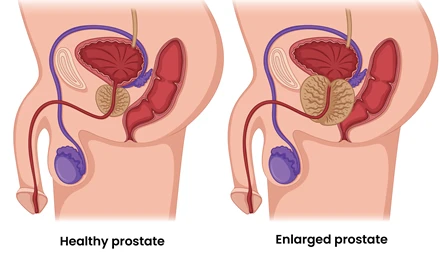
Benign Prostatic Hyperplasia (BPH), commonly known as an enlarged prostate, is a common condition in which the prostate gland gradually increases in size. Since the prostate surrounds part of the urethra, its enlargement can affect the normal flow of urine and lead to various urinary symptoms.
Symptoms may develop gradually and can include frequent urination, difficulty starting urination, a weak or interrupted urine stream, increased nighttime urination, and a feeling that the bladder has not emptied completely. Early evaluation and appropriate management can help reduce discomfort and support better urinary health.
What is Benign Prostatic Hyperplasia (BPH)?
Benign Prostatic Hyperplasia is a non-cancerous enlargement of the prostate gland. The prostate is located below the urinary bladder and surrounds the upper portion of the urethra.
As the prostate becomes enlarged, it may put pressure on the urethra and interfere with the normal passage of urine. The severity of symptoms does not always correspond directly to the size of the prostate, so proper evaluation is important.
BPH is different from prostate cancer, although urinary symptoms should always be properly evaluated to identify their underlying cause.
What are the Symptoms of Benign Prostatic Hyperplasia?
Common symptoms of an enlarged prostate may include:
- Frequent need to urinate
- Increased urination at night
- Difficulty starting urination
- Weak or slow urinary stream
- Urine flow that starts and stops
- Dribbling at the end of urination
- Feeling that the bladder has not completely emptied
- Sudden or urgent need to urinate
- Straining while passing urine
- Increased time needed to empty the bladder
Symptoms may gradually become more noticeable and can interfere with sleep, daily activities, and overall quality of life.
What Causes Benign Prostatic Hyperplasia?
The exact cause of BPH is not completely understood, but it is closely associated with age-related changes and hormonal influences.
Factors that may contribute to prostate enlargement include:
- Increasing age
- Changes in male sex hormones
- Family history of prostate problems
- Metabolic and lifestyle factors
- Certain medical conditions
BPH is not considered a form of prostate cancer, but persistent urinary symptoms should not be ignored.
Who is at Higher Risk of Benign Prostatic Hyperplasia?
The likelihood of developing an enlarged prostate increases with age. Risk may also be higher in people with:
- A family history of BPH
- Increasing age
- Obesity or metabolic problems
- Diabetes
- Cardiovascular conditions
- Sedentary lifestyle
Regular evaluation can be helpful when urinary symptoms begin or progressively worsen.
Types and Severity of Benign Prostatic Hyperplasia
BPH can be considered according to the severity and impact of urinary symptoms:
Mild BPH
Symptoms may be occasional and have limited impact on daily life.
Moderate BPH
Urinary frequency, weak stream, urgency, or nighttime urination may become more noticeable.
Severe BPH
Significant difficulty passing urine, incomplete bladder emptying, or urinary retention may occur and require prompt medical evaluation.
How is Benign Prostatic Hyperplasia Diagnosed?
Diagnosis usually begins with a detailed medical history and assessment of urinary symptoms.
Depending on the individual case, evaluation may include:
- Physical examination
- Digital rectal examination (DRE)
- Urine examination
- Blood tests
- Prostate-specific antigen (PSA) testing when appropriate
- Ultrasound of the prostate and urinary system
- Measurement of urine flow
- Assessment of post-void residual urine
- Other urological investigations when required
A proper evaluation helps distinguish BPH from other causes of urinary symptoms.
Treatment for Benign Prostatic Hyperplasia
Treatment depends on the severity of symptoms, prostate-related findings, bladder function, and overall health.
Medical Treatment
Depending on the situation, conventional treatment may include:
- Medicines that relax the prostate and bladder outlet
- Medicines that help reduce prostate size over time
- Combination medicines in selected cases
- Procedures or surgery when symptoms are severe or complications develop
Treatment should be selected after appropriate evaluation by a qualified healthcare professional.
Lifestyle and Dietary Measures
Certain lifestyle measures may help manage urinary symptoms:
- Reduce excessive fluid intake before bedtime
- Limit caffeine and other bladder irritants if they worsen symptoms
- Avoid excessive alcohol consumption
- Do not routinely hold urine for long periods
- Maintain a healthy body weight
- Stay physically active
- Manage diabetes and other associated health conditions
- Discuss medicines that may worsen urinary symptoms with a doctor
Homeopathic Treatment for Benign Prostatic Hyperplasia
Homeopathy takes an individualized approach to prostate-related urinary symptoms. The selection of a homeopathic medicine is based on the pattern of urinary complaints, frequency and urgency, urine flow, nighttime symptoms, bladder sensations, general health, lifestyle, and individual constitution.
At Dr. Sanjay’s Homoeopathy, treatment is personalized according to the patient’s complete symptom picture and overall health. The approach focuses on supporting better urinary function and long-term wellness through individualized homeopathic care.
Appropriate urological evaluation is recommended whenever symptoms are persistent, severe, or associated with complications.
Homeopathic Remedies for Benign Prostatic Hyperplasia
Homeopathic medicines are selected individually according to the patient’s symptoms and overall constitution. Some commonly considered remedies include:
Sabal Serrulata
Traditionally considered for prostate-related urinary complaints, particularly frequent urination, weak urinary stream, and difficulty emptying the bladder.
Chimaphila Umbellata
Often considered when there is difficulty initiating urination, straining, or a sensation of incomplete bladder emptying.
Thuja Occidentalis
Traditionally used when urinary symptoms occur along with frequent urination and a feeling of incomplete bladder evacuation.
Conium Maculatum
May be considered when there is progressive difficulty in starting urination, weak urinary flow, and urinary retention tendencies.
Baryta Carbonica
Traditionally considered in prostate-related urinary complaints associated with increasing age and difficulty initiating urination.
Lycopodium Clavatum
May be considered when there is frequent urination, difficulty with urine flow, and associated digestive or abdominal symptoms.
Apis Mellifica
Traditionally considered when urinary symptoms are accompanied by urgency, burning sensations, and sensitivity.
The appropriate remedy and potency depend on the individual’s complete symptom profile and should be selected by a qualified homeopathic practitioner.
Complications of Untreated Benign Prostatic Hyperplasia
When significant urinary obstruction is left unmanaged, complications may develop, such as:
- Acute or chronic urinary retention
- Recurrent urinary tract infections
- Bladder stones
- Bladder muscle changes
- Blood in the urine
- Kidney or urinary tract problems in severe cases
- Sleep disturbance due to frequent nighttime urination
Sudden inability to pass urine is an urgent medical situation and requires immediate medical attention.
How Can You Manage Benign Prostatic Hyperplasia?
Helpful measures include:
- Pay attention to changes in urinary habits
- Do not ignore persistent difficulty in passing urine
- Reduce fluids close to bedtime when nighttime urination is troublesome
- Limit caffeine if it increases urinary urgency or frequency
- Maintain regular physical activity
- Maintain a healthy weight
- Take prescribed medicines as directed
- Attend recommended prostate and urinary evaluations
- Seek medical attention if symptoms suddenly become severe
Frequently Asked Questions (FAQs)
What is Benign Prostatic Hyperplasia?
Benign Prostatic Hyperplasia, or BPH, is a non-cancerous enlargement of the prostate gland that can interfere with normal urine flow.
What are the common symptoms of an enlarged prostate?
Common symptoms include frequent urination, nighttime urination, weak urine flow, difficulty starting urination, urgency, dribbling, and incomplete bladder emptying.
Is an enlarged prostate the same as prostate cancer?
No. BPH is a non-cancerous enlargement of the prostate. However, urinary symptoms should be evaluated properly because different prostate and urinary conditions can cause similar complaints.
Can an enlarged prostate cause frequent nighttime urination?
Yes. BPH can contribute to increased nighttime urination, although other urinary, medical, and lifestyle factors can also cause this symptom.
Can BPH cause difficulty in passing urine?
Yes. Enlargement of the prostate can narrow the urethral passage and make it difficult to start or maintain urine flow.
Can homeopathy help with symptoms of an enlarged prostate?
Homeopathy offers an individualized approach to prostate-related urinary symptoms. Treatment is selected according to the patient’s specific symptoms, overall health, and individual constitution.
Which homeopathic remedies are commonly considered for BPH?
Remedies such as Sabal Serrulata, Chimaphila Umbellata, Conium Maculatum, Thuja Occidentalis, Baryta Carbonica, and Lycopodium may be considered depending on the individual symptom picture.
Is treatment necessary if BPH symptoms are mild?
Mild symptoms may sometimes be managed with monitoring and lifestyle measures, but regular evaluation can help identify progression and prevent complications.
When should I seek urgent medical care?
Immediate medical attention is required if there is a sudden inability to pass urine, severe lower abdominal pain, significant blood in the urine, fever with urinary symptoms, or other severe symptoms.
Where can I consult for homeopathic treatment for an enlarged prostate in Lucknow?
You can consult Dr. Sanjay’s Homoeopathy in Lucknow, India, for an individualized assessment and homeopathic treatment plan for prostate-related urinary complaints.
Why Choose Dr. Sanjay’s Homoeopathy for Benign Prostatic Hyperplasia Treatment in Lucknow, India?
Dr. Sanjay’s Homoeopathy is a trusted clinic for Benign Prostatic Hyperplasia (Enlarged Prostate) treatment in Lucknow, India. With more than 22 years of experience, Dr. Sanjay Singh, MD (Homoeopathy), provides personalized homeopathic treatment focused on managing common prostate-related symptoms such as frequent urination, difficulty starting urination, weak urine flow, increased nighttime urination, urinary urgency, and incomplete bladder emptying. As a leading homeopathic doctor in Lucknow, he follows an individualized approach based on the patient’s symptoms, health history, lifestyle, and overall constitution, with the aim of supporting better urinary function and long-term well-being. Patients from across India and around the world choose Dr. Sanjay’s Homoeopathy for its holistic approach, personalized care, experienced consultation, and compassionate treatment for conditions such as Benign Prostatic Hyperplasia and other urinary health concerns.