Introduction
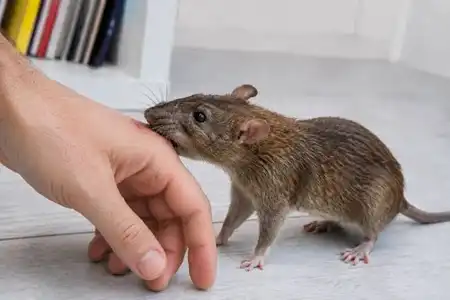
Rat-bite fever (RBF) is a bacterial infection that can spread to humans through contact with infected rodents, particularly rats. It may develop after a bite or scratch, contact with an infected animal’s saliva or urine, or exposure to contaminated materials. In some cases, infection can occur without a noticeable bite.
The condition may cause fever, chills, headache, muscle pain, joint pain, vomiting, and skin rashes. Symptoms can develop several days after exposure, sometimes when the original wound has already healed.
Although rat-bite fever is uncommon, it can become serious if left untreated. Early recognition, prompt medical evaluation, and appropriate antibiotics are essential to prevent complications affecting the joints, heart, kidneys, liver, and other organs.
What is Rat-Bite Fever?
Rat-bite fever is a zoonotic bacterial infection, meaning it can spread from animals to humans. It is primarily associated with two bacteria: Streptobacillus moniliformis and Spirillum minus.
The infection may affect several parts of the body rather than remaining limited to the bite wound. Some people develop fever and a rash, while others experience significant joint inflammation or complications involving internal organs.
The bite itself may heal quickly and show little inflammation, so the absence of an obvious wound does not rule out infection.
Rat-bite fever requires medical assessment because its early symptoms can resemble those of other infections. Appropriate antibiotic treatment is important even when the original injury appears minor.
Symptoms of Rat-Bite Fever
Symptoms vary depending on the bacteria responsible, the route of infection, and the individual’s overall health.
Common symptoms include:
- Fever: A sudden rise in body temperature, sometimes accompanied by chills.
- Headache: Persistent or severe headache may develop during the illness.
- Muscle pain: Aching muscles and general body discomfort.
- Joint pain: Pain, swelling, or inflammation affecting one or more joints.
- Skin rash: Red, purple, or reddish-brown spots or bumps may appear, often on the hands and feet.
- Nausea and vomiting: Digestive symptoms may accompany the fever.
- Fatigue: Weakness, tiredness, and a general feeling of being unwell.
- Swelling around joints: Some individuals develop painful or inflamed joints.
- Changes at the bite site: An ulcer or sore may develop, particularly in some forms of the infection.
- Swollen lymph nodes: Enlarged lymph nodes may occur, especially with certain presentations of rat-bite fever.
Symptoms may begin approximately 3–10 days after exposure to Streptobacillus moniliformis, although onset can be delayed. Infection caused by Spirillum minus may take around 7–21 days to produce symptoms.
Important: If you develop fever, rash, vomiting, or joint pain after contact with a rat or another rodent, seek medical care immediately and explain the exposure to the healthcare professional.
Causes of Rat-Bite Fever
Rat-bite fever is caused by bacteria carried by rodents and transmitted to humans through several possible routes.
1. Rat Bites
A bite from an infected rat can introduce bacteria through broken skin. Even a small puncture wound may provide a route for infection.
2. Rat Scratches
Scratches can break the skin and allow bacteria to enter the body, particularly if the animal’s claws are contaminated with infected secretions.
3. Contact With Rodent Saliva
Bacteria may be present in a rodent’s oral secretions. Contact between contaminated saliva and broken skin or mucous membranes may result in infection.
4. Contact With Rodent Urine
Exposure to infected rodent urine may transmit the bacteria, depending on the circumstances of contact.
5. Contaminated Food or Water
Rat-bite fever can also occur after consuming food or beverages contaminated with the bacteria. This type of exposure is associated with a presentation sometimes called Haverhill fever.
6. Contact With Contaminated Materials
Handling contaminated bedding, cages, or other materials may create an exposure risk, especially when the material comes into contact with broken skin or mucous membranes.
7. Contact With Other Rodents
Although rats are the main animals associated with the infection, other rodents, including mice, gerbils, and guinea pigs, may carry bacteria capable of causing rat-bite fever.
The animal may appear healthy, so its appearance alone cannot determine whether it carries the bacteria.
Types of Rat-Bite Fever
Rat-bite fever is commonly classified according to the bacteria responsible.
1. Streptobacillary Rat-Bite Fever
This form is caused by Streptobacillus moniliformis and is the form commonly described in North America.
Symptoms may include sudden fever, chills, headache, muscle pain, nausea, vomiting, joint pain, and a rash that often affects the extremities, including the palms and soles.
Joint pain and inflammation can become prominent during the illness.
2. Spirillary Rat-Bite Fever
This form is caused by Spirillum minus and is more commonly associated with cases reported in Asia. It is also known as sodoku.
Symptoms may include recurrent fever, a sore or ulcer at the bite site, skin rash, and enlarged lymph nodes near the affected area. The wound may appear to heal before symptoms develop.
3. Haverhill Fever
Haverhill fever is a form of infection caused by Streptobacillus moniliformis associated with ingestion of contaminated food or water rather than a direct bite.
It may cause fever, chills, headache, vomiting, muscle pain, joint symptoms, and sometimes inflammation of the throat.
The symptoms of these forms can overlap with other infections. Medical evaluation and appropriate testing help guide diagnosis and treatment.
Risk Factors for Rat-Bite Fever
Certain circumstances may increase the likelihood of exposure to the bacteria responsible for rat-bite fever.
Risk factors include:
- Being bitten or scratched by a rat or another potentially infected rodent.
- Keeping pet rats or other rodents.
- Working in pet shops, animal facilities, or research laboratories.
- Handling rodents or their cages and bedding.
- Living or working in an area with a rodent infestation.
- Eating food or drinking water contaminated by rodents.
- Cleaning rodent-contaminated areas without appropriate precautions.
Anyone can develop rat-bite fever following a relevant exposure. Children and people who regularly handle rodents may have more opportunities for contact.
Diagnosis of Rat-Bite Fever
Rat-bite fever can be difficult to recognize because its symptoms resemble those of several other infections. Diagnosis involves evaluating symptoms, exposure history, and appropriate laboratory investigations.
1. Medical History
The healthcare professional may ask about recent rat bites, scratches, rodent handling, contaminated food or water, and the timing of symptoms.
Mentioning rodent exposure is particularly important, even if the wound has already healed.
2. Physical Examination
The examination may include checking body temperature, skin rashes, joints, lymph nodes, the bite site, and signs of possible complications.
The healthcare professional may also assess for symptoms involving the heart, lungs, abdomen, or nervous system.
3. Blood Tests
Blood tests may help assess inflammation, blood-cell changes, and signs of infection. Depending on the suspected form of rat-bite fever, blood samples may be collected for bacterial culture.
4. Testing Joint Fluid or Other Samples
If joint inflammation or another complication is present, a sample of joint fluid, tissue, or another relevant body fluid may be collected for testing.
The appropriate specimen depends on the clinical presentation and suspected organism.
5. Specialized Laboratory Testing
Streptobacillus moniliformis can be difficult to grow in routine laboratory conditions. Spirillum minus is not readily cultured using standard artificial media, so specialized diagnostic methods may be required.
The healthcare professional may consult a specialist laboratory when necessary.
6. Evaluation for Complications
If severe symptoms suggest infection of the heart, joints, kidneys, liver, or nervous system, additional investigations may be required.
Because untreated rat-bite fever can progress rapidly, medical treatment should not be delayed while waiting for every test result when the infection is strongly suspected.
Treatment for Rat-Bite Fever
Rat-bite fever requires prompt medical treatment. Antibiotics are the main treatment, and home remedies or homeopathy cannot replace them.
1. Antibiotic Treatment
Healthcare professionals generally treat rat-bite fever with appropriate antibiotics, often from the penicillin family. Other antibiotics may be selected according to the suspected organism, allergy history, disease severity, and clinical circumstances.
The specific antibiotic, dose, route, and duration must be determined by the treating clinician.
2. Treatment in Hospital
People with severe infection or suspected complications may require hospital admission and intravenous antibiotics.
Treatment may be more intensive when the infection affects the heart, joints, kidneys, liver, or other organs.
3. Management of Complications
Complications such as septic arthritis, infection of the heart lining or valves, meningitis, or internal abscesses may require additional specialist treatment.
The care plan depends on which organs are affected and the severity of the illness.
4. Wound Care After a Rat Bite
If a rat has bitten or scratched you, wash the wound thoroughly with soap and running water, cover it with a clean dressing, and seek prompt medical advice.
A healthcare professional can assess the need for wound care, tetanus vaccination, and other preventive measures. Rabies assessment may also be appropriate depending on the animal and local public-health guidance.
Do not wait for symptoms to appear before seeking advice about a significant bite or scratch.
5. Complete the Prescribed Treatment
Take antibiotics exactly as prescribed and complete the recommended course unless your treating clinician instructs you otherwise.
Do not stop treatment because you feel better, and do not use leftover antibiotics without medical guidance.
6. Follow-Up Care
Follow-up may be necessary to confirm recovery and monitor for persistent fever, joint symptoms, or other complications.
Seek immediate reassessment if symptoms worsen or new symptoms develop during treatment.
Homeopathic Treatment for Rat-Bite Fever
People may seek homeopathic consultation when looking for support with their general health. However, rat-bite fever is a potentially serious bacterial infection that requires prompt medical assessment and appropriate antibiotic treatment.
At Dr. Sanjay’s Homoeopathy, a consultation with Dr. Sanjay Singh, MD (Homoeopathy), should never delay emergency evaluation or evidence-based treatment for a suspected bacterial infection. If someone chooses to seek complementary care, it must remain separate from and must not interfere with the medical treatment prescribed for rat-bite fever.
Prevention of Rat-Bite Fever
Preventive measures focus on reducing contact with rodents and avoiding exposure to contaminated materials.
1. Avoid Handling Wild Rodents
Do not touch wild rats, mice, or other rodents with bare hands. Avoid contact with sick or dead rodents and seek appropriate pest-control assistance when necessary.
2. Use Protective Equipment
People who work with rodents should follow workplace safety guidance and use appropriate gloves and other protective equipment when handling animals or cleaning cages.
3. Wash Your Hands
Wash your hands thoroughly with soap and water after handling pet rodents, cages, bedding, or other potentially contaminated materials.
4. Keep Rodent Areas Clean
Clean and maintain pet enclosures according to appropriate hygiene guidance. Avoid practices that spread contaminated dust or material into the air.
5. Prevent Rodent Infestations
Store food in sealed containers, dispose of waste properly, and seal entry points that allow rodents into homes or workplaces.
6. Protect Food and Water
Keep food and drinking water covered and protected from rodent contamination. Discard food that may have been contaminated by rodents.
7. Handle Pet Rodents Carefully
Even apparently healthy pet rodents may carry bacteria. Avoid bites and scratches, supervise young children around rodents, and wash hands after contact.
8. Seek Medical Advice After a Bite or Scratch
Clean the wound promptly and contact a healthcare professional for assessment. If fever, rash, joint pain, or vomiting develops afterward, seek urgent medical care and mention the exposure.
When to See a Doctor for Rat-Bite Fever
Seek prompt medical evaluation if you have had contact with a rat or another rodent and develop any of the following symptoms:
- Fever or chills.
- Headache or muscle pain.
- Joint pain, swelling, or redness.
- A rash, particularly on the hands or feet.
- Nausea or vomiting.
- An ulcer or sore at the bite site.
- Swollen lymph nodes.
- Worsening redness, swelling, or pain around a bite or scratch.
Seek emergency medical care if you experience severe illness, confusion, difficulty breathing, chest pain, fainting, or severe headache with neck stiffness.
Do not assume that a healed bite means the risk of infection has passed. Symptoms may develop after the wound has closed.
Frequently Asked Questions About Rat-Bite Fever
What is rat-bite fever?
Rat-bite fever is a bacterial infection that can spread to humans through bites, scratches, contact with infected rodent secretions, or contaminated food and water. It may cause fever, rash, muscle pain, and joint inflammation.
What causes rat-bite fever?
The infection is primarily caused by Streptobacillus moniliformis and Spirillum minus. Both bacteria are associated with rodents and can infect humans through certain types of exposure.
What are the first symptoms of rat-bite fever?
Early symptoms may include fever, chills, headache, muscle pain, nausea, and vomiting. Joint pain and skin rash may develop as the illness progresses.
How long after a rat bite can symptoms appear?
Symptoms of Streptobacillus moniliformis infection commonly begin within 3–10 days, while symptoms of Spirillum minus infection may appear after 7–21 days. Timing varies, so a lack of immediate symptoms does not rule out infection.
Can rat-bite fever occur without a bite?
Yes. Infection may occur through scratches, contact with rodent saliva or urine, contaminated materials, or contaminated food and water. A known bite is not always present.
Is rat-bite fever dangerous?
It can be. Without appropriate treatment, the infection may cause serious complications involving the heart, joints, kidneys, liver, lungs, or nervous system. Prompt antibiotic treatment greatly improves the outlook.
How is rat-bite fever treated?
Rat-bite fever is treated with appropriate antibiotics prescribed by a healthcare professional. Severe cases may require hospital care and intravenous treatment.
Why choose Dr. Sanjay’s Homoeopathy for Rat-Bite Fever Treatment in Lucknow, India?
Dr. Sanjay’s Homoeopathy is a trusted Homeopathy clinic for Rat-Bite Fever Treatment in Lucknow, India with Dr. Sanjay Singh, MD (Homoeopathy), who has more than 22 years of experience in homeopathic practice. Consultations may involve discussing a person’s symptoms, medical history, lifestyle, and individual health concerns to understand their needs. Patients from across the world take consultation with Dr. Sanjay Singh for Rat-Bite Fever Homeopathic Treatment.