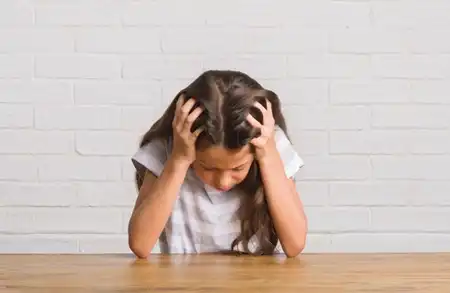
Migraines in children are a neurological condition that causes repeated episodes of moderate to severe headaches, often affecting daily activities, school performance, sleep, and overall well-being. Unlike normal headaches, pediatric migraines may be associated with nausea, vomiting, dizziness, sensitivity to light or sound, and abdominal discomfort. Migraine attacks in children can last from a few hours to even a full day and may occur occasionally or repeatedly. Early diagnosis and proper treatment are important to reduce the frequency and severity of migraine episodes and improve the child’s quality of life.
What is Pediatric Migraine?
Pediatric migraine is a type of recurring headache disorder caused by abnormal activity in the brain that affects nerve signals, blood vessels, and brain chemicals. In children, migraines may sometimes occur without severe headache and instead present with stomach pain, vomiting, dizziness, or visual disturbances.
Migraine symptoms in children may differ from those in adults and can affect both sides of the head.
Symptoms of Migraine in Children
The symptoms of pediatric migraine can vary from child to child. Common symptoms include:
- Moderate to severe headache
- Throbbing or pulsating head pain
- Nausea or vomiting
- Sensitivity to light or sound
- Dizziness or weakness
- Abdominal pain
- Blurred vision or visual disturbances
- Irritability or mood changes
- Difficulty concentrating
- Fatigue or sleepiness after headache episodes
Some children may experience warning signs called aura before a migraine attack.
Causes of Migraine in Children
Migraines in children may occur due to several factors, including:
- Family history of migraine
- Stress or anxiety
- Lack of sleep
- Irregular eating habits
- Dehydration
- Excess screen time
- Hormonal changes in older children
- Bright lights or loud sounds
- Certain foods or food additives
- Weather changes
In many children, migraines may be triggered by a combination of factors.
Which Children are at Higher Risk?
Some children are more likely to develop migraines, including:
- Children with a family history of migraine
- Children under emotional stress
- Children with sleep disturbances
- Children with anxiety or sensitivity to sensory stimuli
Types of Migraine in Children
Migraine Without Aura
The child experiences headache along with nausea, sensitivity to light, or vomiting without warning signs.
Migraine With Aura
Migraine attacks are preceded by visual disturbances, flashing lights, tingling sensations, or temporary vision problems.
Abdominal Migraine
Children may experience repeated abdominal pain, nausea, and vomiting without significant headache.
Vestibular Migraine
This type mainly causes dizziness, balance problems, and motion sensitivity.
How is Pediatric Migraine Diagnosed?
Doctors diagnose migraine based on symptoms, medical history, and physical examination.
Additional tests may include:
- Neurological examination
- Vision assessment
- MRI or CT scan in specific cases
- Blood tests, if required
These tests help rule out other medical conditions.
Treatment for Migraine in Children
Lifestyle and Trigger Management
Children are advised to maintain regular sleep, healthy eating habits, hydration, stress management, and reduced screen time to prevent migraine attacks.
Homeopathic Treatment
Homeopathy focuses on improving neurological balance, reducing headache frequency, and supporting the child’s overall health naturally. At Dr. Sanjay’s Homoeopathy, treatment is individualized according to the child’s headache pattern, triggers, emotional health, digestion, sleep quality, and constitutional condition. The clinic follows a holistic and child-friendly treatment approach aimed at improving long-term wellness naturally.
Medical Treatment
Some children may require medicines to control severe migraine attacks or reduce headache frequency under medical supervision.
Supportive Care
Adequate rest, hydration, stress reduction, and a calm environment may help relieve migraine symptoms.
Migraine Homeopathic Remedies for Children
Homeopathic remedies are selected individually according to the child’s symptoms and constitutional health.
Belladonna
Often considered for sudden throbbing headaches with sensitivity to light and heat.
Iris Versicolor
May help migraines associated with nausea, vomiting, and acidity.
Gelsemium
Commonly used for headaches associated with weakness, dizziness, and heaviness.
Natrum Muriaticum
May be recommended for migraines triggered by stress, emotional factors, or sunlight.
Spigelia
Sometimes used for severe one-sided headaches with eye pain.
Homeopathic treatment should always be taken under the supervision of an experienced doctor.
Complications of Untreated Pediatric Migraine
If migraines are not managed properly, complications may include:
- Poor school performance
- Sleep disturbances
- Anxiety and emotional stress
- Reduced physical activity
- Frequent absenteeism from school
- Chronic headache patterns
Early diagnosis and treatment help improve the quality of life in children.
Frequently Asked Questions (FAQs)
Can children develop migraines?
Yes, migraines can affect children and may cause severe headaches, nausea, dizziness, and sensitivity to light or sound.
What triggers migraines in children?
Common triggers include stress, lack of sleep, dehydration, excessive screen time, irregular meals, and certain foods.
What are the symptoms of migraine in children?
Symptoms may include throbbing headache, nausea, vomiting, dizziness, abdominal pain, and sensitivity to light or sound.
Can homeopathy help in pediatric migraine?
Homeopathy helps support neurological balance, reduce headache frequency, and naturally improve overall well-being in children.
When should parents consult a doctor for migraine?
Parents should consult a doctor if headaches become frequent, severe, associated with vomiting, vision problems, dizziness, or affect the child’s daily activities.
Why Choose Dr. Sanjay’s Homoeopathy for Pediatric Migraine Treatment in Lucknow, India?
At Dr. Sanjay’s Homoeopathy, children with migraine receive advanced and holistic homeopathic care under the expert guidance of Dr. Sanjay Singh, MD (Homoeopathy), who has more than 22 years of experience in treating pediatric neurological and chronic disorders naturally. The clinic is trusted by parents from Lucknow, across India, and internationally for its detailed case evaluation, personalized treatment plans, and compassionate child care. Every child is carefully assessed according to headache triggers, emotional health, sleep patterns, digestion, immunity, and constitutional condition to provide individualized treatment focused on reducing migraine frequency naturally. Dr. Sanjay’s Homoeopathy combines classical homeopathic principles with modern medical understanding to provide safe, gentle, and non-invasive care aimed at improving the child’s long-term neurological and overall well-being.