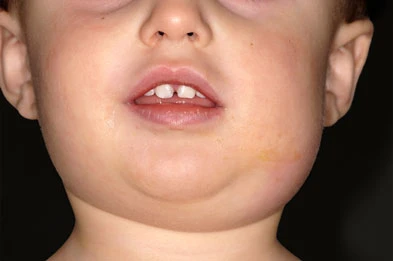
Mumps is a contagious viral infection that mainly affects the salivary glands. It is commonly recognized by painful swelling around the cheeks and jaw, especially below the ears. Fever, headache, tiredness, muscle aches, and reduced appetite may occur before the swelling starts.
Although mumps is often mild and many people recover completely, complications can occasionally occur. These may include inflammation of the testicles, ovaries, pancreas, brain, or the tissues around the brain and spinal cord, as well as hearing loss.
What is Mumps?
Mumps is a viral infection caused by the mumps virus, a type of paramyxovirus. It primarily affects the parotid glands, which are salivary glands located on either side of the face below and in front of the ears.
When these glands become inflamed, the cheeks can appear puffy and the area around the jaw may become swollen and painful. The swelling can occur on one side or both sides.
Some people may have very mild symptoms or no obvious symptoms at all.
What are the Symptoms of Mumps?
Mumps symptoms usually appear about 2 to 4 weeks after infection.
Common symptoms include:
- Swelling of one or both cheeks
- Painful or tender jaw
- Swelling below the ears
- Fever
- Headache
- Muscle aches
- Tiredness
- Loss of appetite
- Dry mouth
- Pain while chewing
- Pain while swallowing
- Difficulty opening the mouth
The swelling of the salivary glands generally becomes noticeable over a few days and then gradually improves.
Early Symptoms
Before the characteristic facial swelling develops, a person may experience:
- Mild fever
- Headache
- Muscle pain
- Weakness
- Tiredness
- Loss of appetite
These symptoms can sometimes look like those of an ordinary viral infection.
What are the Causes of Mumps?
Mumps is caused by the mumps virus.
The virus spreads from an infected person through respiratory droplets and saliva. It can spread when an infected person coughs, sneezes, talks, or shares objects that have saliva on them, such as cups or bottles.
A person with mumps can spread the infection from a few days before the salivary glands begin swelling until about five days after the swelling starts.
Is Mumps Contagious?
Yes. Mumps is highly contagious.
Close contact with an infected person can increase the chance of infection. Children and people living or spending a lot of time together can be particularly exposed during an outbreak.
If mumps is suspected, avoiding close contact with others and following medical advice about isolation can help reduce transmission.
Who Is More Likely to Develop Mumps?
Mumps can affect people of different ages. The risk may be higher among people who:
- Have not received recommended mumps vaccination
- Have incomplete vaccination
- Live or spend time in crowded settings
- Have close contact with an infected person
- Are exposed during a mumps outbreak
Vaccinated people can occasionally develop mumps, but vaccination reduces the risk of disease and complications.
Diagnosis of Mumps
A doctor may suspect mumps based on the characteristic swelling of the salivary glands along with other symptoms and exposure history.
Because other infections and swollen lymph nodes can sometimes look similar, laboratory testing may be recommended when mumps is suspected. Testing can help confirm the diagnosis.
Treatment for Mumps
There is no specific antiviral medicine routinely used to cure uncomplicated mumps. Treatment is generally focused on relieving symptoms and supporting recovery.
Depending on medical advice, supportive care may include:
- Adequate rest
- Drinking enough fluids
- Soft foods when chewing is painful
- Avoiding acidic foods and drinks if they increase salivary-gland pain
- Using appropriate pain or fever medicine recommended by a healthcare professional
- Avoiding close contact with others during the contagious period
Most people recover completely within about two weeks.
Antibiotics do not treat mumps itself because mumps is caused by a virus.
Homeopathic Treatment for Mumps
Some people seek homeopathic treatment for mumps to support comfort during symptoms such as fever, facial swelling, jaw tenderness, weakness, and difficulty eating.
Homeopathic care may be considered as a complementary approach based on the individual’s symptoms. However, suspected mumps should first be properly assessed, particularly when symptoms are severe or complications are suspected.
Homeopathy should not replace appropriate medical evaluation or urgent treatment when complications develop.
Homeopathic Remedies for Mumps
Depending on the symptom pattern, homeopathic practitioners may traditionally consider remedies such as:
- Belladonna – traditionally considered when swelling and tenderness develop suddenly with heat and redness.
- Mercurius Solubilis – traditionally associated with swollen and painful salivary glands along with mouth or throat symptoms.
- Phytolacca – traditionally considered when salivary-gland swelling is painful and chewing or swallowing is uncomfortable.
- Rhus Toxicodendron – traditionally considered in certain painful inflammatory conditions.
- Apis Mellifica – traditionally associated with swelling and sensitivity.
The choice of remedy should be made by a qualified homeopathic practitioner after reviewing the individual’s symptoms.
Complications of Mumps
Most cases are mild, but complications can occur.
Possible complications include:
- Orchitis: inflammation and swelling of the testicles
- Oophoritis: inflammation of the ovaries
- Mastitis: inflammation of breast tissue
- Pancreatitis: inflammation of the pancreas
- Meningitis
- Encephalitis
- Hearing loss
Some complications are more common after puberty, particularly orchitis in males.
Mumps and Testicular Swelling
Testicular swelling and pain can occur as a complication of mumps, particularly in males after puberty.
Sudden testicular pain or swelling during or after mumps requires medical assessment.
Mumps Prevention
Vaccination is the main way to prevent mumps. Mumps-containing vaccines are commonly given as part of the MMR vaccine, which protects against measles, mumps, and rubella.
Other precautions include:
- Avoid close contact with an infected person.
- Do not share drinking glasses, bottles, or eating utensils.
- Wash hands regularly.
- Cover your mouth when coughing or sneezing.
- Follow recommended isolation guidance if infected.
- Keep vaccinations up to date according to the recommended schedule.
When Should You See a Doctor?
Medical evaluation is recommended if you develop:
- Swelling around the jaw or below the ears
- Persistent fever
- Severe headache
- Difficulty swallowing
- Severe facial pain
- Testicular pain or swelling
- Severe abdominal pain
- Persistent vomiting
- Hearing changes
- Confusion or unusual drowsiness
- Seizures
- Difficulty breathing
Severe headache, confusion, seizures, significant abdominal pain, or sudden testicular swelling should not be ignored because they may indicate a complication.
Frequently Asked Questions
Is mumps a viral infection?
Yes. Mumps is a contagious viral infection that primarily affects the salivary glands.
What does mumps swelling look like?
Mumps commonly causes swelling around the cheeks and jaw, particularly below the ears. The swelling may occur on one or both sides.
Can mumps affect both sides of the face?
Yes. The parotid glands on both sides can become swollen, although swelling may initially appear on only one side.
How long does mumps last?
Most people recover completely within about two weeks, although the duration and severity can vary.
Can adults get mumps?
Yes. Mumps can occur in people of different ages. Some complications are more common after puberty.
Can mumps cause testicular swelling?
Yes. Orchitis, or inflammation of the testicles, is a recognized complication of mumps, particularly in males after puberty.
Can mumps be prevented?
Yes. Vaccination with a mumps-containing vaccine such as MMR is the main preventive measure.
Can homeopathy treat mumps?
Homeopathic care may be sought as complementary support for symptoms, but suspected mumps should receive appropriate medical assessment, especially when complications or severe symptoms are present.
Why choose Dr. Sanjay’s Homoeopathy for Mumps Treatment in Lucknow, India?
Dr. Sanjay’s Homoeopathy is a trusted clinic for Mumps Treatment in Lucknow, India. With more than 22 years of experience, Dr. Sanjay Singh, MD (Homoeopathy) provides personalized consultation for people experiencing facial swelling, painful salivary glands, fever, jaw discomfort, weakness, and other symptoms associated with mumps and related health concerns. Each consultation focuses on understanding the person’s symptoms, their duration and severity, daily routine, lifestyle, and overall health. As an experienced homeopathic doctor in Lucknow, Dr. Sanjay Singh provides confidential and patient-focused care in a comfortable environment. For suspected mumps, appropriate medical evaluation is also important to confirm the condition and identify any complications that may require additional care. Patients from across India and around the world choose Dr. Sanjay’s Homoeopathy for its holistic healing, long-lasting relief, and compassionate care for Mumps Treatment in Lucknow, India.