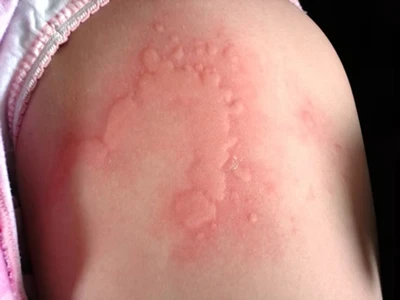
Hives, medically known as Urticaria, are raised, itchy, red or skin-colored welts that suddenly appear on a child’s skin. They can vary in size, change shape, and move from one area of the body to another within hours. Hives are usually caused by allergic reactions, infections, medications, insect bites, or physical triggers such as heat or cold. While most cases are mild and resolve within a few hours or days, severe hives associated with swelling of the lips, tongue, or difficulty breathing require immediate medical attention. Early diagnosis and appropriate treatment help relieve symptoms and prevent recurrence.
What is Hives (Urticaria) in Children?
Hives are a skin reaction that occurs when the body releases histamine and other inflammatory chemicals, causing swelling of the superficial layers of the skin. The raised patches, called wheals, are often intensely itchy and may appear anywhere on the body.
Hives may occur as a single episode (acute urticaria) or recur for more than six weeks (chronic urticaria).
What are the Symptoms of Hives (Urticaria) in Children?
Symptoms may appear suddenly and include:
- Raised red, pink, or skin-colored welts
- Severe itching
- Swelling of the skin
- Welts that change size or shape
- Rash that moves from one area to another
- Burning or stinging sensation
- Swelling of the lips, eyelids, hands, or feet (angioedema)
- Rash that disappears within 24 hours and reappears elsewhere
Seek emergency medical care immediately if the child develops difficulty breathing, swelling of the tongue or throat, dizziness, fainting, or symptoms of anaphylaxis.
What are the Causes of Hives (Urticaria) in Children?
Many different factors can trigger hives.
Allergic Reactions
Foods such as peanuts, eggs, milk, shellfish, or certain food additives may trigger hives in susceptible children.
Viral or Bacterial Infections
Common viral illnesses are one of the most frequent causes of acute hives in children.
Medications
Antibiotics, pain-relieving medicines, and some vaccines may occasionally trigger allergic skin reactions.
Insect Bites or Stings
Bee stings, mosquito bites, and other insect bites may cause localized or generalized hives.
Physical Triggers
Cold, heat, sunlight, pressure, exercise, or sweating may trigger hives in some children.
Unknown Causes
In many children, especially those with chronic urticaria, the exact cause cannot be identified.
Which Children are at Higher Risk?
Children at higher risk include:
- Children with food allergies
- Children with eczema or asthma
- Children with seasonal allergies
- Children with a family history of allergic disorders
- Children with autoimmune diseases
- Children with previous episodes of hives
Types of Hives in Children
Acute Urticaria
Lasts less than six weeks and is often caused by infections or allergic reactions.
Chronic Urticaria
Persists for more than six weeks and may recur frequently.
Physical Urticaria
Triggered by cold, heat, pressure, sunlight, vibration, or exercise.
Angioedema
A deeper form of swelling affecting the lips, eyelids, tongue, hands, feet, or throat.
How are Hives Diagnosed?
Doctors diagnose hives through medical history and physical examination.
Additional investigations may include:
- Physical examination
- Allergy history
- Blood tests when indicated
- Allergy testing
- Skin prick tests in selected cases
- Evaluation for autoimmune conditions in chronic urticaria
Many children with acute hives do not require extensive investigations.
Treatment for Hives (Urticaria) in Children
Medical Treatment
Treatment depends on the severity and underlying cause and may include:
- Oral antihistamines
- Corticosteroids for severe episodes (when prescribed)
- Treatment of underlying infections
- Avoidance of known allergy triggers
- Emergency adrenaline (epinephrine) for anaphylaxis when indicated
Lifestyle Measures
Parents should identify and avoid known triggers whenever possible and keep the child’s skin cool and comfortable.
Homeopathic Treatment
Homeopathy focuses on supporting skin health, strengthening immunity, and promoting overall wellbeing naturally in children with recurrent allergic skin conditions. At Dr. Sanjay’s Homoeopathy, treatment is individualized according to the child’s allergy history, skin symptoms, immunity, environmental triggers, and constitutional profile. The clinic follows a holistic approach designed to complement pediatric and allergy specialist care. Homeopathy should not replace emergency treatment for anaphylaxis, severe allergic reactions, or prescribed antihistamines when medically necessary.
Homeopathic Remedies for Hives in Children
Homeopathic medicines are prescribed individually after a detailed evaluation.
Urtica Urens
Often considered for itchy hives with burning sensations.
Apis Mellifica
May be recommended for swollen, red, stinging skin lesions.
Rhus Toxicodendron
Commonly considered for intensely itchy rashes with small blisters.
Natrum Muriaticum
May be prescribed according to the child’s constitutional profile and recurrent allergic tendencies.
Arsenicum Album
Sometimes considered for allergic skin reactions accompanied by burning discomfort and restlessness.
Homeopathic treatment should always be supervised by a qualified physician and should complement evidence-based allergy management.
Complications of Untreated Hives
Most cases resolve without complications, but severe allergic reactions may lead to:
- Recurrent episodes of hives
- Chronic urticaria
- Angioedema
- Sleep disturbances due to itching
- Secondary skin infection from excessive scratching
- Anaphylaxis (rare but life-threatening)
Early medical evaluation helps identify children at risk of severe allergic reactions.
How Can Parents Help Prevent Hives?
Parents can help by:
- Identifying and avoiding known allergy triggers
- Reading food labels carefully
- Avoiding unnecessary medications without medical advice
- Keeping the child’s skin cool during hot weather
- Managing allergies effectively
- Carrying emergency medication if prescribed for severe allergies
Frequently Asked Questions (FAQs)
What causes hives in children?
Hives are commonly caused by allergies, viral infections, medications, insect bites, or physical triggers such as heat, cold, or pressure.
Are hives contagious?
No. Hives themselves are not contagious, although some viral infections that trigger hives may spread to others.
When should parents seek emergency medical care?
Immediate medical attention is required if the child develops difficulty breathing, swelling of the lips, tongue, or throat, dizziness, or signs of anaphylaxis.
Can homeopathy help children with recurrent hives?
Homeopathy may provide supportive care for recurrent allergic skin conditions as part of a comprehensive treatment plan alongside appropriate medical and allergy care.
Can foods trigger hives?
Yes. Foods such as peanuts, eggs, milk, shellfish, tree nuts, and certain food additives may trigger hives in susceptible children.
Why Choose Dr. Sanjay’s Homoeopathy for Hives (Urticaria) Treatment in Children in Lucknow, India?
At Dr. Sanjay’s Homoeopathy, children with recurrent allergic skin disorders receive advanced and holistic homeopathic Treatment under the expert guidance of Dr. Sanjay Singh, MD (Homoeopathy), who has over 22 years of experience in treating pediatric allergic and chronic skin conditions naturally. The clinic is trusted by families from Lucknow, across India, and internationally for its individualized treatment plans, comprehensive child evaluations, and compassionate care. Every child is assessed according to allergy history, skin symptoms, immune health, environmental triggers, nutritional status, and constitutional profile to provide personalized supportive care aimed at promoting healthy skin and overall wellbeing naturally. Dr. Sanjay’s Homoeopathy also strongly recommends timely consultation with pediatricians or allergy specialists whenever severe allergic reactions or recurrent urticaria require specialized care.