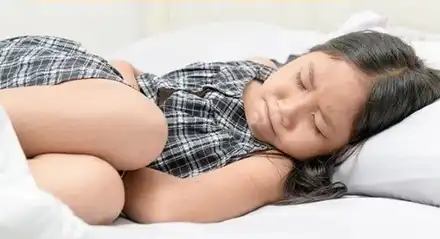
Kidney stones in children are hard deposits of minerals and salts that form inside the kidneys or urinary tract. Although kidney stones are more common in adults, they can also occur in children and may cause significant pain, urinary problems, and recurrent infections. The size of kidney stones can vary from tiny crystals to larger stones that block the flow of urine. Early diagnosis and proper treatment are important to relieve symptoms, prevent complications, and protect a child’s kidney health.
What are Kidney Stones in Children?
Kidney stones, also known as renal calculi, develop when certain minerals and substances in the urine become concentrated and form solid crystals. Over time, these crystals can join together and grow into stones.
Some small stones may pass naturally through the urine, while larger stones may require medical treatment or surgical intervention.
What are the Symptoms of Kidney Stones in Children?
The symptoms of kidney stones can vary depending on the size and location of the stone. Common symptoms include:
- Severe pain in the side, back, or lower abdomen
- Pain during urination
- Blood in the urine (hematuria)
- Frequent urge to urinate
- Nausea and vomiting
- Cloudy or foul-smelling urine
- Difficulty passing urine
- Fever if infection is present
- Restlessness due to pain
- Irritability in younger children
Parents should seek immediate medical attention if the child experiences severe pain, fever, vomiting, or difficulty urinating.
What are the Causes of Kidney Stones in Children?
Several factors can increase the risk of kidney stone formation in children, including:
- Inadequate water intake
- Family history of kidney stones
- High salt intake
- Certain metabolic disorders
- Urinary tract infections
- Excess calcium, oxalate, or uric acid in urine
- Obesity
- Congenital urinary tract abnormalities
Poor hydration is one of the most common risk factors for kidney stone development.
Which Children are at Higher Risk?
Some children may have a higher risk of kidney stones, including:
- Children with family history of kidney stones
- Children with recurrent urinary tract infections
- Children who drink less water
- Children with metabolic disorders
- Children with urinary tract abnormalities
Types of Kidney Stones in Children
Calcium Stones
The most common type, formed from calcium and oxalate or calcium phosphate.
Uric Acid Stones
Develop when urine becomes highly concentrated and acidic.
Struvite Stones
Often associated with urinary tract infections.
Cystine Stones
Rare stones caused by inherited metabolic disorders.
How are Kidney Stones Diagnosed in Children?
Doctors diagnose kidney stones through medical history, physical examination, and imaging tests.
Diagnostic tests may include:
- Urine examination
- Blood tests
- Ultrasound scan
- CT scan in selected cases
- Kidney function tests
These tests help determine the size, location, and type of stone.
Treatment for Kidney Stones in Children
Hydration and Observation
Small kidney stones may pass naturally with increased fluid intake and careful monitoring.
Medical Treatment
Medications may be prescribed to relieve pain, treat infection, or help pass the stone.
Homeopathic Treatment
Homeopathy focuses on supporting urinary health, improving kidney function, reducing stone-forming tendencies, and promoting overall well-being naturally. At Dr. Sanjay’s Homoeopathy, treatment is individualized according to the child’s urinary symptoms, kidney health, hydration habits, metabolic factors, and constitutional condition. The clinic follows a gentle and holistic approach aimed at supporting long-term urinary wellness naturally alongside proper medical care.
Surgical Treatment
Large stones or stones causing blockage may require procedures such as lithotripsy, endoscopic removal, or other specialized treatments.
Kidney Stones Homeopathic Remedies for Children
Homeopathic remedies are selected individually according to the child’s symptoms and constitutional condition.
Berberis Vulgaris
Often considered for kidney stone pain, urinary discomfort, and radiating pain.
Lycopodium
May help right-sided kidney stone symptoms and urinary disturbances.
Sarsaparilla
Commonly used for painful urination and urinary tract irritation.
Cantharis
May be recommended for burning urination and urinary inflammation.
Pareira Brava
Sometimes used for severe urinary difficulty and bladder discomfort associated with stones.
Homeopathic treatment should always be taken under the supervision of an experienced doctor and should not replace emergency medical treatment when urinary obstruction occurs.
Complications of Untreated Kidney Stones
Without proper treatment, kidney stones may lead to:
- Severe pain episodes
- Recurrent urinary tract infections
- Urinary blockage
- Kidney damage
- Reduced kidney function
- Chronic urinary problems
Early diagnosis and treatment help prevent these complications.
How Can Kidney Stones be Prevented in Children?
Parents can help reduce the risk by:
- Encouraging adequate water intake
- Limiting excessive salt consumption
- Providing a balanced diet
- Treating urinary infections promptly
- Following medical advice for metabolic disorders
- Encouraging regular physical activity
Frequently Asked Questions (FAQs)
Can children develop kidney stones?
Yes, although less common than in adults, kidney stones can occur in children and may cause pain, urinary symptoms, and infections.
What are the symptoms of kidney stones in children?
Common symptoms include abdominal or back pain, blood in urine, painful urination, nausea, vomiting, and frequent urination.
What causes kidney stones in children?
Causes include poor hydration, family history, metabolic disorders, urinary infections, and excessive mineral concentration in urine.
Can homeopathy help children with kidney stones?
Homeopathy may help support urinary health, reduce urinary discomfort, and promote overall kidney wellness naturally alongside proper medical care.
When should parents seek urgent medical attention?
Immediate medical care is needed if the child has severe pain, fever, vomiting, difficulty urinating, or signs of urinary blockage.
Why choose Dr. Sanjay’s Homoeopathy for Kidney Stones Treatment in Children in Lucknow, India?
At Dr. Sanjay’s Homoeopathy, children with kidney stones and urinary tract disorders receive advanced and holistic homeopathic care under the expert guidance of Dr. Sanjay Singh, MD (Homoeopathy), who has more than 22 years of experience in treating pediatric and chronic kidney-related conditions naturally. The clinic is trusted by parents from Lucknow, across India, and internationally for its personalized treatment approach, detailed child evaluation, and compassionate care. Every child is carefully assessed according to urinary symptoms, kidney health, hydration habits, dietary factors, and constitutional condition to provide individualized treatment aimed at supporting long-term urinary wellness naturally. Dr. Sanjay’s Homoeopathy combines classical homeopathic principles with modern medical understanding while also providing honest guidance regarding pediatric nephrology or urology consultation whenever necessary.