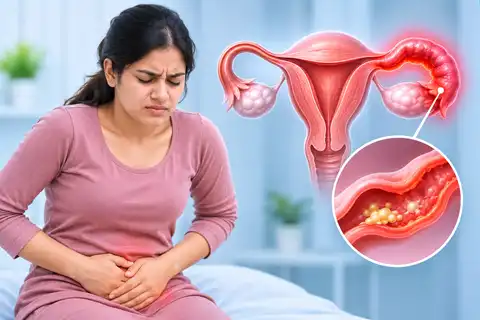
Quick answer: Salpingitis is an infection and inflammation of the fallopian tubes, most often caused by sexually transmitted bacteria such as chlamydia and gonorrhoea, and usually occurring as part of pelvic inflammatory disease (PID). It causes lower abdominal or pelvic pain, abnormal vaginal discharge, fever, and painful intercourse, though some women have mild or no symptoms. It needs prompt medical treatment with antibiotics, because untreated infection can damage the tubes and lead to infertility, ectopic pregnancy, and chronic pelvic pain.
Introduction
Salpingitis is inflammation of the fallopian tubes, the narrow tubes that carry eggs from the ovaries to the uterus. It is usually caused by an infection that travels upward from the vagina and cervix into the uterus and tubes.
Salpingitis is a form of pelvic inflammatory disease (PID), and the two terms are often used together. It is mainly a condition of women in their reproductive years, and it is more common in sexually active women under 25.
Salpingitis may be acute, with sudden pain and fever, or chronic, with ongoing or recurring mild symptoms. Because even mild infection can scar the tubes, early diagnosis and full treatment are very important for protecting future fertility. Salpingitis requires medical treatment. Delay in treatment increases the risk of lasting complications.
What is Salpingitis?
Salpingitis is an infection and inflammation of one or both fallopian tubes. The inflamed tubes may become swollen, red, and filled with fluid or pus. In some cases, infection spreads to the ovaries, uterus, and surrounding pelvic structures.
When the infection is not treated or is treated late, the tubes may become scarred or blocked. This can prevent an egg from reaching the uterus, or can trap a fertilised egg in the tube, causing an ectopic pregnancy.
Salpingitis can resemble other conditions, including appendicitis, ectopic pregnancy, ovarian cyst problems, endometriosis, urinary tract infection, and other causes of pelvic pain. A healthcare professional can help tell these apart, which is important because some, such as ectopic pregnancy and appendicitis, are emergencies.
What are the Symptoms of Salpingitis?
Symptoms vary. Some women have severe symptoms, while others have very mild or no symptoms, which can delay diagnosis.
Common symptoms include:
- Lower abdominal or pelvic pain: Pain on one or both sides of the lower abdomen, ranging from dull ache to severe pain.
- Abnormal vaginal discharge: Discharge that is increased, yellow or green, or has an unpleasant smell.
- Fever and chills: Particularly in acute infection.
- Pain during intercourse: Deep pain during or after sex.
- Pain or burning on urination: Or a frequent urge to pass urine.
- Irregular bleeding: Bleeding between periods, after sex, or heavier or longer periods.
- Painful periods: Worsening of period pain.
- Nausea and vomiting: In more severe cases.
- Lower back pain: Often with pelvic pain.
- Fatigue and general unwellness: Feeling tired and unwell.
- Difficulty becoming pregnant: Sometimes the first sign of past, unrecognised infection.
Severe abdominal pain, high fever, persistent vomiting, fainting, or a rigid, tender abdomen may indicate a serious infection or another emergency and needs immediate medical care.
What are the Causes of Salpingitis?
Salpingitis is usually caused by bacteria that ascend from the lower genital tract to the fallopian tubes.
- Sexually Transmitted Infections: Chlamydia and gonorrhoea are the most common causes. These infections may cause few symptoms, so they can go untreated and spread to the tubes.
- Other Bacteria: Bacteria that normally live in the vagina, including those involved in bacterial vaginosis, and other organisms can also cause infection of the tubes.
- Procedures Involving the Uterus: Infection can follow procedures such as insertion of an intrauterine device (IUD), abortion, miscarriage procedures, childbirth, dilatation and curettage, or other gynaecological procedures, particularly if infection is already present.
- Genital Tuberculosis: In some regions, including India, genital tuberculosis is an important cause of chronic salpingitis and infertility and may cause few symptoms.
- Spread from Nearby Infection: Infection from a ruptured appendix or other abdominal infection can sometimes spread to the tubes.
- Multiple Sexual Partners and Unprotected Sex: Having multiple partners, a new partner, or unprotected sex increases the chance of infection.
- Previous Pelvic Infection: Women who have had pelvic infection or salpingitis before are more likely to get it again.
Identifying the cause helps in choosing the right antibiotics and in treating partners to prevent reinfection.
Types of Salpingitis
- Acute Salpingitis: Sudden onset of pelvic pain, fever, and discharge, often with significant illness. It needs prompt treatment.
- Chronic Salpingitis: Long-lasting or recurring inflammation, often with mild or vague symptoms such as dull pelvic pain, painful periods, or infertility. It can follow an incompletely treated acute infection or develop gradually.
- Salpingitis Isthmica Nodosa: A less common form in which nodules develop in the tubes, which may be linked to infertility and ectopic pregnancy.
- Tuberculous Salpingitis: Caused by genital tuberculosis and often found in women being investigated for infertility.
- Hydrosalpinx and Pyosalpinx (Complications): Hydrosalpinx is a fluid-filled, blocked tube, and pyosalpinx is a tube filled with pus. Both are results of prolonged or severe infection.
Correct identification of the type helps guide treatment and fertility advice.
Risk Factors for Salpingitis
- Age under 25 and being sexually active.
- Unprotected sex or not using condoms consistently.
- Multiple sexual partners or a partner with multiple partners.
- A new sexual partner.
- A history of sexually transmitted infections or previous PID.
- Recent insertion of an IUD.
- Recent gynaecological procedures, abortion, or childbirth.
- Bacterial vaginosis.
- Douching, which can disturb the natural balance of vaginal bacteria.
- Exposure to genital tuberculosis.
Not everyone with these risk factors develops salpingitis. Prevention, early testing, and prompt treatment of infections lower the risk.
Diagnosis of Salpingitis
Diagnosis is made by a doctor, often a gynaecologist, based on symptoms, examination, and tests.
- Medical and Sexual History: The doctor asks about symptoms, menstrual history, sexual activity, contraception, previous infections, recent procedures, and pregnancy.
- Pelvic Examination: The doctor checks for tenderness in the lower abdomen, cervix, uterus, and tubes, and for discharge.
- Pregnancy Test: Done to rule out ectopic pregnancy, which can cause similar symptoms and is an emergency.
- Laboratory Tests: Swabs from the vagina and cervix are tested for chlamydia, gonorrhoea, and other infections. Blood and urine tests can show signs of infection.
- Ultrasound: A pelvic or transvaginal ultrasound can show swollen or fluid-filled tubes, an abscess, or other causes of pain.
- Laparoscopy: In unclear or severe cases, a small camera inserted through the abdomen allows the doctor to see the tubes directly and, if needed, treat problems.
- Tests for Chronic Cases and Infertility: Tests such as hysterosalpingography, or testing for genital tuberculosis, may be used to check the tubes in women with chronic symptoms or difficulty conceiving. These are done at a safe time, and not during acute infection.
Treatment for Salpingitis
Salpingitis is treated with antibiotics and needs medical supervision.
- Antibiotics: Treatment usually starts promptly with a combination of antibiotics that cover the likely bacteria, chosen by the doctor based on guidelines and test results. The full course must be completed, even if symptoms improve.
- Hospital Treatment for Severe Cases: Women who are very unwell, pregnant, unable to take tablets, or who have an abscess may need admission and intravenous antibiotics.
- Treating Sexual Partners: Partners should be tested and treated to prevent reinfection, even if they have no symptoms.
- Avoiding Sex During Treatment: Sexual intercourse should be avoided until treatment is completed and the doctor confirms it is safe.
- Pain Relief and Supportive Care: Rest, fluids, and appropriate pain relief help recovery. The doctor will advise on suitable medicines.
- IUD Review: If an IUD is in place, the doctor will advise whether it should be left in place or removed.
- Surgery: Surgery or drainage may be needed for a tubo-ovarian abscess, an abscess that does not respond to antibiotics, or a severely damaged tube.
- Treating Tuberculosis: If genital tuberculosis is the cause, a full course of anti-tuberculosis treatment under specialist supervision is required.
- Fertility Evaluation and Support: Women with scarring or blocked tubes may need fertility assessment, and options such as assisted reproduction may be discussed by a specialist.
- Follow-Up and Retesting: Follow-up checks confirm that the infection has cleared. Retesting is often advised after treatment for STIs.
Homeopathic Consultation for Salpingitis
Salpingitis is a bacterial infection that needs timely antibiotic treatment and medical follow-up. Delay in treatment can affect fertility and long-term health. Many women also look for additional support for comfort, recurring pelvic discomfort, menstrual complaints, stress, and general wellbeing while following their doctor’s treatment plan.
At Dr. Sanjay’s Homoeopathy, consultations with Dr. Sanjay Singh, MD (Homoeopathy), include a private, unhurried discussion of the symptom pattern, menstrual and reproductive history, previous infections and reports, current medicines, and lifestyle. The aim is to understand the person as a whole and offer individualized, supportive care alongside appropriate medical and gynaecological treatment. Women with symptoms of acute infection are advised to seek prompt medical evaluation first, and are never asked to stop or delay prescribed antibiotics or skip recommended tests.
Remedies Traditionally Used in Homeopathic Practice
In traditional homeopathic practice, some remedies have been associated with particular patterns of pelvic discomfort and menstrual or discharge complaints. These include:
- Sepia: Traditionally associated with a dragging, bearing-down sensation in the pelvis and hormonal-related complaints.
- Pulsatilla: Traditionally described for changeable symptoms, mild discharge, and emotional sensitivity.
- Belladonna: Traditionally associated with sudden, intense, throbbing pain with heat.
- Apis mellifica: Traditionally described for stinging, burning pain with swelling.
- Lachesis: Traditionally associated with left-sided pelvic complaints and sensitivity to pressure.
These descriptions reflect traditional homeopathic use. They are not a treatment for bacterial infection and do not replace antibiotics, hospital care, or specialist assessment. Remedies are chosen individually after consultation.
Lifestyle Tips for Preventing Salpingitis
- Practise Safe Sex: Use condoms consistently, particularly with new or multiple partners.
- Get Tested Regularly: Women who are sexually active, especially under 25 or with a new partner, should consider regular testing for sexually transmitted infections.
- Treat Infections Early: Seek medical advice promptly for unusual discharge, pelvic pain, or pain during sex, and complete the full course of any prescribed treatment.
- Make Sure Partners Are Treated: Reinfection from an untreated partner is a common cause of repeat infection.
- Avoid Douching: Douching can disturb the natural vaginal bacteria and may increase the risk of infection.
- Maintain Good Genital Hygiene: Gentle external washing is enough. Avoid harsh soaps and perfumed products inside the vagina.
- Use Sterile Procedures: Have gynaecological procedures, IUD insertion, and abortions done at reliable, hygienic medical facilities.
- Eat Well and Rest: A balanced diet, enough sleep, and stress management support the immune system and recovery.
- Keep Follow-Up Appointments: Complete follow-up and testing to be sure the infection has gone.
When to See a Doctor for Salpingitis
Seek medical advice promptly if you have lower abdominal or pelvic pain, unusual discharge, pain during sex, or bleeding between periods. Early treatment protects the fallopian tubes and future fertility.
Arrange prompt assessment if you experience:
- Persistent lower abdominal or pelvic pain.
- Abnormal or foul-smelling vaginal discharge.
- Fever or chills with pelvic pain.
- Pain during intercourse or while passing urine.
- Bleeding between periods or after sex.
- Difficulty getting pregnant after a previous pelvic infection.
- A partner who has been diagnosed with a sexually transmitted infection.
Seek emergency care immediately for severe or sudden abdominal pain, high fever, persistent vomiting, fainting, a hard or very tender abdomen, or severe pain with a missed period or positive pregnancy test. These can be signs of a serious infection, ruptured abscess, or ectopic pregnancy.
Frequently Asked Questions About Salpingitis
What is salpingitis?
Salpingitis is infection and inflammation of the fallopian tubes, usually caused by bacteria that spread from the vagina and cervix. It is a common part of pelvic inflammatory disease.
What causes salpingitis?
The most common causes are sexually transmitted infections such as chlamydia and gonorrhoea. Other causes include bacteria from the vagina, infection after gynaecological procedures, and, in some regions, genital tuberculosis.
What is the difference between salpingitis and PID?
Salpingitis refers to infection of the fallopian tubes. Pelvic inflammatory disease (PID) is a broader term for infection of the upper female genital tract, including the uterus, tubes, and ovaries. Salpingitis is a common part of PID.
Is salpingitis serious?
Yes. If not treated, it can cause scarring and blockage of the tubes, leading to infertility, ectopic pregnancy, chronic pelvic pain, and abscess formation. Early treatment greatly lowers these risks.
Can salpingitis cause infertility?
Yes. Scarring or blockage of the fallopian tubes can prevent an egg from meeting sperm. Prompt treatment of infection helps protect fertility.
Does salpingitis always cause symptoms?
No. Some women have mild or no symptoms, especially when caused by chlamydia, which is why regular testing and prompt evaluation of any pelvic symptoms are important.
How is salpingitis treated?
It is treated with antibiotics prescribed by a doctor, and severe cases may need hospital care or surgery. Sexual partners also need testing and treatment.
Can salpingitis go away on its own?
No. Salpingitis needs antibiotic treatment. Leaving it untreated risks long-term damage to the tubes.
Can I get pregnant after salpingitis?
Many women can, especially after prompt treatment. Those with scarred or blocked tubes may need fertility assessment and specialist help.
Can homeopathy be taken along with regular treatment for salpingitis?
Many women choose a homeopathic consultation for overall comfort and wellbeing while continuing their prescribed antibiotics and medical follow-up. It is important to inform every doctor about all medicines being taken, and never to delay or stop antibiotics or skip medical assessment.
Why choose Dr. Sanjay’s Homoeopathy for Salpingitis Treatment in Lucknow, India?
Dr. Sanjay’s Homoeopathy is a trusted Homeopathy Centre for Salpingitis Treatment in Lucknow, India. With more than 22 years of experience, Dr. Sanjay Singh, MD (Homoeopathy) follows an individualized consultation approach that considers the patient’s symptoms, medical history, lifestyle, and previous treatment. People experiencing lower abdominal or pelvic pain, abnormal vaginal discharge, fever, painful urination, or discomfort during intercourse can discuss their concerns and learn about available care options in a patient-focused environment. Identifying fallopian tube inflammation and underlying bacterial infections remains an important part of effective care, and patients should continue necessary gynecological evaluation and medical treatment as advised by their healthcare professional. Patients from across the world trust Dr. Sanjay’s Homoeopathy for Salpingitis Treatment in Lucknow, India.