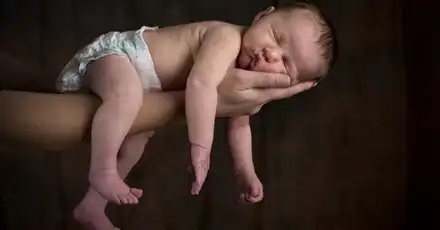
Hypotonia in children, commonly known as low muscle tone, is a condition in which the muscles have reduced tension or resistance to movement. Children with hypotonia may appear “floppy,” have difficulty sitting, crawling, walking, or maintaining posture, and may experience delays in reaching developmental milestones. Hypotonia is not a disease itself but a sign of an underlying neurological, genetic, muscular, or developmental condition. Early diagnosis, appropriate therapy, and comprehensive medical care are essential to improve strength, mobility, and overall development.
What is Hypotonia in Children?
Hypotonia refers to decreased muscle tone, meaning the muscles are less firm than normal, even though muscle strength may sometimes be preserved. Children with hypotonia often have loose joints, poor posture, and delayed motor development.
The condition may be present at birth (congenital hypotonia) or develop later due to an underlying medical condition.
What are the Symptoms of Hypotonia in Children?
The symptoms vary depending on the severity and underlying cause. Common signs include:
- Floppy appearance during infancy
- Poor head control
- Delayed sitting, crawling, or walking
- Weak muscle tone
- Loose or overly flexible joints
- Poor posture
- Difficulty with balance and coordination
- Delayed speech and feeding difficulties in some children
- Easily becoming tired during physical activity
- Difficulty climbing stairs or running
Parents should consult a doctor if developmental milestones are delayed or if the child appears unusually floppy.
What are the Causes of Hypotonia in Children?
Hypotonia can occur due to many medical conditions, including:
- Down syndrome
- Cerebral palsy
- Muscular dystrophy
- Spinal muscular atrophy (SMA)
- Genetic syndromes
- Brain or spinal cord disorders
- Premature birth
- Metabolic disorders
- Neuromuscular diseases
- Benign congenital hypotonia
Identifying the underlying cause is important because treatment depends on the diagnosis.
Which Children are at Higher Risk?
Children who may have a higher risk include:
- Premature babies
- Children with genetic disorders
- Children with neurological conditions
- Children with congenital muscle disorders
- Children with developmental delays
Types of Hypotonia
Congenital Hypotonia
Present at birth and often associated with genetic or neurological conditions.
Acquired Hypotonia
Develops later due to illness, injury, infection, or neurological disorders.
Central Hypotonia
Caused by conditions affecting the brain or central nervous system.
Peripheral Hypotonia
Results from disorders affecting nerves, muscles, or the neuromuscular junction.
How is Hypotonia Diagnosed?
Doctors diagnose hypotonia through a detailed developmental assessment and physical examination.
Diagnostic tests may include:
- Neurological examination
- Developmental assessment
- Blood tests
- Genetic testing
- MRI of the brain or spine, when indicated
- Electromyography (EMG) and nerve conduction studies in selected cases
- Muscle biopsy in rare situations
These investigations help identify the underlying cause and guide treatment.
Treatment for Hypotonia in Children
Physical Therapy
Physical therapy helps improve muscle strength, balance, posture, coordination, and mobility.
Occupational Therapy
Occupational therapy supports daily activities, fine motor skills, and independence.
Speech and Feeding Therapy
Children with speech or swallowing difficulties may benefit from specialized therapy.
Medical Treatment
Treatment focuses on managing the underlying condition responsible for hypotonia.
Homeopathic Treatment
Homeopathy focuses on supporting overall neurological health, muscle development, immunity, and general well-being naturally in children with developmental concerns. At Dr. Sanjay’s Homoeopathy, treatment is individualized according to the child’s developmental milestones, muscle tone, neurological status, nutritional health, and constitutional profile. The clinic follows a holistic approach intended to complement physiotherapy, occupational therapy, speech therapy, and routine pediatric care.
Hypotonia Homeopathic Remedies for Children
Homeopathic medicines are selected individually after a comprehensive assessment.
Calcarea Phosphorica
Often considered for delayed bone and muscle development.
Calcarea Carbonica
May help children with delayed milestones, muscle weakness, and constitutional sluggishness.
Baryta Carbonica
Commonly considered for developmental delay and delayed physical growth.
Tuberculinum
Sometimes used in individualized homeopathic care for recurrent illnesses and developmental concerns.
Silicea
May be recommended in selected children with delayed growth and constitutional weakness.
Homeopathic treatment should always be supervised by a qualified physician and should complement—not replace—medical treatment and developmental therapies.
Complications of Untreated Hypotonia
Without early intervention, hypotonia may lead to:
- Delayed motor development
- Poor balance and coordination
- Difficulty walking or running
- Joint instability
- Poor posture
- Speech and feeding difficulties
- Reduced participation in physical activities
Early therapy helps children achieve better functional outcomes.
How Can Parents Support a Child with Hypotonia?
Parents can help by:
- Starting early intervention therapies as recommended
- Encouraging daily physical activity and play
- Following home exercise programs provided by therapists
- Ensuring a nutritious and balanced diet
- Attending regular developmental follow-ups
- Providing emotional encouragement and positive reinforcement
What is hypotonia in children?
Hypotonia is a condition characterized by reduced muscle tone, causing muscles to feel floppy and making movement and posture more difficult.
What causes hypotonia in children?
Hypotonia may result from genetic disorders, neurological diseases, muscular conditions, premature birth, metabolic disorders, or developmental conditions.
Can hypotonia improve with treatment?
Yes. Many children improve significantly with early diagnosis, physiotherapy, occupational therapy, speech therapy, and treatment of the underlying cause.
Can homeopathy help children with hypotonia?
Homeopathy may support overall health, development, and wellbeing naturally as part of a comprehensive treatment plan. It should complement—not replace—medical evaluation and rehabilitation therapies.
When should parents consult a doctor?
Parents should seek medical evaluation if a child has poor head control, delayed developmental milestones, unusual floppiness, feeding difficulties, or problems with movement and coordination.
Why choose Dr. Sanjay’s Homoeopathy for Hypotonia Treatment in Children in Lucknow, India?
At Dr. Sanjay’s Homoeopathy, children with hypotonia and developmental concerns receive advanced and holistic homeopathic Treatment under the expert guidance of Dr. Sanjay Singh, MD (Homoeopathy), who has more than 22 years of experience in treating pediatric neurological and developmental conditions naturally. The clinic is trusted by parents from Lucknow, across India, and internationally for its individualized treatment plans, detailed developmental assessments, and compassionate child-centered care. Every child is carefully evaluated according to muscle tone, developmental milestones, neurological health, nutritional status, immunity, and constitutional profile to provide personalized supportive care aimed at promoting overall growth and well-being naturally. Dr. Sanjay’s Homoeopathy works alongside pediatricians, neurologists, physiotherapists, occupational therapists, and speech therapists to help children achieve their maximum developmental potential.