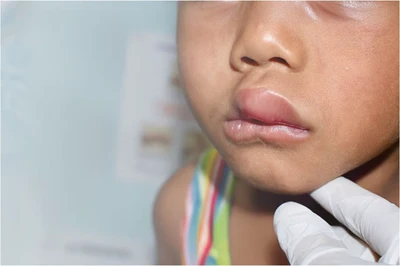
Angioedema in children is a condition that causes sudden swelling in the deeper layers of the skin and tissues. It commonly affects the lips, eyelids, face, hands, feet, or other areas of the body. In some cases, swelling can involve the tongue or throat and may interfere with breathing, making it a medical emergency. Angioedema can occur due to allergies, medications, infections, insect bites, or inherited conditions. Identifying the underlying cause is important for preventing recurrent episodes and managing the condition safely.
What is Angioedema in Children?
Angioedema is a type of swelling that develops beneath the surface of the skin or mucous membranes. Unlike ordinary skin rashes, the swelling involves deeper tissues and may occur suddenly.
Angioedema can occur with hives (urticaria), particularly when it is caused by an allergic reaction. However, some children develop angioedema without hives.
The swelling may last for several hours or longer depending on the underlying cause.
What are the Symptoms of Angioedema in Children?
Common symptoms include:
- Sudden swelling of the lips
- Swollen eyelids
- Swelling of the face
- Swelling of the tongue
- Swelling of the hands or feet
- Swelling around the mouth
- Tingling or burning sensation
- Tight or uncomfortable skin
- Abdominal pain or cramping in some cases
- Nausea or vomiting in allergic reactions
- Difficulty swallowing
- Hoarseness or voice changes
Emergency Warning Signs
Angioedema involving the tongue, throat, or airway can become life-threatening.
Seek emergency medical care immediately if the child develops:
- Difficulty breathing
- Noisy breathing or wheezing
- Swelling of the tongue or throat
- Difficulty swallowing
- Drooling
- Sudden voice changes
- Dizziness or fainting
- Pale or bluish skin
- Extreme weakness
If the child has been prescribed an epinephrine auto-injector for a severe allergy, it should be used according to the child’s emergency action plan, and emergency medical services should be contacted.
What are the Causes of Angioedema in Children?
Several factors can trigger angioedema.
Allergic Reactions
Foods such as peanuts, tree nuts, eggs, milk, shellfish, and other allergens can trigger sudden swelling in susceptible children.
Medication Reactions
Certain medicines, including antibiotics and other drugs, may cause allergic angioedema.
Insect Bites and Stings
Bee, wasp, and other insect stings may cause localized or generalized swelling.
Infections
Viral and other infections can occasionally trigger episodes of angioedema in children.
Physical Triggers
Cold, heat, pressure, exercise, or other physical factors can occasionally contribute to swelling.
Hereditary Angioedema
Hereditary angioedema (HAE) is a rare inherited disorder that causes recurrent episodes of swelling. It is different from typical allergy-related angioedema and requires specialist evaluation.
Unknown Cause
Sometimes no specific trigger can be identified, particularly in recurrent cases.
Which Children are at Higher Risk?
Children at increased risk may include:
- Children with known food allergies
- Children with asthma or other allergic conditions
- Children with recurrent hives
- Children with a family history of angioedema
- Children with hereditary angioedema
- Children taking medicines associated with allergic reactions
- Children who have experienced angioedema previously
Types of Angioedema
Allergic Angioedema
Occurs as part of an allergic reaction and may occur together with hives.
Hereditary Angioedema
A genetic condition caused by abnormalities involving the complement system, commonly associated with C1 inhibitor deficiency or dysfunction.
Drug-Induced Angioedema
Develops after exposure to a medication.
Idiopathic Angioedema
Occurs when a definite cause cannot be identified.
How is Angioedema Diagnosed?
Doctors diagnose angioedema primarily through the child’s symptoms, medical history, and physical examination.
Depending on the suspected cause, investigations may include:
- Physical examination
- Detailed allergy history
- Medication review
- Allergy testing when appropriate
- Complement testing
- C1 inhibitor level and function testing when hereditary angioedema is suspected
- Additional blood tests based on the clinical situation
Children with recurrent unexplained swelling may require evaluation by an allergist or immunologist.
Treatment for Angioedema in Children
Treatment depends on the underlying cause and severity.
Emergency Treatment
If angioedema is part of anaphylaxis, epinephrine is the first-line emergency treatment. Immediate emergency medical care is essential.
Antihistamines
Antihistamines may be used for histamine-mediated allergic angioedema under medical guidance.
Corticosteroids
In selected allergic reactions, corticosteroids may be prescribed by a healthcare professional.
Trigger Avoidance
Identifying and avoiding foods, medicines, insects, or other triggers can help prevent future episodes.
Treatment of Hereditary Angioedema
Children with hereditary angioedema require specialist management. Specific therapies may be used to treat acute attacks and, when necessary, prevent recurrent episodes.
Homeopathic Treatment
Homeopathy may be considered as supportive care for general well-being in children with recurrent non-emergency allergic complaints. At Dr. Sanjay’s Homoeopathy, individualized care may consider the child’s symptom pattern, allergy history, recurrent triggers, general health, and constitutional profile.
However, homeopathy should not replace epinephrine, antihistamines, hereditary angioedema-specific treatment, allergy management, or emergency medical care. Any child with airway swelling or breathing difficulty requires urgent conventional medical treatment.
Homeopathic Remedies for Angioedema in Children
Homeopathic medicines are traditionally selected according to the individual symptom pattern rather than simply the diagnosis.
Apis Mellifica
Traditionally considered in homeopathic practice when swelling is accompanied by burning or stinging sensations.
Urtica Urens
May be considered for itchy or burning skin reactions associated with urticarial symptoms.
Histaminum
Sometimes used in homeopathic practice for allergic-type symptoms.
Arsenicum Album
Traditionally considered when allergic symptoms are accompanied by restlessness and weakness.
Sulphur
May be considered in children with recurrent skin-related complaints according to their individual symptom profile.
Homeopathic medicines should only be used under qualified professional guidance and must never delay emergency treatment.
Complications of Angioedema in Children
Most mild episodes resolve without lasting problems. However, severe or recurrent angioedema can cause:
- Airway obstruction
- Breathing difficulty
- Anaphylaxis
- Difficulty swallowing
- Dehydration
- Recurrent swelling
- Anxiety related to unpredictable attacks
- Serious complications from untreated hereditary angioedema
Airway involvement requires immediate medical attention.
How Can Parents Help Prevent Angioedema?
Parents can reduce the risk of recurrent episodes by:
- Identifying known allergy triggers
- Reading food labels carefully
- Informing schools and caregivers about the child’s allergies
- Avoiding medications known to trigger reactions
- Keeping prescribed emergency medication available
- Following the child’s allergy action plan
- Teaching older children to recognize early symptoms
- Seeking specialist evaluation for recurrent unexplained swelling
Children diagnosed with severe allergies may need an individualized emergency plan from their healthcare provider.
Frequently Asked Questions (FAQs)
What causes angioedema in children?
Angioedema may be caused by allergies, medications, insect bites, infections, physical triggers, hereditary conditions, or sometimes an unknown cause.
Is angioedema dangerous for children?
Mild angioedema may resolve without complications, but swelling of the tongue or throat can obstruct the airway and become life-threatening.
Is angioedema the same as hives?
No. Hives are raised, itchy welts on the surface of the skin, while angioedema involves deeper swelling. They can occur together.
Can angioedema be prevented?
Recurrent episodes may be reduced by identifying triggers, avoiding known allergens, following an allergy action plan, and receiving appropriate treatment for underlying conditions.
Can homeopathy help children with angioedema?
Homeopathy may be considered supportive care for selected non-emergency allergic complaints, but it should never replace emergency treatment or medically prescribed allergy and angioedema management.
When should parents seek emergency care?
Immediate emergency care is required if the child develops difficulty breathing, tongue or throat swelling, difficulty swallowing, voice changes, dizziness, fainting, or other signs of a severe allergic reaction.
Why choose Dr. Sanjay’s Homoeopathy for Angioedema Treatment in Children in Lucknow, India?
At Dr. Sanjay’s Homoeopathy, children with recurrent allergic and skin-related complaints receive individualized homeopathic treatment under the guidance of Dr. Sanjay Singh, MD (Homoeopathy), who has over 22 years of experience in pediatric and chronic health conditions. Each child is assessed according to symptom patterns, allergy history, possible triggers, digestive health, immunity, lifestyle, and overall constitution to develop a personalized supportive care approach. The clinic emphasizes appropriate evaluation by pediatricians, allergists, or immunologists whenever recurrent or unexplained angioedema is present. Emergency treatment remains essential whenever swelling affects the tongue, throat, or breathing.