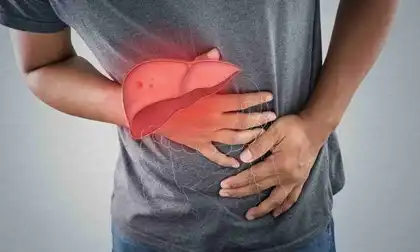
Fatty Liver in children, also known as Pediatric Fatty Liver Disease, is a condition in which excess fat accumulates in the liver. The most common type is Metabolic Dysfunction-Associated Steatotic Liver Disease (MASLD) (previously called Non-Alcoholic Fatty Liver Disease or NAFLD). It is becoming increasingly common due to childhood obesity, unhealthy eating habits, and physical inactivity. While many children have no symptoms in the early stages, untreated fatty liver disease may progress to liver inflammation, scarring, and long-term liver damage. Early diagnosis and healthy lifestyle changes are essential to protect liver health and prevent complications.
What is Fatty Liver in Children?
Fatty liver is a condition in which fat builds up inside liver cells, affecting the liver’s normal function. In children, this condition is most commonly associated with obesity, insulin resistance, and metabolic syndrome rather than alcohol consumption.
Most children with fatty liver can improve significantly with early intervention, healthy eating, regular physical activity, and appropriate medical care.
What are the Symptoms of Fatty Liver in Children?
Many children have no symptoms in the early stages. When symptoms occur, they may include:
- Pain or discomfort in the upper right side of the abdomen
- Fatigue
- Poor energy levels
- Enlarged liver
- Unexplained weight gain
- Obesity
- Dark, velvety skin around the neck or armpits (Acanthosis Nigricans)
- Poor appetite (occasionally)
- Elevated liver enzymes found during routine blood tests
Parents should consult a doctor if their child has obesity, persistent abdominal discomfort, abnormal liver function tests, or risk factors for fatty liver disease.
What are the Causes of Fatty Liver in Children?
Several factors contribute to fatty liver disease.
Childhood Obesity
Excess body weight is the most common cause of fatty liver in children.
Insulin Resistance
Reduced response to insulin causes fat accumulation in the liver.
Unhealthy Diet
Frequent consumption of sugary drinks, processed foods, fast foods, and high-calorie diets increases the risk.
Physical Inactivity
Lack of regular exercise contributes to obesity and liver fat accumulation.
Genetic Factors
Some children inherit a higher risk of developing fatty liver disease.
Medical Conditions
Type 2 diabetes, high cholesterol, metabolic syndrome, and certain rare metabolic disorders may increase the risk.
Which Children are at Higher Risk?
Children at higher risk include:
- Overweight or obese children
- Children with type 2 diabetes
- Children with insulin resistance
- Children with high cholesterol or triglycerides
- Children with metabolic syndrome
- Children with a family history of fatty liver disease
Types of Fatty Liver Disease
Simple Fatty Liver (Simple Steatosis)
Fat accumulates in the liver without significant inflammation or liver damage.
Metabolic Dysfunction-Associated Steatohepatitis (MASH)
A more severe form in which fat accumulation is associated with liver inflammation and liver cell injury, increasing the risk of scarring.
Advanced Liver Fibrosis
Long-standing inflammation may lead to fibrosis (scarring) and, rarely, cirrhosis.
How is Fatty Liver Diagnosed?
Doctors diagnose fatty liver through medical history, physical examination, blood tests, and imaging studies.
Diagnostic investigations may include:
- Physical examination
- Liver function tests
- Blood sugar testing
- Lipid profile
- Abdominal ultrasound
- FibroScan (transient elastography) when indicated
- MRI in selected cases
- Liver biopsy in rare situations to assess disease severity
These investigations help determine the extent of liver involvement and guide treatment.
Treatment for Fatty Liver in Children
Healthy Weight Management
Gradual weight reduction through healthy eating and regular physical activity is the cornerstone of treatment.
Balanced Nutrition
Children should consume a diet rich in fruits, vegetables, whole grains, lean proteins, and healthy fats while limiting sugary drinks, processed foods, and junk food.
Regular Physical Activity
At least 60 minutes of moderate to vigorous physical activity daily is recommended for most children.
Medical Treatment
Doctors may treat associated conditions such as obesity, diabetes, or high cholesterol. Regular monitoring of liver function is essential.
Homeopathic Treatment
Homeopathy focuses on supporting digestive health, liver function, and overall wellbeing through individualized care. At Dr. Sanjay’s Homoeopathy, treatment is tailored according to the child’s symptoms, nutritional status, weight, metabolic health, lifestyle, and constitutional profile. The clinic follows a holistic approach designed to complement pediatric and hepatology care. Homeopathy should not replace healthy lifestyle changes, weight management, or evidence-based medical treatment for fatty liver disease.
Homeopathic Remedies for Fatty Liver in Children
Homeopathic medicines are prescribed individually after a detailed evaluation.
Chelidonium Majus
Often considered in homeopathic practice for liver-related digestive complaints.
Lycopodium Clavatum
May be recommended for digestive disturbances, bloating, and constitutional liver symptoms.
Carduus Marianus
Commonly considered for supportive liver care under individualized homeopathic treatment.
Nux Vomica
May be prescribed for digestive discomfort associated with unhealthy dietary habits.
Phosphorus
Sometimes considered according to the child’s constitutional profile and overall health.
Homeopathic treatment should always be supervised by a qualified physician and should complement evidence-based pediatric liver care.
Complications of Untreated Fatty Liver
Without appropriate treatment, fatty liver may lead to:
- Liver inflammation (MASH)
- Liver fibrosis
- Cirrhosis (rare in childhood but possible)
- Type 2 diabetes
- High blood pressure
- High cholesterol
- Cardiovascular disease later in life
- Reduced quality of life
Early diagnosis and lifestyle modification significantly improve long-term outcomes.
How Can Parents Help Prevent Fatty Liver?
Parents can help by:
- Encouraging a healthy, balanced diet
- Limiting sugary beverages and processed foods
- Promoting daily physical activity
- Maintaining a healthy body weight
- Limiting screen time
- Scheduling regular pediatric check-ups
- Monitoring children with obesity or diabetes for liver health
Frequently Asked Questions (FAQs)
What is fatty liver in children?
Fatty liver is a condition in which excess fat accumulates in the liver, most commonly due to obesity, insulin resistance, and unhealthy lifestyle habits.
Can fatty liver in children be reversed?
Yes. In many cases, early-stage fatty liver can improve or even reverse with healthy eating, regular exercise, weight management, and appropriate medical care.
Is fatty liver dangerous?
If left untreated, fatty liver can progress to liver inflammation, fibrosis, and, in severe cases, cirrhosis. Early diagnosis greatly reduces these risks.
Can homeopathy help children with fatty liver?
Homeopathy may provide supportive care for digestive health and overall wellbeing as part of a comprehensive treatment plan alongside healthy lifestyle changes and evidence-based medical care.
How can parents prevent fatty liver in children?
Parents can help by encouraging a nutritious diet, regular physical activity, maintaining a healthy weight, limiting sugary foods and drinks, and ensuring routine health check-ups.
Why choose Dr. Sanjay’s Homoeopathy for Fatty Liver Treatment in Children in Lucknow, India?
At Dr. Sanjay’s Homoeopathy, children with metabolic and digestive health concerns receive advanced and holistic homeopathic treatment care under the expert guidance of Dr. Sanjay Singh, MD (Homoeopathy), who has over 22 years of experience in treating pediatric chronic health conditions naturally. The clinic is trusted by families from Lucknow, across India, and internationally for its individualized treatment plans, comprehensive child evaluations, and compassionate care. Every child is assessed according to liver health, digestive symptoms, nutritional status, body weight, metabolism, immunity, and constitutional profile to provide personalized supportive care aimed at promoting overall wellbeing naturally. Dr. Sanjay’s Homoeopathy also strongly recommends regular follow-up with pediatricians or pediatric gastroenterologists/hepatologists, along with healthy lifestyle modification, to support long-term liver health.