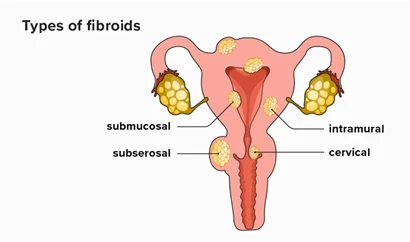
Fibroids, also known as uterine fibroids or leiomyomas, are non-cancerous growths that develop in or around the uterus. They are common during the reproductive years and can vary greatly in size, number, and location. Some women may have fibroids without experiencing any symptoms, while others may develop heavy menstrual bleeding, pelvic pain, pressure, frequent urination, or fertility-related concerns.
The severity of symptoms often depends on the size, number, and location of the fibroids. Early diagnosis and appropriate treatment can help manage symptoms and identify cases that require gynecological care.
What are Fibroids?
Fibroids are growths made up of smooth muscle and fibrous tissue that develop in or around the uterus. They can be very small or grow large enough to cause noticeable pressure and discomfort.
A woman may have:
- A single fibroid
- Multiple fibroids
- Small fibroids without symptoms
- Large fibroids causing pressure-related symptoms
Fibroids are generally non-cancerous, but any abnormal uterine growth should be properly evaluated by a qualified healthcare professional.
What are the Symptoms of Fibroids?
Many women with fibroids do not experience noticeable symptoms. When symptoms occur, they may include:
- Heavy menstrual bleeding
- Prolonged periods
- Painful periods
- Pelvic pain or discomfort
- A feeling of pressure or fullness in the lower abdomen
- Frequent urination
- Difficulty emptying the bladder
- Constipation
- Lower back pain
- Pain during sexual intercourse
- Abdominal enlargement
- Fatigue due to heavy menstrual bleeding
Some women may also experience difficulty becoming pregnant or pregnancy-related complications, depending on the size and location of the fibroids.
What are the Causes of Fibroids?
The exact cause of fibroids is not completely understood. Several factors may contribute to their development, including:
- Hormonal factors
- Genetic or family history
- Estrogen and progesterone activity
- Growth factors
- Changes in uterine muscle cells
Fibroids often develop during the reproductive years and may change in size over time.
Which Women are at Higher Risk of Fibroids?
Women who may have a higher risk include:
- Women with a family history of fibroids
- Women during their reproductive years
- Women with hormonal factors that may influence fibroid growth
- Women who are overweight
- Women with certain lifestyle and dietary factors
- Women who have previously had fibroids
Having one or more risk factors does not necessarily mean that a person will develop fibroids.
Types of Fibroids
Fibroids are commonly classified according to their location.
Intramural Fibroids
These develop within the muscular wall of the uterus. They are among the most common types of fibroids.
Submucosal Fibroids
These develop beneath the inner lining of the uterus and may protrude into the uterine cavity. They can sometimes contribute to heavy bleeding or fertility-related concerns.
Subserosal Fibroids
These develop on the outer surface of the uterus and may cause pressure on nearby organs depending on their size and location.
Pedunculated Fibroids
Some fibroids grow on a stalk-like structure and may be located either inside or outside the uterus.
How are Fibroids Diagnosed?
Fibroids are diagnosed through medical history, physical examination, and imaging studies.
Diagnostic tests may include:
- Pelvic examination
- Pelvic ultrasound
- Transvaginal ultrasound
- MRI in selected cases
- Hysteroscopy in selected cases
- Blood tests to check for anemia when heavy bleeding is present
These tests help determine the size, number, and location of the fibroids and guide further treatment.
Treatment for Fibroids
Treatment depends on the woman’s symptoms, age, size and location of the fibroids, and future pregnancy plans.
Medical Treatment
Doctors may recommend medicines to help manage heavy menstrual bleeding, pain, or other symptoms associated with fibroids.
Lifestyle and Dietary Measures
Maintaining a healthy weight, regular physical activity, balanced nutrition, and appropriate management of overall health may support general well-being.
Surgical and Procedural Treatment
Women with large fibroids, severe symptoms, significant anemia, or fertility-related concerns may require specialized gynecological procedures.
Depending on the individual condition, treatment options may include:
- Myomectomy
- Hysteroscopic procedures
- Uterine artery embolization
- Other minimally invasive procedures
- Hysterectomy in selected cases
The appropriate treatment should be decided after consultation with a qualified gynecologist.
Fibroids Homeopathic Treatment
Homeopathy follows an individualized approach based on the woman’s complete symptom picture. At Dr. Sanjay’s Homoeopathy, the treatment approach considers menstrual symptoms, the pattern and duration of bleeding, pelvic discomfort, associated complaints, hormonal health, lifestyle, emotional well-being, medical history, and constitutional profile.
The goal of individualized homeopathic care is to support overall women’s health and help manage associated symptoms naturally as part of a comprehensive healthcare approach.
Homeopathic Remedies for Fibroids
Homeopathic medicines are selected individually according to the woman’s symptoms and overall constitution.
Sepia
Sepia is often considered in homeopathic practice for various women’s health concerns, particularly when menstrual irregularities, pelvic discomfort, and hormonal symptoms are present.
Calcarea Carbonica
Calcarea Carbonica may be considered according to the individual’s menstrual pattern, general health, and constitutional characteristics.
Thuja Occidentalis
Thuja may be considered in selected cases based on the individual’s complete symptom picture and specific health complaints.
Pulsatilla
Pulsatilla may be considered when menstrual symptoms and hormonal changes form an important part of the individual’s symptom pattern.
Fraxinus Americana
Fraxinus Americana is traditionally considered in homeopathic practice for certain uterine complaints associated with pelvic heaviness and discomfort.
The selection of homeopathic medicine depends on the individual’s complete symptoms and constitution. Treatment should be planned under the guidance of a qualified homeopathic physician.
Complications of Untreated Fibroids
Depending on their size and location, untreated fibroids may contribute to:
- Heavy menstrual bleeding
- Anemia
- Chronic pelvic pain
- Pressure on the bladder or bowel
- Frequent urination
- Constipation
- Difficulty with fertility in some cases
- Pregnancy-related complications in some women
- Reduced quality of life
Regular evaluation can help monitor fibroid size and associated symptoms.
How Can You Support Uterine Health?
The following measures may support overall reproductive and general health:
- Maintain a healthy body weight
- Follow a balanced and nutritious diet
- Stay physically active
- Attend regular gynecological check-ups
- Track changes in menstrual patterns
- Seek medical advice for unusually heavy bleeding
- Manage stress and maintain adequate sleep
Women with diagnosed fibroids should follow their doctor’s advice regarding monitoring and treatment.
Frequently Asked Questions (FAQs)
What are fibroids?
Fibroids are non-cancerous growths made of muscle and fibrous tissue that develop in or around the uterus.
What are the common symptoms of fibroids?
Common symptoms include heavy or prolonged periods, pelvic pain, pressure in the lower abdomen, frequent urination, constipation, lower back pain, and fatigue.
Can fibroids cause heavy menstrual bleeding?
Yes. Depending on their size and location, fibroids can contribute to heavy or prolonged menstrual bleeding.
Can fibroids affect fertility?
Some fibroids, particularly depending on their size and location, may affect fertility or pregnancy. A gynecological evaluation can help assess individual concerns.
Are fibroids cancerous?
Fibroids are generally non-cancerous growths. However, abnormal uterine symptoms or growths should always be properly evaluated.
Can homeopathy help with fibroids?
Homeopathic treatment follows an individualized approach based on menstrual symptoms, pelvic discomfort, overall health, lifestyle, medical history, and constitutional profile.
When should I consult a doctor for fibroids?
Medical evaluation is important if you experience heavy or prolonged menstrual bleeding, severe pelvic pain, rapid abdominal enlargement, dizziness, weakness, or symptoms affecting daily life.
Why choose Dr. Sanjay’s Homoeopathy for Fibroids Treatment in Lucknow, India?
At Dr. Sanjay’s Homoeopathy, women with fibroids and chronic gynecological concerns receive personalized and holistic homeopathic care under the expert guidance of Dr. Sanjay Singh, MD (Homoeopathy), who has more than 22 years of experience in treating chronic and recurring health conditions naturally. The clinic is trusted by patients from Lucknow, across India, and internationally for its personalized treatment plans, detailed evaluations, and compassionate patient-centered care. Every patient is carefully assessed according to menstrual symptoms, bleeding patterns, pelvic discomfort, associated complaints, lifestyle, medical history, hormonal health, and constitutional profile to provide individualized treatment aimed at supporting overall women’s health and well-being naturally. Dr. Sanjay’s Homoeopathy combines classical homeopathic principles with modern medical understanding and recommends gynecological evaluation whenever necessary.