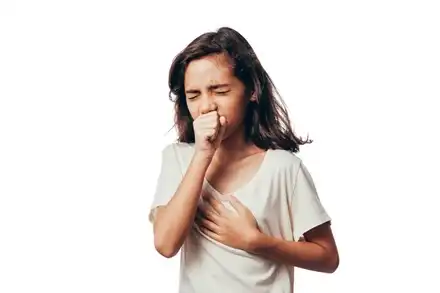
Trouble breathing in children, also known as breathing difficulty or respiratory distress, is a condition in which a child has difficulty breathing normally. It may develop suddenly or gradually and can range from mild shortness of breath to a life-threatening emergency. Breathing difficulties may be caused by infections, asthma, allergies, airway obstruction, congenital heart or lung diseases, or other medical conditions. Early diagnosis and prompt treatment are essential to prevent complications and ensure the child receives adequate oxygen.
What is Trouble Breathing in Children?
Trouble breathing refers to any condition in which a child struggles to breathe comfortably or efficiently. The child may breathe faster than normal, use extra muscles to breathe, or have noisy breathing due to narrowing or blockage of the airways.
Breathing difficulty is a symptom rather than a disease and always requires careful evaluation to identify the underlying cause.
What are the Symptoms of Trouble Breathing in Children?
The symptoms vary depending on the underlying condition and severity. Common signs include:
- Rapid breathing (fast breathing)
- Shortness of breath
- Wheezing
- Noisy breathing (stridor)
- Chest retractions (skin pulling in between the ribs or below the chest)
- Nasal flaring
- Persistent cough
- Bluish lips, tongue, or fingertips (cyanosis)
- Difficulty feeding in infants
- Fatigue or lethargy
- Inability to speak or cry normally due to breathing difficulty
- Fever if associated with an infection
Seek emergency medical care immediately if the child has severe breathing difficulty, bluish lips, becomes unconscious, cannot speak or drink, or stops breathing.
What are the Causes of Trouble Breathing in Children?
Many medical conditions can cause breathing difficulty.
Asthma
One of the most common causes of recurrent breathing difficulty in children.
Respiratory Infections
Pneumonia, bronchiolitis, croup, influenza, RSV infection, and other viral or bacterial infections may affect breathing.
Allergic Reactions
Severe allergic reactions (anaphylaxis) can cause swelling of the airway and breathing difficulty.
Foreign Body Aspiration
Small objects, food particles, or toys accidentally inhaled into the airway can obstruct breathing.
Congenital Heart or Lung Diseases
Certain birth defects affecting the heart or lungs may cause persistent breathing problems.
Airway Disorders
Conditions such as laryngomalacia, tracheomalacia, or vocal cord abnormalities may contribute to breathing difficulties.
Which Children are at Higher Risk?
Children at higher risk include:
- Infants younger than one year
- Children with asthma
- Premature babies
- Children with congenital heart disease
- Children with chronic lung disease
- Children with weakened immune systems
- Children with severe allergies
Types of Trouble Breathing
Acute Breathing Difficulty
Develops suddenly and may require urgent medical treatment.
Chronic Breathing Difficulty
Persists over weeks or months and may be associated with asthma, heart disease, or chronic lung conditions.
Upper Airway Breathing Difficulty
Occurs due to narrowing or obstruction above the windpipe and often causes stridor.
Lower Airway Breathing Difficulty
Usually caused by asthma, bronchiolitis, or pneumonia and commonly produces wheezing.
How is Trouble Breathing Diagnosed?
Doctors diagnose breathing difficulty through medical history, physical examination, and appropriate investigations.
Diagnostic tests may include:
- Physical examination
- Pulse oximetry (oxygen saturation measurement)
- Chest X-ray
- Blood tests
- Lung function tests (in older children)
- Allergy testing
- Chest CT scan in selected cases
- Echocardiography if a heart condition is suspected
- Bronchoscopy in selected cases
These investigations help determine the exact cause and guide treatment.
Treatment for Trouble Breathing in Children
Emergency Care
Children with severe respiratory distress may require oxygen therapy, nebulization, intravenous medicines, or hospital admission.
Medical Treatment
Treatment depends on the underlying cause and may include:
- Bronchodilator inhalers or nebulization for asthma
- Antibiotics for bacterial infections
- Antiviral treatment when appropriate
- Corticosteroids to reduce airway inflammation
- Allergy management
- Removal of foreign bodies through bronchoscopy if required
Supportive Care
Adequate hydration, fever management, rest, and regular follow-up help support recovery.
Homeopathic Treatment
Homeopathy focuses on supporting respiratory health, strengthening immunity, and improving overall wellbeing in children with recurrent respiratory complaints. At Dr. Sanjay’s Homoeopathy, treatment is individualized according to the child’s symptoms, respiratory history, allergy profile, immunity, and constitutional characteristics. The clinic follows a holistic approach designed to complement pediatric and respiratory specialist care. Homeopathy should not replace emergency medical treatment, oxygen therapy, inhalers, nebulization, or other evidence-based treatments for breathing difficulties.
Homeopathic Remedies for Trouble Breathing in Children
Homeopathic medicines are prescribed individually after a detailed evaluation.
Antimonium Tartaricum
Often considered for children with excessive mucus and rattling chest sounds.
Arsenicum Album
May be recommended for breathing difficulty associated with anxiety and weakness.
Ipecacuanha
Commonly considered for wheezing with persistent cough and nausea.
Spongia Tosta
May be used for dry, barking cough and upper airway irritation.
Sambucus Nigra
Sometimes prescribed for nighttime breathing difficulty and nasal blockage.
Homeopathic treatment should always be supervised by a qualified physician and should complement appropriate pediatric respiratory care.
Complications of Untreated Trouble Breathing
Without timely treatment, breathing difficulty may lead to:
- Low oxygen levels
- Respiratory failure
- Recurrent lung infections
- Poor growth in chronic cases
- Sleep disturbances
- Hospitalization
- Permanent lung damage in severe conditions
- Life-threatening complications
Early diagnosis and appropriate treatment significantly improve outcomes.
How Can Parents Help Prevent Breathing Problems?
Parents can help by:
- Keeping vaccinations up to date
- Avoiding exposure to cigarette smoke
- Managing asthma and allergies properly
- Encouraging frequent hand washing
- Providing a healthy, balanced diet
- Keeping small objects away from young children
- Seeking prompt medical care for persistent cough or breathing problems
Frequently Asked Questions (FAQs)
What causes trouble breathing in children?
Common causes include asthma, pneumonia, bronchiolitis, allergies, foreign body aspiration, congenital heart disease, and respiratory infections.
When should parents seek emergency medical care?
Immediate medical attention is required if the child has severe breathing difficulty, bluish lips, chest retractions, unconsciousness, inability to speak or drink, or stops breathing.
Can asthma cause breathing difficulty?
Yes. Asthma is one of the most common causes of recurrent wheezing and breathing difficulty in children.
Can homeopathy help children with recurrent breathing problems?
Homeopathy may help support respiratory health and overall wellbeing as part of a comprehensive treatment plan alongside appropriate pediatric and respiratory medical care.
Can breathing difficulty be prevented?
Many cases can be reduced by vaccination, avoiding tobacco smoke, managing allergies and asthma, practicing good hygiene, and seeking early treatment for respiratory infections.
Why choose Dr. Sanjay’s Homoeopathy for Trouble Breathing Treatment in Children in Lucknow, India?
At Dr. Sanjay’s Homoeopathy, children with recurrent respiratory conditions receive advanced and holistic homeopathic treatment under the expert guidance of Dr. Sanjay Singh, MD (Homoeopathy), who has over 22 years of experience in treating pediatric respiratory and allergic disorders naturally. The clinic is trusted by families from Lucknow, across India, and internationally for its individualized treatment plans, comprehensive child evaluations, and compassionate care. Every child is assessed according to respiratory symptoms, allergy history, immunity, growth, nutritional status, and constitutional profile to provide personalized supportive care aimed at promoting healthy respiratory function and overall wellbeing naturally. Dr. Sanjay’s Homoeopathy also emphasizes timely consultation with pediatricians, pulmonologists, or emergency specialists whenever breathing difficulty requires urgent medical intervention.