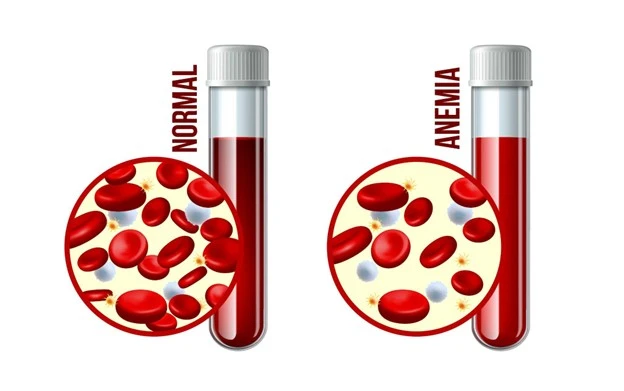
Anemia is a common blood condition in which the body does not have enough healthy red blood cells or enough hemoglobin to carry oxygen effectively to the body’s tissues. It can make a person feel tired, weak, dizzy, or short of breath.
There are many different types of anemia. Iron deficiency is the most common cause, but anemia can also develop because of vitamin B12 or folate deficiency, blood loss, chronic diseases, inherited conditions, problems with red blood cell production, or increased destruction of red blood cells.
Mild anemia may cause few or no symptoms, while more severe anemia can affect daily activities and overall health. Finding the cause is an important part of treatment.
What is Anemia?
Anemia develops when the blood does not have enough healthy red blood cells or hemoglobin to carry adequate oxygen throughout the body.
Hemoglobin is an iron-rich protein inside red blood cells. It carries oxygen from the lungs to different parts of the body.
When hemoglobin or healthy red blood cells are too low, the body may not receive enough oxygen. This can lead to tiredness, weakness, dizziness, headaches, and shortness of breath.
Anemia is not one single disease. It is a condition that can have many different causes.
What are Symptoms of Anemia?
The symptoms depend on how low the hemoglobin level is and how quickly the anemia develops.
Common symptoms include:
- Feeling tired or weak
- Pale skin
- Dizziness
- Headache
- Shortness of breath
- Feeling cold
- Fast or irregular heartbeat
- Difficulty concentrating
- Weakness during physical activity
- Feeling lightheaded
- Irritability
In more significant anemia, a person may experience shortness of breath even with mild activity, fainting, palpitations, or chest discomfort.
Symptoms of Iron Deficiency Anemia
Iron deficiency can cause some additional symptoms, including:
- Brittle nails
- Hair loss
- Pale skin
- Sore or inflamed tongue
- Mouth ulcers
- Craving ice or other non-food substances
- Restless legs
- Difficulty concentrating
These symptoms are not present in everyone with iron deficiency.
What are the Causes of Anemia?
Anemia can develop for three broad reasons:
- The body does not produce enough red blood cells.
- The body loses blood.
- Red blood cells are destroyed faster than the body can replace them.
Iron Deficiency
Iron is required to make hemoglobin. When the body does not have enough iron, it cannot produce enough healthy red blood cells.
Iron deficiency can occur because of:
- Poor dietary intake
- Heavy menstrual bleeding
- Blood loss from the digestive tract
- Poor absorption of iron
- Increased iron requirements during pregnancy
- Certain digestive disorders
Iron deficiency anemia is the most common type of anemia.
Vitamin B12 Deficiency
Vitamin B12 is important for healthy red blood cell production.
Low vitamin B12 may occur because of inadequate dietary intake or problems absorbing the vitamin.
Certain stomach and intestinal conditions can interfere with B12 absorption.
Folate Deficiency
Folate, also known as folic acid, is another important nutrient required for red blood cell formation.
A lack of folate can lead to folate-deficiency anemia.
Blood Loss
Blood loss is another important cause of anemia.
It can occur because of:
- Heavy menstrual periods
- Stomach ulcers
- Bleeding in the digestive tract
- Surgery
- Injury
- Certain medicines that increase the risk of bleeding
Slow blood loss can sometimes continue for a long time without being obvious.
Chronic Diseases
Some long-term diseases can affect red blood cell production and lead to anemia.
These may include:
- Chronic kidney disease
- Cancer
- Rheumatoid arthritis
- Inflammatory bowel disease
- Other chronic inflammatory conditions
Inherited Conditions
Some forms of anemia are inherited.
Examples include:
- Thalassemia
- Sickle cell anemia
- Certain inherited hemolytic anemias
These conditions require specific medical evaluation and management.
Bone Marrow Disorders
The bone marrow produces blood cells. Problems affecting the bone marrow can interfere with red blood cell production.
Some cancers and bone marrow disorders can therefore cause anemia.
Types of Anemia
There are several types of anemia.
Iron Deficiency Anemia
This occurs when the body does not have enough iron to produce adequate hemoglobin. It is the most common type of anemia.
Vitamin B12 Deficiency Anemia
This occurs when the body does not have enough vitamin B12 for normal red blood cell production.
Folate Deficiency Anemia
This develops when the body does not have enough folate.
Anemia of Chronic Disease
Long-term diseases and inflammation can interfere with normal red blood cell production.
Hemolytic Anemia
In hemolytic anemia, red blood cells are destroyed faster than the body can replace them.
Aplastic Anemia
Aplastic anemia occurs when the bone marrow does not produce enough blood cells.
Sickle Cell Anemia
Sickle cell anemia is an inherited blood disorder involving abnormal hemoglobin.
Thalassemia
Thalassemia is an inherited blood disorder that affects hemoglobin production.
The correct treatment depends on the specific type and underlying cause of anemia.
Risk Factors for Anemia
Certain people have a higher risk of developing anemia.
Risk factors may include:
- Heavy menstrual bleeding
- Pregnancy
- Poor nutrition
- Low iron intake
- Vitamin B12 or folate deficiency
- Chronic kidney disease
- Chronic inflammatory diseases
- Gastrointestinal bleeding
- Certain inherited blood disorders
- Certain medicines
- Previous stomach or intestinal surgery
Women with heavy menstrual bleeding and pregnant women are among the groups at higher risk of iron deficiency anemia.
How is Anemia Diagnosed?
A doctor may begin with a medical history and physical examination.
The main test used to identify anemia is a Complete Blood Count (CBC).
A CBC can measure:
- Red blood cell count
- Hemoglobin
- Hematocrit
- Other blood-cell measurements
Additional tests may be needed to find the cause of anemia. These can include:
- Serum iron
- Ferritin
- Total iron-binding capacity
- Vitamin B12
- Folate
- Reticulocyte count
- Other blood tests
If blood loss is suspected, additional tests may be required to find where the bleeding is coming from.
Treatment for Anemia
Treatment depends on why the anemia has developed.
There is no single treatment that works for every type of anemia.
Iron Supplements
Iron supplements are commonly used when anemia is caused by iron deficiency.
The underlying reason for iron deficiency should also be investigated, especially when there is unexplained or ongoing blood loss.
Vitamin B12
People with vitamin B12 deficiency may require vitamin B12 supplementation or injections depending on the cause and severity of the deficiency.
Folic Acid
Folate deficiency may be treated with folic acid and dietary changes.
Treatment of Blood Loss
If anemia is caused by ongoing bleeding, the source of the bleeding needs to be identified and treated.
Treatment of Chronic Disease
When anemia is related to kidney disease, inflammation, cancer, or another chronic condition, treatment focuses on the underlying problem.
Other Treatments
Some people with severe anemia or certain specific types may require medicines that stimulate red blood cell production, immune-suppressing medicines, intravenous treatment, or blood transfusion.
Homeopathic Treatment for Anemia
Homeopathic treatment may be considered by some patients as a complementary approach for general health and individual symptoms associated with anemia.
However, anemia can have many different causes, including iron deficiency, vitamin B12 deficiency, blood loss, kidney disease, inherited blood disorders, and bone marrow conditions.
Therefore, it is important to identify the cause of anemia through appropriate medical evaluation before choosing treatment.
Homeopathy should not replace iron, vitamin B12, folate, blood transfusion, treatment for bleeding, or other medically indicated treatment.
At Dr. Sanjay’s Homoeopathy, consultation may focus on the person’s symptoms, dietary habits, lifestyle, health history, and other individual concerns while appropriate blood testing and medical treatment are continued when required.
Homeopathic Remedies for Anemia
In traditional homeopathic practice, different remedies may be selected according to the person’s symptoms and overall health picture. Commonly discussed remedies include:
1. Ferrum Phosphoricum
Ferrum Phosphoricum is traditionally used in homeopathy for complaints involving weakness, fatigue, and symptoms associated with low vitality. It is often discussed in homeopathic practice when a person appears tired or pale.
2. Ferrum Metallicum
Ferrum Metallicum is traditionally considered when weakness, fatigue, and pale appearance are present. It may be selected according to the person’s broader symptom pattern.
3. China Officinalis
China Officinalis is traditionally used in homeopathy when weakness follows blood or fluid loss. It may be considered when fatigue and weakness are prominent after significant loss of fluids.
4. Natrum Muriaticum
Natrum Muriaticum is traditionally used for certain patterns involving tiredness, weakness, headaches, and other individual symptoms. A homeopathic practitioner may consider it based on the complete symptom picture.
5. Calcarea Phosphorica
Calcarea Phosphorica is traditionally discussed in homeopathy for weakness, poor nutrition, fatigue, and certain growth-related complaints.
6. Alfalfa
Alfalfa is traditionally used in homeopathic practice as a general tonic remedy and may be considered when poor appetite, weakness, and nutritional concerns are present.
7. Phosphorus
Phosphorus is another remedy traditionally used in homeopathic practice for certain patterns of weakness, fatigue, and other individual symptoms.
Diet for Anemia
A nutritious diet can help provide the nutrients needed for healthy blood production, although diet alone may not be enough to treat significant anemia.
Iron-Rich Foods
Depending on dietary preferences, iron can be obtained from foods such as:
- Lentils
- Chickpeas
- Beans
- Soybeans
- Green leafy vegetables
- Meat
- Fish
- Poultry
- Fortified cereals
- Whole grains
- Dried fruits
Vitamin C
Vitamin C can help the body absorb iron from food.
Sources include:
- Oranges
- Guava
- Kiwi
- Tomatoes
- Broccoli
- Strawberries
Vitamin B12 Sources
Vitamin B12 is found naturally in foods such as:
- Eggs
- Milk and dairy products
- Fish
- Meat
- Poultry
People with B12 deficiency caused by absorption problems may need supplementation even if their diet contains enough B12.
Lifestyle Tips for Managing Anemia
Along with appropriate treatment, healthy daily habits can support recovery.
- Eat a balanced diet.
- Include iron-rich foods regularly.
- Include sources of vitamin B12 and folate.
- Take prescribed supplements as directed.
- Do not take iron supplements without appropriate medical advice.
- Get adequate rest if you are experiencing significant fatigue.
- Keep follow-up appointments and repeat blood tests when recommended.
- Investigate unexplained bleeding.
Can Anemia Be Prevented?
Some types of anemia can be prevented, while others cannot.
A balanced diet containing adequate iron, vitamin B12, folate, and other nutrients can help prevent nutritional deficiencies.
Women with heavy menstrual bleeding, pregnant women, people with digestive disorders, and people with certain chronic diseases may need additional monitoring.
Inherited conditions such as sickle cell disease and thalassemia cannot be prevented through diet, but early diagnosis and appropriate management can help reduce complications.
When Should You See a Doctor?
You should consult a healthcare professional if you experience:
- Persistent tiredness
- Unexplained weakness
- Pale skin
- Frequent dizziness
- Shortness of breath
- Fast or irregular heartbeat
- Fainting
- Unusual bleeding
- Very heavy menstrual bleeding
- Blood in the stool
- Black or tar-like stool
- Persistent headaches
- Unexplained weight loss
Severe anemia can reduce oxygen delivery to important organs and may cause serious complications.
Frequently Asked Questions
What is anemia?
Anemia is a condition in which the body does not have enough healthy red blood cells or adequate hemoglobin to carry oxygen effectively throughout the body.
What is the most common type of anemia?
Iron deficiency anemia is the most common type of anemia.
What are the main symptoms of anemia?
Common symptoms include tiredness, weakness, pale skin, dizziness, headache, shortness of breath, and feeling cold.
Can anemia cause tiredness?
Yes. Reduced oxygen delivery to the body’s tissues can cause tiredness and weakness.
What test is used to diagnose anemia?
A Complete Blood Count (CBC) is one of the main blood tests used to identify anemia. Additional tests may be required to determine its cause.
Can anemia be caused by iron deficiency?
Yes. Iron deficiency is one of the most common causes of anemia and can occur because of inadequate iron intake, poor absorption, increased requirements, or blood loss.
Can anemia be caused by heavy periods?
Yes. Heavy or prolonged menstrual bleeding can cause iron loss and eventually lead to iron deficiency anemia.
Can anemia be treated naturally?
Some nutritional deficiencies can improve with appropriate dietary changes, but significant anemia needs proper diagnosis. Depending on the cause, treatment may require iron, vitamin B12, folate, medicines, or other medical treatment.
Can homeopathy cure anemia?
Homeopathic remedies should not be considered a replacement for treatment of the underlying cause of anemia. If iron, vitamin B12, folate, or another treatment is medically indicated, it should not be stopped or replaced without professional advice.
Is anemia serious?
Mild anemia may be easily treatable, but severe anemia or anemia caused by serious underlying disease can be dangerous. The severity and cause should be evaluated by a healthcare professional.
Can anemia cause shortness of breath?
Yes. Moderate or severe anemia can cause shortness of breath because the blood carries less oxygen to the body’s tissues.
Why choose Dr. Sanjay’s Homoeopathy for Anemia Treatment in Lucknow, India?
Dr. Sanjay’s Homoeopathy is a trusted clinic for Anemia Treatment in Lucknow, India. With more than 22 years of experience, Dr. Sanjay Singh, MD (Homoeopathy) provides personalized consultation for people experiencing tiredness, weakness, dizziness, pale appearance, nutritional concerns, and other symptoms associated with anemia. Each consultation focuses on understanding the person’s symptoms, dietary habits, medical history, lifestyle, and overall health. As an experienced homeopathic doctor in Lucknow, Dr. Sanjay Singh provides confidential and patient-focused care in a comfortable environment. For anemia, identifying the underlying cause through appropriate blood tests and medical evaluation is important, particularly when there is significant iron deficiency, vitamin deficiency, blood loss, or another medical condition. Patients from across the world trust Dr. Sanjay’s Homoeopathy for Anemia Treatment in Lucknow, India.