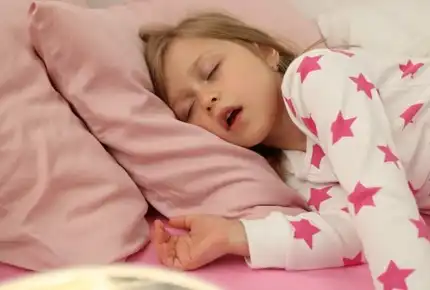
Sleep apnea in children is a sleep-related breathing disorder in which a child’s breathing repeatedly stops or becomes partially blocked during sleep. These interruptions can reduce oxygen levels, disturb normal sleep patterns, and affect a child’s growth, behavior, learning, and overall health. The most common type in children is Obstructive Sleep Apnea (OSA), which is often caused by enlarged tonsils or adenoids. Early diagnosis and appropriate treatment are essential to improve sleep quality, support healthy development, and prevent long-term complications.
What is Sleep Apnea in Children?
Sleep apnea is a condition in which breathing repeatedly pauses or becomes shallow during sleep due to partial or complete blockage of the airway or, less commonly, problems with the brain’s control of breathing.
These pauses may last a few seconds and occur multiple times throughout the night, preventing the child from getting restful sleep.
What are the Symptoms of Sleep Apnea in Children?
The symptoms may occur during sleep as well as during the daytime. Common signs include:
- Loud snoring
- Pauses in breathing during sleep
- Gasping or choking while sleeping
- Restless sleep
- Mouth breathing during sleep
- Night sweating
- Frequent awakening during the night
- Bedwetting
- Morning headaches
- Daytime sleepiness
- Poor concentration
- Hyperactivity or behavioral problems
- Poor school performance
Parents should seek medical attention if they notice repeated breathing pauses or loud snoring on most nights.
What are the Causes of Sleep Apnea in Children?
Several conditions can contribute to sleep apnea, including:
Enlarged Tonsils and Adenoids
The most common cause of obstructive sleep apnea in children.
Obesity
Excess body weight can narrow the airway and increase the risk of airway obstruction during sleep.
Craniofacial Abnormalities
Certain facial or jaw abnormalities may reduce the size of the airway.
Neuromuscular Disorders
Conditions affecting muscle tone may interfere with normal breathing during sleep.
Genetic Syndromes
Children with Down syndrome and certain other genetic conditions have a higher risk of sleep apnea.
Allergies and Chronic Nasal Blockage
Persistent nasal obstruction can contribute to breathing difficulties during sleep.
Which Children are at Higher Risk?
Children at higher risk include:
- Children with enlarged tonsils or adenoids
- Overweight or obese children
- Children with Down syndrome
- Children with cerebral palsy
- Children with craniofacial abnormalities
- Children with allergic rhinitis or chronic nasal congestion
- Prematurely born children
Types of Sleep Apnea
Obstructive Sleep Apnea (OSA)
The most common type, caused by physical blockage of the airway during sleep.
Central Sleep Apnea
Occurs when the brain temporarily fails to send proper signals to the breathing muscles.
Mixed Sleep Apnea
A combination of obstructive and central sleep apnea.
How is Sleep Apnea Diagnosed?
Doctors diagnose sleep apnea through medical history, physical examination, and specialized sleep studies.
Diagnostic investigations may include:
- Physical examination
- Sleep history
- Overnight polysomnography (sleep study)
- Pulse oximetry
- ENT evaluation
- Nasal endoscopy in selected cases
- Imaging studies when structural abnormalities are suspected
A sleep study is considered the gold standard for diagnosing sleep apnea.
Treatment for Sleep Apnea in Children
Medical Treatment
Treatment depends on the underlying cause and severity of the condition.
Adenoidectomy and Tonsillectomy
Children with enlarged tonsils and adenoids causing obstructive sleep apnea may benefit from surgical removal.
Continuous Positive Airway Pressure (CPAP)
CPAP therapy may be recommended for children with moderate to severe sleep apnea who are not suitable candidates for surgery or continue to have symptoms after surgery.
Weight Management
Maintaining a healthy weight can help improve symptoms in overweight children.
Allergy Management
Treating nasal allergies and chronic congestion may improve nighttime breathing.
Homeopathic Treatment
Homeopathy focuses on supporting respiratory health, strengthening immunity, reducing recurrent upper airway infections, and promoting overall wellbeing naturally. At Dr. Sanjay’s Homoeopathy, treatment is individualized according to the child’s sleep pattern, respiratory health, allergy history, immunity, and constitutional profile. The clinic follows a holistic approach designed to complement pediatric, ENT, and sleep medicine care. Homeopathy should not replace evidence-based treatment such as surgery or CPAP when medically indicated.
Sleep Apnea Homeopathic Remedies for Children
Homeopathic medicines are prescribed individually after a detailed assessment.
Baryta Carbonica
Often considered for children with enlarged tonsils, recurrent throat infections, and delayed physical development.
Calcarea Carbonica
May be recommended for overweight children with recurrent respiratory infections and enlarged glands.
Sambucus Nigra
Commonly considered for nighttime nasal blockage and breathing difficulty.
Tuberculinum
Sometimes prescribed constitutionally for children with recurrent respiratory illnesses under professional supervision.
Hepar Sulphuris Calcareum
May help children with recurrent throat infections associated with enlarged tonsils.
Homeopathic treatment should always be supervised by a qualified physician and should complement appropriate medical and surgical management.
Complications of Untreated Sleep Apnea
Without proper treatment, sleep apnea may lead to:
- Poor growth
- Learning difficulties
- Behavioral problems
- Poor concentration
- Daytime fatigue
- High blood pressure
- Heart-related complications
- Reduced quality of life
Early diagnosis and treatment greatly improve long-term health outcomes.
How Can Parents Help Prevent Sleep Apnea?
Parents can help by:
- Maintaining a healthy weight for the child
- Seeking treatment for enlarged tonsils and adenoids
- Managing allergies effectively
- Encouraging regular sleep habits
- Avoiding exposure to cigarette smoke
- Attending regular pediatric follow-up visits
Frequently Asked Questions (FAQs)
What is sleep apnea in children?
Sleep apnea is a condition in which a child’s breathing repeatedly pauses or becomes blocked during sleep, affecting sleep quality and overall health.
What causes sleep apnea in children?
The most common cause is enlarged tonsils and adenoids. Other causes include obesity, allergies, craniofacial abnormalities, and certain neurological or genetic conditions.
Can snoring be a sign of sleep apnea?
Yes. Loud, regular snoring accompanied by breathing pauses, gasping, or restless sleep may indicate obstructive sleep apnea.
Can homeopathy help children with sleep apnea?
Homeopathy may help support respiratory health and overall wellbeing naturally as part of a comprehensive treatment plan alongside appropriate medical, ENT, or sleep specialist care.
When should parents consult a doctor?
Parents should seek medical evaluation if their child snores loudly on most nights, has breathing pauses during sleep, daytime sleepiness, poor concentration, or behavioral changes.
Why choose Dr. Sanjay’s Homoeopathy for Sleep Apnea Treatment in Children in Lucknow, India?
At Dr. Sanjay’s Homoeopathy, children with sleep-related breathing disorders and recurrent ENT conditions receive advanced and holistic homeopathic treatment under the expert guidance of Dr. Sanjay Singh, MD (Homoeopathy), who has over 22 years of experience in treating pediatric respiratory and chronic health conditions naturally. The clinic is trusted by families from Lucknow, across India, and internationally for its individualized treatment plans, detailed child evaluations, and compassionate care. Every child is assessed according to sleep quality, respiratory health, allergy history, immunity, growth, and constitutional profile to provide personalized supportive care aimed at promoting better respiratory health and overall well-being naturally. Dr. Sanjay’s Homoeopathy also emphasizes timely consultation with pediatricians, ENT specialists, and sleep medicine experts whenever advanced evaluation, surgery, or CPAP therapy is required.