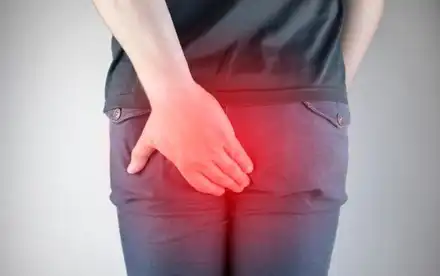
Overview
Anal fistula is a painful condition in which a small tunnel or tract forms between the inside of the anal canal and the skin near the anus. It usually develops as a result of an infection in the anal glands that leads to the formation of an abscess. When the abscess does not heal completely, it may form a fistula.
This condition can cause discomfort, pain, and discharge near the anal area. It may affect daily life and can become chronic if not treated properly. Anal fistula is more common in adults and may be associated with conditions such as chronic infections or inflammatory bowel diseases.
Early diagnosis and proper treatment are important to prevent complications and improve quality of life.
What is Anal Fistula?
An anal fistula is an abnormal passage that connects the anal canal to the outer skin around the anus. It usually starts as an infection in the anal glands, which leads to pus formation (abscess). When the abscess bursts or drains, a tunnel may remain, forming a fistula.
This tract may repeatedly get infected, causing persistent symptoms such as discharge and pain.
Causes of Anal Fistula
Anal fistula can develop due to several reasons.
- Anal Abscess: The most common cause is an untreated or poorly healed anal abscess.
- Infection: Bacterial infections in the anal glands can lead to fistula formation.
- Crohn’s Disease: Inflammatory bowel diseases may increase the risk.
- Tuberculosis: In rare cases, infections like tuberculosis may cause fistula.
- Injury or Surgery: Trauma or surgical procedures near the anus may lead to fistula.
Symptoms of an Anal Fistula
Common symptoms include:
- Pain near the anus
- Swelling and redness
- Pus or blood discharge
- Irritation or itching
- Recurrent abscess
- Pain during bowel movements
- Fever (in some cases)
Symptoms may worsen when sitting or during bowel movements.
Types of Anal Fistula
Anal fistulas are classified based on their location.
Simple Fistula
Involves a single tract and is easier to treat.
Complex Fistula
Involves multiple tracts or deeper tissues and may be difficult to manage.
Risk Factors
Certain factors increase the risk of anal fistula.
- History of anal abscess
- Chronic infections
- Inflammatory bowel diseases
- Poor hygiene
- Weakened immunity
Possible Complications
If untreated, anal fistula may lead to complications.
- Recurrent Infection: Repeated infections may occur.
- Chronic Pain: Persistent discomfort may affect daily life.
- Spread of Infection: Infection may spread to surrounding tissues.
- Multiple Fistula Tracts: The condition may become complex over time.
Diagnosis of Anal Fistula
Doctors use several methods to diagnose an anal fistula.
- Physical Examination: Inspection of the anal area.
- Digital Rectal Examination: To assess internal openings.
- Imaging Tests: MRI or ultrasound may help identify the tract.
Treatment of Anal Fistula
Treatment depends on severity.
- Medications: Used to control infection and inflammation.
- Surgery: In many cases, surgery is required to remove the fistula.
- Drainage: An abscess may need to be drained.
Homeopathic Treatment for Anal Fistula
Homeopathy offers a gentle and effective approach to managing anal fistula, especially in early or moderate cases. It focuses on reducing infection, promoting healing of the fistula tract, and preventing recurrence without the need for surgery in many cases.
Homeopathic treatment is individualized and based on the patient’s symptoms and overall health.
Common Homeopathic Remedies for Anal Fistula
- Silicea – One of the most commonly used remedies for fistula with pus discharge and slow healing.
- Hepar Sulphuris – Useful in painful abscesses with sensitivity and infection.
- Calcarea Sulphurica – Helps in cases with pus formation and delayed healing.
- Myristica Sebifera – Often called a natural remedy for abscess, helps promote healing.
- Sulphur – Useful in chronic cases with itching and burning sensation.
Homeopathic treatment should be taken under the guidance of a qualified doctor.
Lifestyle Tips for Managing Anal Fistula
Healthy habits can help reduce symptoms.
- Maintain Hygiene: Keep the anal area clean and dry.
- Eat High-Fiber Diet: Prevents constipation and reduces strain.
- Drink Plenty of Water: Helps maintain smooth bowel movements.
- Avoid Spicy Foods: May reduce irritation.
- Regular Sitz Bath: Warm water baths may help relieve discomfort.
When to See a Doctor
Medical attention should be sought if:
- Persistent pain or swelling occurs
- Recurrent discharge is present
- Fever develops
- Symptoms worsen over time
Frequently Asked Questions (FAQs)
What is anal fistula?
Anal fistula is a small tunnel that forms between the anal canal and the skin near the anus.
What causes anal fistula?
It is mainly caused by an anal abscess or infection.
Is anal fistula serious?
It can become serious if untreated, leading to infection and complications.
Can anal fistula be cured without surgery?
Yes, anal fistula is cured without surgery through homeopathy.
Can homeopathy help with anal fistula?
Homeopathic treatment may help reduce infection, promote healing, and prevent recurrence.
Why choose Dr. Sanjay’s Homoeopathy for Anal Fistula Treatment in Lucknow, India?
Dr. Sanjay’s Homoeopathy is a trusted clinic for safe and effective Anal Fistula treatment in Lucknow, India. With more than 22 years of experience, Dr. Sanjay Singh, MD (Homoeopathy), provides specialized Anal Fistula homeopathy treatment that helps manage pain, swelling, pus discharge, recurrent infection, irritation, and discomfort around the anal area naturally without side effects. As a leading homeopathic doctor in Lucknow, he follows international treatment standards and offers a personalized approach that focuses on healing the fistula tract, reducing infection, preventing recurrence, and improving overall anorectal health, making him the best homeopathy doctor for Anal Fistula in Lucknow. Patients from across India and around the world choose Dr. Sanjay’s Homoeopathy for its holistic healing, long-lasting relief, and compassionate care in managing colorectal conditions like Anal Fistula.