What is Anal Stenosis?
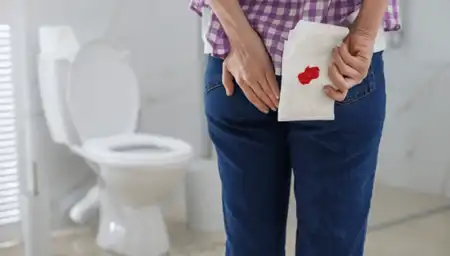
Anal Stenosis is a condition in which the anal canal becomes abnormally narrow, making it difficult to pass stool. The narrowing may occur due to scarring, inflammation, or previous surgery around the anus.
Because the anal opening becomes tight, patients may experience painful bowel movements, constipation, straining, and sometimes bleeding.
Anal stenosis can occur in both adults and children, but it is more commonly seen in adults who have undergone anal surgery, especially for hemorrhoids or fissures.
How does the anal canal normally function?
The anal canal is the final part of the digestive tract. It contains:
- Anal sphincter muscles
- Soft, flexible tissue
- Nerve supply for bowel control
Normally, the canal stretches during bowel movement and returns to its normal size afterward. In anal stenosis, this flexibility is reduced due to scarring or fibrosis.
What Causes Anal Stenosis?
The most common causes include:
- Post-Surgical Scarring: Especially after:
- Hemorrhoid surgery
- Anal fissure surgery
- Fistula surgery
- Chronic Inflammation: Conditions such as:
- Chronic anal fissure
- Crohn’s disease
- Ulcerative colitis
- Radiation Therapy: Pelvic radiation can cause tissue scarring.
- Congenital (Rare): Some children are born with a narrow anal opening.
- Repeated Infection or Trauma: Repeated irritation can lead to scar formation.
Symptoms of Anal Stenosis
Symptoms depend on severity.
Common Symptoms
- Difficulty passing stool
- Pain during bowel movements
- Straining
- Constipation
- Narrow or thin stools
Other Symptoms
- Bleeding
- Feeling of incomplete evacuation
- Rectal discomfort
- Skin irritation
In severe cases, stool may become hard and impacted.
Types of Anal Stenosis
- Mild
- Slight narrowing
- Manageable with diet and stool softeners
- Moderate
- Noticeable difficulty passing stool
- Requires medical treatment
- Severe
- Significant narrowing
- May require surgical correction
Is Anal Stenosis serious?
Mild cases are manageable. However, severe stenosis may lead to:
- Chronic constipation
- Fecal impaction
- Severe pain
- Rectal tears
Early treatment prevents worsening.
How is Anal Stenosis diagnosed?
Diagnosis includes:
- Medical history
- Physical examination
- Digital rectal exam
- Anoscopy (if needed)
Doctors assess the degree of narrowing and the underlying cause.
Conventional Medical Treatment of Anal Stenosis
Treatment depends on severity.
- Conservative Management
- High-fiber diet
- Stool softeners
- Anal dilators
- Warm sitz baths
- Surgical Treatment
- Anoplasty (to widen anal canal)
- Scar tissue release
Surgery is considered in severe cases.
Role of Diet in Anal Stenosis Management
Diet plays a major role in preventing strain.
- High-fiber foods
- Plenty of fluids
- Regular meal timing
- Avoid constipation
Soft stool reduces pain.
Homeopathic Treatment for Anal Stenosis in Lucknow
Homeopathy offers a gentle and effective approach in managing anal stenosis, especially in mild to moderate cases:-
Homeopathic treatment may help in:
- Reducing inflammation
- Managing constipation
- Reducing pain during bowel movements
- Improving tissue healing
- Preventing recurrence of fissures
It does not replace surgical widening when required but supports recovery and symptom relief.
Treatment is individualised based on:
- Severity
- Nature of pain
- Stool consistency
- Emotional health
- Lifestyle habits
Common Homeopathic Medicines Used
(Prescribed only under expert supervision)
- Ratanhia – Severe pain during stool
- Nitric Acid – Bleeding and fissure tendency
- Graphites – Chronic constipation
- Nux Vomica – Straining and hard stool
- Sulphur – Morning urgency and burning
Benefits of Homeopathic Treatment
- Natural and non-toxic
- Safe alongside medical treatment
- Helps reduce discomfort
- Supports healing
- Improves bowel habits
- Enhances quality of life
Prevention of Anal Stenosis
- Avoid chronic constipation
- Treat anal fissures early
- Follow post-surgical care properly
- Maintain healthy diet
- Avoid excessive straining
Emotional Impact
Anal conditions can cause:
- Embarrassment
- Anxiety
- Social discomfort
- Fear of bowel movement
Compassionate and confidential care is important.
Can Anal Stenosis be cured?
Mild cases often improve with conservative treatment. Severe scarring may require surgical correction. Supportive therapy improves long-term comfort.
Frequently Asked Questions
Is anal stenosis painful?
Yes, especially during bowel movements.
Can diet alone cure it?
Diet helps but may not be enough in moderate to severe cases.
Is surgery always needed?
Only in severe cases.
Is homeopathy safe?
Yes, as supportive care under expert supervision.
Why Choose Dr. Sanjay’s Homoeopathy for Anal Stenosis Treatment in Lucknow, India?
Dr. Sanjay’s Homoeopathy is a trusted clinic for safe and effective Anal Stenosis treatment in Lucknow, India. With more than 22 years of experience, Dr. Sanjay Singh, MD (Homoeopathy), provides specialized homeopathy treatment that helps manage narrow anal passage, painful bowel movements, constipation, bleeding, straining, and rectal discomfort naturally without side effects. As a leading homeopathic doctor in Lucknow, he follows international treatment standards and offers a personalized approach that focuses on reducing inflammation, improving bowel function, relieving pain, and preventing recurrence, making him the best homeopathy doctor for Anal Stenosis in Lucknow. Patients from across India and around the world choose Dr. Sanjay’s Homoeopathy for its holistic healing, long-lasting relief, and compassionate care in managing colorectal conditions like Anal Stenosis.