Introduction
Edema is a condition in which excess fluid accumulates in the body’s tissues, causing swelling in areas such as the feet, ankles, legs, hands, face, or abdomen. It may develop after sitting or standing for long periods, eating too much salt, taking certain medications, or experiencing an injury. However, persistent or unexplained swelling can also be associated with underlying health conditions affecting the heart, kidneys, liver, or circulatory system.
Recognizing the symptoms and identifying the cause of edema are important steps toward appropriate treatment. The management approach depends on the location and severity of swelling, the person’s medical history, and any underlying condition.
What is Edema?
Edema is the medical term for swelling caused by the accumulation of excess fluid in the body’s tissues. Normally, the circulatory and lymphatic systems help maintain a balance of fluids in the body. When fluid moves into surrounding tissues faster than it can be removed, swelling develops.
Edema most commonly affects the lower legs, ankles, and feet, although it can occur in other parts of the body. Some cases are temporary and improve with simple measures, while others require medical evaluation and treatment.
Edema is a symptom rather than a disease in itself. Identifying its underlying cause is essential for effective management.
What are the common symptoms of Edema?
The symptoms of edema can vary depending on the affected body part, the amount of fluid accumulated, and the underlying cause.
Common symptoms include:
- Swelling: Enlargement of the feet, ankles, legs, hands, arms, or other affected areas.
- Puffy appearance: The affected area may appear noticeably fuller than usual.
- Tight or shiny skin: The skin may look stretched, smooth, or shiny.
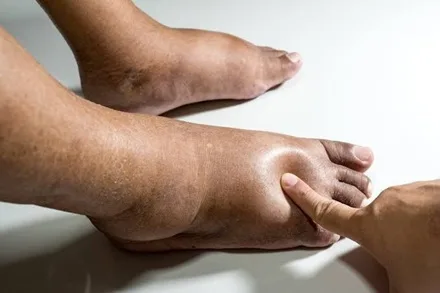
- Skin indentation: Pressing gently on the swollen area may leave a temporary dent, known as pitting edema.
- Discomfort or heaviness: The affected area may feel heavy, tight, tender, or uncomfortable.
- Reduced mobility: Swelling may make walking, bending the joints, or moving the hands difficult.
- Tight clothing or footwear: Shoes, socks, rings, or clothes may feel tighter than usual.
- Unexpected weight gain: Fluid retention may cause a relatively rapid increase in body weight.
- Abdominal swelling: Fluid accumulation in the abdomen may cause a feeling of fullness or increased abdominal size.
Not everyone experiences all these symptoms. The presence of swelling alongside other symptoms can help a healthcare professional determine the possible cause.
What are the causes of Edema?
Edema can develop for several reasons, ranging from temporary fluid retention to more significant medical conditions.
- Prolonged Sitting or Standing: Remaining in one position for a long time can cause fluid to accumulate in the lower legs and feet. This is particularly common during long journeys, desk work, or occupations that require prolonged standing.
- Excessive Salt Intake: Eating large amounts of sodium can encourage the body to retain fluid. A high-salt diet may contribute to swelling, particularly in people who already have conditions that affect fluid balance.
- Heart Conditions: When the heart cannot pump blood effectively, fluid may accumulate in the legs and other parts of the body. Swelling associated with heart failure may occur alongside breathlessness, fatigue, or difficulty breathing when lying down.
- Kidney Problems: The kidneys regulate fluid and electrolyte balance. Certain kidney conditions can interfere with this process and cause swelling, particularly around the eyes, in the legs, or throughout the body.
- Liver Disease: Some liver conditions can affect the production of proteins that help keep fluid within blood vessels. Advanced liver disease may contribute to swelling in the legs and fluid accumulation in the abdomen.
- Venous Insufficiency: Veins in the legs contain valves that help blood return toward the heart. When these valves do not work properly, blood can collect in the lower limbs, contributing to swelling, skin changes, and discomfort.
- Blood Clots: A blood clot in a deep vein, known as deep vein thrombosis (DVT), can cause swelling, pain, warmth, or redness in one leg. This requires urgent medical assessment because a clot can sometimes travel to the lungs.
- Pregnancy: Hormonal changes and increased pressure on blood vessels during pregnancy can cause swelling in the feet and ankles. Sudden swelling of the face or hands, particularly with a severe headache or visual changes, requires immediate assessment for possible pregnancy-related complications.
- Medication Side Effects: Certain medicines can contribute to fluid retention. These may include some blood pressure medicines, corticosteroids, hormone treatments, and some antidepressants. Never stop a prescribed medicine without consulting the prescribing healthcare professional.
- Allergic Reactions and Inflammation: Injuries, infections, insect bites, and allergic reactions can cause localized swelling. Sudden swelling involving the lips, tongue, or throat may indicate a serious allergic reaction and requires emergency care.
- Thyroid Disorders: Certain thyroid conditions can contribute to changes in fluid balance and tissue swelling.
- Lymphatic System Problems: The lymphatic system helps drain excess fluid from tissues. Damage, blockage, or impaired function of lymph vessels can cause a condition called lymphedema, which may lead to persistent swelling in an arm, leg, or another body area.
Types of Edema
Edema can be classified according to the body part affected and the characteristics of the swelling.
- Peripheral Edema: Peripheral edema affects the feet, ankles, legs, hands, or arms. It may be related to prolonged standing, circulation problems, medication effects, or underlying medical conditions.
- Pitting Edema: Pitting edema occurs when gentle pressure on the swollen area leaves an indentation that remains briefly after the pressure is removed. It is often seen in the legs and feet and may be associated with fluid retention or circulatory problems.
- Non-Pitting Edema: In non-pitting edema, pressing on the swollen area does not leave a lasting indentation. It may occur with lymphatic disorders and certain thyroid-related conditions.
- Pulmonary Edema: Pulmonary edema occurs when fluid accumulates in the lungs. It can cause severe breathlessness, difficulty breathing when lying down, and sometimes coughing with frothy sputum. Acute pulmonary edema is a medical emergency.
- Cerebral Edema: Cerebral edema refers to swelling of the brain caused by fluid accumulation. It can occur after head injury, stroke, infection, or other serious conditions and requires urgent medical care.
- Periorbital Edema: Periorbital edema refers to swelling around the eyes. It may be associated with allergies, infections, or certain kidney and other medical conditions.
- Ascites: Ascites is the accumulation of fluid within the abdomen. It can occur in advanced liver disease and certain other conditions and requires medical evaluation.
Risk Factors for Edema
Some factors may increase the likelihood of developing edema, including:
- Spending long periods sitting or standing.
- Eating a diet high in sodium.
- Having a history of heart, kidney, liver, or thyroid disease.
- Experiencing circulation or lymphatic problems.
- Taking medicines that contribute to fluid retention.
- Being pregnant.
- Having a previous blood clot or certain vascular conditions.
- Having limited mobility.
- Undergoing certain surgeries or cancer treatments.
Having a risk factor does not necessarily mean that edema will develop. Persistent or unexplained swelling should be assessed to determine the cause.
Diagnosis of Edema
A healthcare professional evaluates edema by examining the swelling, reviewing the patient’s medical history, and looking for symptoms that may indicate an underlying condition.
Depending on the findings, the evaluation may include:
- Medical History: The healthcare professional may ask when the swelling began, which body parts are affected, whether it is painful, and whether it improves after resting or elevating the affected limb. They may also review existing health conditions and medications.
- Physical Examination: The examination may assess the location and extent of swelling, skin changes, tenderness, circulation, and whether pressing on the affected area leaves an indentation.
- Blood Tests: Blood tests may be recommended to assess kidney function, liver function, electrolyte levels, thyroid function, or other possible causes.
- Urine Tests: Urine testing may help identify protein loss or other abnormalities associated with kidney problems.
- Imaging Tests: Depending on the suspected cause, a healthcare professional may recommend an ultrasound, chest X-ray, echocardiogram, or other imaging investigation. For example, a leg ultrasound may be used when a blood clot is suspected.
- Additional Investigations: Further tests may be necessary if the swelling is unexplained, persistent, or associated with symptoms suggesting a more serious condition.
The appropriate tests depend on the individual’s symptoms and clinical findings.
Treatment for Edema
The treatment of edema depends on what is causing the fluid accumulation. There is no single treatment suitable for every type of swelling.
- Treating the Underlying Cause: When edema is related to heart, kidney, liver, thyroid, or circulatory problems, treatment focuses on managing the underlying condition. Identifying the cause helps reduce the risk of complications and recurring swelling.
- Reducing Excess Sodium: A healthcare professional may recommend reducing salt intake, particularly when sodium contributes to fluid retention. Limiting highly processed foods, packaged snacks, and other high-sodium foods may help support fluid management.
- Elevating the Affected Area: For some types of swelling in the legs or feet, elevating the affected area while resting may help fluid return toward the circulation. This measure is not a substitute for medical evaluation when swelling is unexplained or severe.
- Regular Movement: Gentle walking and moving the ankles or legs may improve circulation when prolonged sitting or standing contributes to swelling. People with significant pain, suspected blood clots, or other serious symptoms should seek medical advice rather than attempting to manage the problem through exercise.
- Compression Therapy: Compression stockings or other compression garments may be recommended for certain circulation or lymphatic conditions. They are not appropriate for everyone, so professional guidance is important before using them.
- Medication Review: If a medicine is contributing to edema, the prescribing healthcare professional may consider adjusting the dose or changing the treatment when appropriate. Do not change or discontinue medication independently.
- Diuretics: Diuretics, sometimes called water tablets, help the body remove excess salt and water through urine. They may be prescribed for certain conditions, including some cases of heart failure or other fluid-retention disorders. They should only be used under medical supervision because inappropriate use can cause dehydration or electrolyte imbalances.
- Managing Lymphedema: Lymphedema may require specialized care, including compression therapy, skin care, prescribed exercises, and manual lymphatic drainage performed by a trained professional when appropriate. Treatment is individualized according to the cause and severity of swelling.
Homeopathic Treatment for Edema
People experiencing edema may seek an individualized approach to understanding their symptoms and overall health. At Dr. Sanjay’s Homoeopathy, consultations with Dr. Sanjay Singh, MD (Homoeopathy), may include a detailed discussion of the person’s symptoms, medical history, lifestyle, and previous treatment.
The appropriate next step depends on the nature of the swelling and whether an underlying medical condition has been identified. Persistent or unexplained edema should first be medically evaluated, as it may indicate a heart, kidney, liver, vascular, or other health problem.
Homeopathic Remedies for Edema
In traditional homeopathic practice, certain remedies have historically been associated with different patterns of swelling. These include:
- Apis Mellifica: Traditionally associated in homeopathic literature with puffy swelling and certain types of tissue edema.
- Apocynum Cannabinum: Traditionally described in homeopathic materia medica in connection with fluid retention and swelling.
- Arsenicum Album: Traditionally associated with selected symptom patterns involving weakness, restlessness, and swelling.
- Digitalis: Historically described in homeopathic literature in relation to certain cardiovascular symptom patterns.
- Natrum Muriaticum: Traditionally associated with particular patterns of fluid retention and swelling.
These descriptions reflect traditional homeopathic use, not proven clinical effectiveness. There is insufficient reliable evidence that these remedies safely or effectively treat edema. Digitalis in particular can be toxic in non-homeopathic preparations, and products labelled homeopathic may vary in their ingredients and quality.
No remedy should be selected solely from a symptom list. Do not use these products instead of investigating the cause of swelling, and do not stop prescribed treatment without medical advice.
Lifestyle Tips for Managing Edema
Lifestyle measures may help with some forms of edema, particularly when prolonged sitting, standing, or dietary sodium contributes to swelling.
- Avoid Remaining in One Position for Too Long: Take regular movement breaks during long periods of desk work, travel, or standing.
- Elevate Swollen Legs: When appropriate, raise the legs on pillows while resting to help reduce fluid accumulation in the lower limbs.
- Follow a Balanced Diet: Choose a balanced diet and limit excessive salt intake. People with kidney, heart, or liver disease may need specific dietary guidance from their healthcare professional.
- Maintain Regular Physical Activity: Appropriate physical activity can support circulation and general health. The type and intensity of exercise should be adjusted to individual medical needs.
- Monitor Changes in Swelling: Pay attention to when swelling occurs, whether it affects one or both sides, and whether it changes during the day. A sudden increase in weight or swelling should be discussed with a healthcare professional.
- Protect the Skin: Swollen skin can become stretched and vulnerable to damage. Keep the skin clean, moisturized, and protected from injury.
- Review Medicines With a Healthcare Professional: Discuss possible medication-related swelling with the prescribing professional rather than stopping treatment independently.
- Follow Medical Advice: If edema is associated with an underlying condition, follow the recommended treatment and monitoring plan. Do not restrict fluids or use water tablets without guidance, as these measures may be harmful in some conditions.
When to See a Doctor for Edema
Medical evaluation is important when swelling has no clear explanation, persists, worsens, or occurs alongside other symptoms.
Arrange prompt medical assessment if:
- Swelling develops suddenly or becomes severe.
- Only one leg or arm becomes swollen without an obvious explanation.
- The affected area is painful, red, or warm.
- Swelling occurs in several parts of the body.
- The abdomen becomes noticeably swollen.
- Swelling is accompanied by fever or signs of infection.
- You have an existing heart, kidney, liver, or vascular condition and develop new swelling.
Seek emergency medical care immediately if swelling occurs with difficulty breathing, chest pain or tightness, coughing up blood, fainting, or severe dizziness. Sudden swelling of the lips, tongue, or throat with breathing or swallowing difficulty can also be life-threatening.
Do not delay emergency care while trying home remedies or alternative treatments.
Frequently Asked Questions About Edema
What is edema?
Edema is swelling caused by excess fluid accumulating in the body’s tissues. It commonly affects the feet, ankles, and legs but can occur in other body areas.
What are the common symptoms of edema?
Common symptoms include swelling, tight or shiny skin, discomfort, heaviness, difficulty moving the affected area, and temporary indentations in the skin in cases of pitting edema.
What causes edema in the feet and legs?
Possible causes include prolonged sitting or standing, high salt intake, medication side effects, venous insufficiency, pregnancy, and conditions affecting the heart, kidneys, or liver.
Is edema a serious condition?
Edema can be temporary and relatively mild, but it may also indicate an underlying medical problem. Sudden, unexplained, persistent, or widespread swelling needs medical evaluation.
What is the difference between pitting and non-pitting edema?
Pitting edema leaves a temporary indentation when the swollen area is pressed. Non-pitting edema does not leave a lasting indentation. This distinction may help a healthcare professional investigate the cause.
How is edema diagnosed?
Diagnosis may involve a medical history, physical examination, blood and urine tests, and imaging investigations when indicated. The tests depend on the suspected cause.
Can edema go away on its own?
Some mild swelling caused by prolonged sitting or standing may improve with movement and elevation. However, swelling caused by an underlying medical condition may persist or worsen without appropriate treatment.
What is the treatment for edema?
Treatment depends on the cause and may include managing an underlying condition, reducing excessive sodium intake, movement, elevation, compression therapy, or prescribed medication.
Why choose Dr. Sanjay’s Homoeopathy for Edema Treatment in Lucknow, India?
Dr. Sanjay’s Homoeopathy is a trusted Homeopathic clinic for safe and effective edema treatment in Lucknow, India. With more than 22 years of experience, Dr. Sanjay Singh, MD (Homoeopathy) focuses on understanding each patient’s symptoms, health history, and individual needs to provide personalized homeopathic consultation. The clinic emphasizes a holistic approach, compassionate care, and treatment planning based on individual health concerns. As a leading homeopathic doctor in Lucknow, Dr. Sanjay Singh aims to provide attentive, patient-focused care in line with international treatment standards. Patients from across India and around the world trust Dr. Sanjay’s Homoeopathy for Edema Treatment in Lucknow, India.