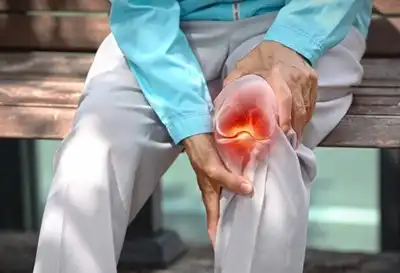
Arthritis is a broad term used to describe conditions that affect the joints and surrounding tissues. It can cause joint pain, stiffness, swelling, reduced movement, and difficulty performing everyday activities. Arthritis may affect a single joint or multiple joints and can develop gradually or appear more suddenly, depending on the underlying condition.
There are many different types of arthritis. Some occur due to wear and tear of the joints, while others are related to inflammation, autoimmune conditions, infections, metabolic disorders, or other medical causes.
Early diagnosis is important because the treatment and long-term management of arthritis depend on its specific type and cause.
What is Arthritis?
Arthritis refers to inflammation or damage affecting one or more joints. A joint is the area where two or more bones meet and allows movement of different parts of the body.
Depending on the type of arthritis, the condition may affect:
- Joint cartilage
- Bones
- Joint lining
- Ligaments
- Tendons
- Muscles surrounding the joints
- Other tissues and organs in some inflammatory conditions
Arthritis can affect people differently. Some may experience mild occasional discomfort, while others may develop persistent pain, stiffness, swelling, and reduced mobility.
What are the Symptoms of Arthritis?
The symptoms of arthritis vary according to the type of condition and the joints involved.
Common symptoms include:
- Joint pain
- Joint stiffness
- Swelling around the joints
- Tenderness
- Warmth over the affected joint
- Redness in some cases
- Reduced range of movement
- Difficulty walking or performing daily activities
- Weakness around the joint
- Clicking or grinding sensations
- Joint deformity in advanced cases
Some inflammatory forms of arthritis may also cause symptoms such as:
- Persistent fatigue
- Fever
- Loss of appetite
- Weight loss
- General feeling of illness
The severity of symptoms may change over time, with periods of worsening symptoms and periods of improvement in certain conditions.
Types of Arthritis
There are many types of arthritis. Some of the commonly recognized forms include:
Osteoarthritis
Osteoarthritis is one of the most common types of arthritis. It occurs when changes develop in the joint, including damage to cartilage and other joint structures.
It commonly affects the:
- Knees
- Hips
- Hands
- Spine
- Feet
Symptoms may include pain that worsens with activity, stiffness after periods of inactivity, reduced movement, and difficulty performing daily activities.
Rheumatoid Arthritis
Rheumatoid arthritis is an autoimmune inflammatory condition in which the immune system attacks the tissues surrounding the joints.
It can cause:
- Persistent joint pain
- Swelling
- Warmth
- Stiffness
- Reduced movement
Rheumatoid arthritis may affect multiple joints and often involves joints on both sides of the body. Early diagnosis and treatment are important to help control inflammation and reduce the risk of joint damage.
Psoriatic Arthritis
Psoriatic arthritis is an inflammatory form of arthritis associated with psoriasis. It can cause joint pain, swelling, stiffness, and inflammation of surrounding tissues.
Some people may also experience swollen fingers or toes, nail changes, and symptoms affecting the spine.
Gout
Gout is a type of inflammatory arthritis caused by the formation of uric acid crystals within a joint.
It can cause sudden episodes of:
- Severe joint pain
- Swelling
- Redness
- Warmth
- Extreme tenderness
Gout commonly affects the big toe but can also involve other joints.
Ankylosing Spondylitis
Ankylosing spondylitis is an inflammatory condition that primarily affects the spine and may cause chronic back pain and stiffness.
Some people may also experience symptoms involving other joints, eyes, or other parts of the body.
Juvenile Idiopathic Arthritis
Juvenile idiopathic arthritis refers to a group of inflammatory joint conditions that begin during childhood. It can cause persistent joint pain, swelling, and stiffness.
Infectious Arthritis
Infectious arthritis occurs when an infection affects a joint. It can cause sudden severe pain, swelling, warmth, and difficulty moving the affected joint.
This condition may require urgent medical treatment.
What are the Causes of Arthritis?
The causes of arthritis depend on the specific type.
Possible contributing factors include:
Wear and Tear
Repeated stress and age-related changes can contribute to joint damage and osteoarthritis.
Autoimmune Reactions
In conditions such as rheumatoid arthritis and psoriatic arthritis, the immune system mistakenly attacks healthy tissues.
Uric Acid Crystal Formation
High levels of uric acid can lead to crystal formation in joints and trigger gout attacks.
Genetic Factors
A family history of certain forms of arthritis may increase the risk.
Previous Joint Injury
Previous injuries may increase the risk of developing joint problems or osteoarthritis later in life.
Obesity
Excess body weight can place additional stress on weight-bearing joints, particularly the knees and hips.
Infection
Certain infections can directly affect joints or trigger inflammatory joint problems.
Lifestyle and Occupational Factors
Repetitive movements, physically demanding work, and certain activities may contribute to joint stress or injury.
Risk Factors for Arthritis
The risk of developing arthritis may increase due to:
- Increasing age
- Family history
- Previous joint injuries
- Obesity
- Repetitive joint stress
- Certain autoimmune conditions
- Psoriasis
- High uric acid levels
- Certain infections
- Smoking
- Physical inactivity
- Certain occupational activities
Which Joints Can Arthritis Affect?
Arthritis can affect almost any joint in the body.
Commonly affected areas include:
- Knees
- Hips
- Hands and fingers
- Wrists
- Shoulders
- Elbows
- Ankles
- Feet and toes
- Neck
- Lower back
- Spine
The pattern of joint involvement can sometimes help doctors identify the specific type of arthritis.
How is Arthritis Diagnosed?
Diagnosis usually begins with a detailed medical history and physical examination.
A healthcare professional may evaluate:
- Location of pain
- Duration of symptoms
- Joint stiffness
- Swelling
- Range of movement
- Pattern of joint involvement
- Family history
- Previous injuries
- Other symptoms affecting the skin, eyes, or internal organs
Further investigations may include:
- Blood tests
- Inflammatory marker tests
- Rheumatoid factor testing
- Anti-CCP antibody testing
- Uric acid testing
- X-rays
- Ultrasound
- MRI scans
- Joint fluid analysis in selected cases
The investigations required depend on the suspected type of arthritis.
Treatment for Arthritis
Treatment depends on the type, severity, affected joints, and underlying cause.
Medicines
Doctors may recommend different medicines depending on the diagnosis.
These may include:
- Pain-relieving medicines
- Anti-inflammatory medicines
- Disease-modifying medicines
- Biologic medicines
- Medicines to reduce uric acid
- Corticosteroids in selected cases
Medicines should be used according to medical advice.
Physiotherapy
Physiotherapy and guided exercises can help improve:
- Joint movement
- Muscle strength
- Flexibility
- Balance
- Physical function
A physiotherapist can recommend exercises appropriate for the affected joints and overall condition.
Weight Management
Maintaining a healthy body weight can reduce stress on weight-bearing joints such as the knees and hips.
Even gradual weight reduction may help improve mobility and reduce joint stress in some individuals.
Exercise
Regular, appropriate physical activity can help maintain joint movement and muscle strength.
Depending on the condition, suitable activities may include:
- Walking
- Swimming
- Cycling
- Stretching exercises
- Strengthening exercises
- Low-impact physical activity
Exercise plans should be adjusted according to the individual’s condition and physical ability.
Joint Protection
Avoiding excessive stress on painful joints and using supportive devices when recommended may help improve daily functioning.
Surgery
Surgery may be considered when significant joint damage causes severe pain or disability and other treatments have not provided sufficient relief.
Lifestyle Tips for Managing Arthritis
The following measures may support joint health and daily functioning:
- Stay physically active within your ability.
- Avoid prolonged inactivity.
- Maintain a healthy body weight.
- Follow a balanced diet.
- Perform stretching and strengthening exercises when appropriate.
- Use proper posture.
- Avoid repetitive strain when possible.
- Take regular breaks during physically demanding activities.
- Get adequate sleep.
- Avoid smoking.
- Follow the treatment plan recommended by your healthcare professional.
Lifestyle changes should be individualized because different types of arthritis may require different management approaches.
Homeopathic Treatment for Arthritis
Arthritis includes many different medical conditions, and the appropriate treatment depends on the specific diagnosis.
At Dr. Sanjay’s Homoeopathy, homeopathic we provide advanced Homeopathic Treatment for Arthritis. However, homeopathy should not replace appropriate medical diagnosis, prescribed medicines, physiotherapy, surgery, or specialist treatment.
This is particularly important for conditions such as rheumatoid arthritis, psoriatic arthritis, ankylosing spondylitis, gout, and infectious arthritis, which may require specific medical management.
Homeopathic Remedies for Arthritis
There is no scientifically established homeopathic medicine that can cure every type of arthritis.
In traditional homeopathic practice, medicines may be selected according to an individual’s symptom pattern, including:
- Location of joint pain
- Nature of pain
- Stiffness
- Swelling
- Factors that worsen symptoms
- Factors that provide relief
- Associated symptoms
- General health and medical history
Homeopathic care should be individualized and should not delay appropriate evaluation or treatment of inflammatory, infectious, or progressive joint disease.
Complications of Untreated Arthritis
Without appropriate management, some forms of arthritis can lead to:
- Persistent joint pain
- Reduced mobility
- Joint deformity
- Loss of joint function
- Muscle weakness
- Difficulty walking
- Reduced ability to perform daily activities
- Permanent joint damage
- Disability
Certain inflammatory forms of arthritis can also affect organs and other body systems, making early diagnosis and appropriate treatment important.
When Should You Consult a Doctor?
Medical evaluation is recommended if you experience:
- Persistent joint pain
- Joint swelling
- Morning stiffness
- Difficulty moving a joint
- Recurrent episodes of severe joint pain
- Redness and warmth around a joint
- Sudden severe joint pain
- Fever with joint pain or swelling
- Progressive reduction in mobility
- Joint pain that does not improve
Sudden severe joint pain associated with swelling, redness, warmth, or fever may indicate a serious condition, including infection, and requires prompt medical attention.
Frequently Asked Questions (FAQs)
What is arthritis?
Arthritis is a term used to describe conditions that affect the joints and surrounding tissues. It can cause pain, stiffness, swelling, and reduced movement.
What are the common symptoms of arthritis?
Common symptoms include joint pain, stiffness, swelling, tenderness, warmth, reduced movement, and difficulty performing daily activities.
What is the most common type of arthritis?
Osteoarthritis is one of the most common forms of arthritis. It involves changes and damage affecting the joint and commonly affects the knees, hips, hands, and spine.
Can arthritis affect young people?
Yes. Although some forms are more common with increasing age, inflammatory and autoimmune forms of arthritis can develop at different ages.
Can arthritis be cured?
The outlook depends on the type of arthritis. Some conditions can be effectively managed, while others may require long-term treatment to control symptoms, inflammation, and progression.
Can exercise help arthritis?
Appropriate exercise can help improve joint movement, muscle strength, flexibility, and overall physical function. The type of exercise should depend on the individual’s condition.
Does body weight affect arthritis?
Excess body weight can place additional stress on weight-bearing joints such as the knees and hips. Weight management may help reduce joint stress.
When should joint pain be taken seriously?
Joint pain should be medically evaluated when it is persistent, associated with swelling, redness, warmth, fever, severe stiffness, reduced mobility, or sudden severe symptoms.
Which doctor should diagnose arthritis?
Depending on the suspected type, arthritis may be evaluated by a general physician, orthopedic specialist, rheumatologist, or another appropriate healthcare professional.
Why Choose Dr. Sanjay’s Homoeopathy for Arthritis Treatment in Lucknow, India?
At Dr. Sanjay’s Homoeopathy, patients with chronic joint and musculoskeletal concerns receive individualized care under the guidance of Dr. Sanjay Singh, MD (Homoeopathy), who has over 22 years of experience. Each patient is assessed according to joint symptoms, duration of pain, stiffness, mobility, lifestyle factors, medical history, and overall health to develop a personalized supportive care approach. Because arthritis includes several conditions that may require medical diagnosis, disease-specific medicines, physiotherapy, or specialist treatment, the clinic emphasizes appropriate evaluation and does not recommend replacing necessary medical care with homeopathy. Homeopathic care, where considered appropriate, is complementary and should not substitute evidence-based treatment.