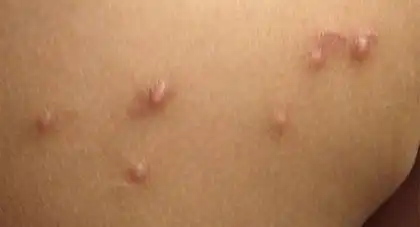
Warts in children are common, non-cancerous skin growths caused by the Human Papillomavirus (HPV). They can appear on the hands, feet, face, knees, elbows, or other parts of the body and often have a rough, raised surface. Although most warts are harmless and may disappear on their own over time, some can be painful, spread to other areas, or cause cosmetic concerns. Early diagnosis and appropriate treatment can help reduce discomfort, prevent the spread of infection, and improve skin health.
What are Warts in Children?
Warts are small skin growths that develop when the Human Papillomavirus (HPV) enters the skin through tiny cuts or abrasions. The virus causes rapid growth of the outer layer of the skin, resulting in a wart.
Warts are contagious and can spread through direct skin-to-skin contact or by sharing contaminated objects such as towels, footwear, or toys. However, not every child exposed to HPV develops warts, as individual immunity also plays a role.
What are the Symptoms of Warts in Children?
The appearance of warts depends on their type and location. Common symptoms include:
- Small, rough, raised skin growths
- Flesh-colored, white, brown, or gray bumps
- Rough or grainy surface
- Tiny black dots inside the wart (clotted blood vessels)
- Painless skin lesions in most cases
- Pain while walking if the wart is on the sole of the foot
- Itching or irritation around the wart (occasionally)
- Single or multiple warts
- Gradual increase in the number or size of warts
Parents should consult a doctor if the wart is painful, bleeds, changes in appearance, spreads rapidly, or interferes with daily activities.
What are the Causes of Warts in Children?
Warts are caused by infection with the Human Papillomavirus (HPV).
Common risk factors include:
Direct Skin Contact
Touching another person’s wart can spread the virus.
Shared Personal Items
Sharing towels, socks, shoes, nail clippers, or other personal items may transmit HPV.
Small Cuts or Skin Injuries
The virus enters through tiny breaks in the skin.
Weakened Immunity
Children with reduced immune function are more likely to develop multiple or persistent warts.
Walking Barefoot
Walking barefoot in public swimming pools, locker rooms, or communal showers increases the risk of plantar warts.
Which Children are at Higher Risk?
Children at higher risk include:
- School-going children
- Children who bite their nails or pick at their skin
- Children participating in swimming or contact sports
- Children with eczema or damaged skin
- Children with weakened immune systems
- Children with close family members who have warts
Types of Warts
Common Warts (Verruca Vulgaris)
Usually appear on the hands, fingers, knees, or elbows.
Plantar Warts
Develop on the soles of the feet and may be painful while walking.
Flat Warts
Small, smooth, flat-topped warts commonly found on the face, forehead, or arms.
Filiform Warts
Long, thin warts that commonly occur around the mouth, nose, or eyelids.
Periungual Warts
Develop around the fingernails or toenails and may affect nail growth.
How are Warts Diagnosed?
Doctors usually diagnose warts through a physical examination.
Additional investigations may include:
- Clinical skin examination
- Dermoscopy
- Skin biopsy in rare or unusual cases
- Evaluation of immune status if warts are extensive or recurrent
Most children do not require extensive testing.
Treatment for Warts in Children
Observation
Many childhood warts disappear naturally within one to two years as the immune system clears the virus.
Medical Treatment
Treatment options may include:
- Salicylic acid preparations
- Cryotherapy (freezing the wart)
- Electrocautery
- Laser therapy
- Minor surgical removal in selected cases
The choice of treatment depends on the type, size, number, and location of the warts.
Homeopathic Treatment
Homeopathy focuses on supporting the body’s natural healing processes, strengthening immunity, and promoting healthy skin. At Dr. Sanjay’s Homoeopathy, treatment is individualized according to the child’s skin condition, immune response, medical history, and constitutional profile. The clinic follows a holistic approach designed to complement dermatological care. Homeopathy should not replace evidence-based medical treatment when warts are painful, rapidly spreading, infected, or require procedural removal.
Homeopathic Remedies for Warts in Children
Homeopathic medicines are prescribed individually after a detailed assessment.
Thuja Occidentalis
Often considered for common and recurrent warts.
Causticum
May be recommended for large, hard, or long-standing warts.
Nitric Acid
Commonly considered for painful or fissured warts.
Antimonium Crudum
May be used for thick, hard plantar warts under professional supervision.
Dulcamara
Sometimes prescribed for warts that worsen in damp or cold weather.
Homeopathic treatment should always be supervised by a qualified physician and should complement appropriate dermatological care.
Complications of Untreated Warts
Although most warts are harmless, untreated warts may lead to:
- Spread to other areas of the body
- Transmission to other children
- Pain while walking (plantar warts)
- Cosmetic concerns
- Bleeding after repeated trauma
- Secondary bacterial infection
- Nail deformities with periungual warts
Early treatment can help reduce discomfort and limit the spread of infection.
How Can Parents Help Prevent Warts?
Parents can help by:
- Encouraging regular hand washing
- Discouraging children from picking or scratching warts
- Avoiding sharing towels, socks, shoes, or personal items
- Keeping cuts and scrapes clean and covered
- Encouraging footwear in public swimming pools and changing rooms
- Maintaining good skin hygiene
Frequently Asked Questions (FAQs)
What causes warts in children?
Warts are caused by infection with the Human Papillomavirus (HPV), which enters the skin through tiny cuts or abrasions.
Are warts contagious?
Yes. Warts can spread through direct skin contact or by sharing contaminated personal items.
Do childhood warts go away on their own?
Yes. Many warts disappear naturally over time as the child’s immune system clears the viral infection.
Can homeopathy help children with warts?
Homeopathy may support skin health and overall wellbeing as part of a comprehensive treatment plan alongside appropriate dermatological care.
When should parents consult a doctor?
Parents should seek medical evaluation if a wart is painful, bleeds, changes in appearance, spreads rapidly, becomes infected, or interferes with the child’s daily activities.
Why choose Dr. Sanjay’s Homoeopathy for Warts Treatment in Children in Lucknow, India?
At Dr. Sanjay’s Homoeopathy, children with recurrent skin conditions, including warts, receive advanced and holistic homeopathic care under the expert guidance of Dr. Sanjay Singh, MD (Homoeopathy), who has over 22 years of experience in treating pediatric skin disorders naturally. The clinic is trusted by families from Lucknow, across India, and internationally for its individualized treatment plans, detailed child evaluations, and compassionate care. Every child is assessed according to the type of wart, immune health, skin condition, medical history, and constitutional profile to provide personalized supportive care aimed at promoting healthy skin and overall wellbeing naturally. Dr. Sanjay’s Homoeopathy also emphasizes timely consultation with dermatologists whenever procedural treatment or further evaluation is required.