Overview
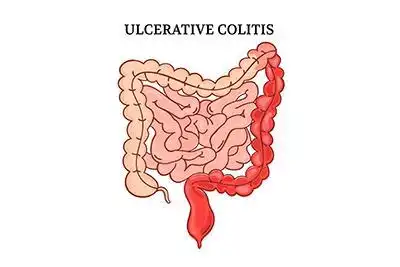
Ulcerative colitis is a long-term inflammatory disease that affects the large intestine, also known as the colon. It belongs to a group of conditions called inflammatory bowel diseases (IBD). In this condition, the inner lining of the colon becomes inflamed and develops small ulcers or sores. These ulcers can cause symptoms such as abdominal pain, diarrhea, and bleeding from the rectum.
The disease usually develops gradually and may become worse over time if not properly managed. Many people experience periods when symptoms become severe, followed by periods when the disease becomes less active. These periods are commonly referred to as flare-ups and remission.
Ulcerative colitis can affect people of any age, but it is often diagnosed in young adults between the ages of 15 and 35. Although it is considered a chronic condition, proper medical care, lifestyle changes, and supportive treatment can help control symptoms and improve quality of life.
Understanding the causes, symptoms, and treatment options for ulcerative colitis is important for managing the condition and preventing complications.
What is Ulcerative Colitis?
Ulcerative colitis is a chronic inflammatory condition that affects the inner lining of the colon and rectum. In this disease, the immune system mistakenly attacks the healthy tissues of the digestive tract, leading to inflammation and the formation of ulcers.
The inflammation usually begins in the rectum and may spread upward through the colon. Depending on how much of the colon is affected, the symptoms can range from mild to severe.
Because the colon plays an important role in absorbing water and forming stool, inflammation in this area can lead to frequent bowel movements, diarrhea, and abdominal discomfort.
Ulcerative colitis is different from other digestive disorders because it specifically affects the colon and involves continuous inflammation of the intestinal lining.
Types of Ulcerative Colitis
Ulcerative colitis can be classified based on the location of inflammation in the colon.
- Ulcerative Proctitis: In this type, inflammation is limited to the rectum. Symptoms are usually mild and may include rectal bleeding and discomfort.
- Proctosigmoiditis: This form affects the rectum and the lower part of the colon called the sigmoid colon. Symptoms may include diarrhea, abdominal cramps, and difficulty passing stool.
- Left-Sided Colitis: Inflammation spreads from the rectum through the left side of the colon. People with this type may experience weight loss, abdominal pain, and bloody diarrhea.
- Pancolitis: This is a more severe form that affects the entire colon. Symptoms can include severe diarrhea, fatigue, abdominal pain, and significant weight loss.
Causes of Ulcerative Colitis
The exact cause of ulcerative colitis is not fully understood. However, researchers believe that several factors may contribute to the development of the disease.
- Immune System Dysfunction: One of the main causes is believed to be an abnormal immune response. The immune system may mistakenly attack the lining of the colon, leading to inflammation.
- Genetic Factors: People with a family history of inflammatory bowel disease may have a higher risk of developing ulcerative colitis.
- Environmental Factors: Certain environmental triggers, such as infections, pollution, or dietary factors, may influence the development of the disease.
- Gut Microbiome Imbalance: Changes in the balance of bacteria in the digestive system may also contribute to inflammation in the colon.
- Stress: Although stress does not directly cause ulcerative colitis, it may worsen symptoms and trigger flare-ups.
Symptoms of Ulcerative Colitis
The symptoms of ulcerative colitis can vary depending on the severity of inflammation and the area of the colon affected.
Common symptoms include:
- Frequent diarrhea
- Blood or mucus in stool
- Abdominal pain and cramping
- Urgency to pass stool
- Rectal bleeding
- Fatigue and weakness
- Weight loss
- Loss of appetite
- Fever in severe cases
Some people may also experience symptoms outside the digestive system, such as joint pain, skin problems, or eye inflammation.
Complications of Ulcerative Colitis
If ulcerative colitis is not properly managed, it may lead to several complications.
- Severe Dehydration: Frequent diarrhea may lead to fluid loss and dehydration.
- Colon Damage: Long-term inflammation may damage the colon lining.
- Increased Risk of Colon Cancer: People with long-standing ulcerative colitis may have a higher risk of developing colon cancer.
- Severe Bleeding: Ulcers in the colon may cause continuous bleeding.
- Toxic Megacolon: This is a rare but serious complication in which the colon becomes severely swollen and unable to function properly.
Early diagnosis and regular medical care can help prevent these complications.
Diagnosis of Ulcerative Colitis
Doctors use several methods to diagnose ulcerative colitis.
- Medical History and Physical Examination: The doctor will ask about symptoms, medical history, and family history of digestive diseases.
- Stool Tests: Stool tests may help detect infection, inflammation, or blood in the stool.
- Blood Tests: Blood tests may help identify anemia or signs of inflammation.
- Colonoscopy: A colonoscopy allows doctors to examine the inside of the colon using a flexible camera. Tissue samples may also be taken for further examination.
- Imaging Tests: In some cases, imaging tests such as CT scans may be used to evaluate the condition of the colon.
Treatment of Ulcerative Colitis
The main goal of treatment is to reduce inflammation, control symptoms, and maintain long-term remission.
- Medications: Certain medications may help reduce inflammation and improve symptoms.
- Nutritional Support: Maintaining proper nutrition is important because digestive diseases may affect nutrient absorption.
- Stress Management: Relaxation techniques, exercise, and proper sleep may help reduce flare-ups.
- Surgery: In severe cases where medications are not effective, surgery may be recommended to remove the affected portion of the colon.
Homeopathic Treatment for Ulcerative Colitis
Homeopathy offers a holistic approach to managing chronic digestive disorders such as ulcerative colitis. Homeopathic treatment focuses on the individual symptoms, lifestyle, and overall health of the patient rather than only the disease itself.
Homeopathic medicines are selected according to the patient’s physical and emotional characteristics. These remedies may help support the body’s natural healing processes, improve digestive function, and reduce inflammation.
Many patients who experience recurrent digestive problems seek homeopathic treatment because it aims to provide gentle and long-term support for overall health.
When prescribed by a qualified homeopathic doctor, homeopathic medicines are generally safe and suitable for long-term use.
Diet and Lifestyle Tips for Ulcerative Colitis
Healthy lifestyle habits can help manage symptoms and reduce flare-ups.
- Eat Balanced Meals: Choose easily digestible foods and maintain a balanced diet.
- Avoid Trigger Foods: Certain foods, such as spicy, fried, or processed foods, may worsen symptoms.
- Stay Hydrated: Drink enough water to prevent dehydration caused by diarrhea.
- Manage Stress: Practice relaxation techniques such as meditation or deep breathing.
- Eat Small Frequent Meals: Smaller meals may be easier for the digestive system to handle.
- Get Adequate Rest: Proper sleep helps the body recover and maintain overall health.
When to See a Doctor
Medical attention should be sought if:
- There is persistent diarrhea with blood
- Severe abdominal pain occurs
- There is unexplained weight loss
- Fever and fatigue continue for several days
- Symptoms suddenly worsen
Early treatment can help prevent serious complications and improve quality of life.
Frequently Asked Questions (FAQs)
Is ulcerative colitis a lifelong disease?
Yes, ulcerative colitis is a chronic condition, but proper treatment and lifestyle management can help control symptoms and maintain long periods of remission.
Can stress worsen ulcerative colitis?
Stress may not directly cause the disease, but it can trigger flare-ups and worsen symptoms.
Is ulcerative colitis the same as Crohn’s disease?
Both are inflammatory bowel diseases, but ulcerative colitis affects only the colon, while Crohn’s disease can affect any part of the digestive tract.
Can diet affect ulcerative colitis?
Yes, certain foods may trigger symptoms, so maintaining a healthy and balanced diet is important.
Can homeopathy help with ulcerative colitis?
Homeopathic treatment may support digestive health and help manage symptoms when prescribed according to the patient’s individual condition.
Why choose Dr. Sanjay’s Homoeopathy for Ulcerative Colitis Treatment in Lucknow, India?
Dr. Sanjay’s Homoeopathy is a trusted clinic for safe and effective Ulcerative Colitis treatment in Lucknow, India. With more than 22 years of experience, Dr. Sanjay Singh, MD (Homoeopathy), provides specialized Ulcerative Colitis homeopathic treatment that helps manage abdominal pain, frequent diarrhea, blood or mucus in stool, fatigue, weight loss, and intestinal inflammation naturally without side effects. As a leading homeopathic doctor in Lucknow, he follows international treatment standards and offers a personalized approach that focuses on reducing intestinal inflammation, improving digestive health, strengthening immunity, and preventing disease flare-ups, making him the best homeopathic doctor for Ulcerative Colitis in Lucknow. Patients from across India and around the world choose Dr. Sanjay’s Homoeopathy for its holistic healing, long-lasting relief, and compassionate care in managing chronic digestive conditions like Ulcerative Colitis.