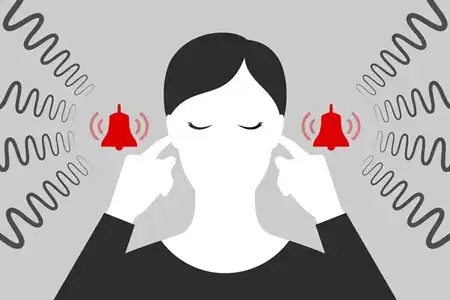
What is Tinnitus (Ringing in Ears)?
Tinnitus is a condition in which a person hears sounds in the ears even when there is no external sound present. These sounds are often described as ringing, buzzing, humming, whistling, or clicking noises inside the ear.
Tinnitus is not a disease itself but a symptom that indicates a problem in the ear or the hearing system. The sound may be heard in one ear or both ears and may be constant or occasional.
Some people experience mild tinnitus that lasts only a short time, while others may have persistent tinnitus that affects concentration, sleep, and overall quality of life.
Tinnitus can affect people of all ages, but it is more common in older adults and individuals exposed to loud noises.
How does Tinnitus start?
Tinnitus may start gradually or suddenly. Some people first notice the sound while sitting in a quiet environment or trying to sleep at night.
The sound may begin after:
- Exposure to Loud Noise
- Ear Infection
- Head Injury
- Sudden Hearing Loss
- Excess Earwax
- Stress or Anxiety
In many cases, tinnitus becomes noticeable when the surrounding environment is quiet because there are no external sounds to mask the internal noise.
Types of Tinnitus
Tinnitus is generally classified into two main types.
- Subjective Tinnitus: This is the most common type. Only the person experiencing tinnitus can hear the sound. It is usually caused by problems in the inner ear or hearing nerves.
- Objective Tinnitus: This type is rare. The sound may be heard by a doctor during an examination. It may occur due to blood vessel abnormalities or muscle spasms near the ear.
Common Symptoms of Tinnitus
- Ringing sound in the ears
- Buzzing noise in the ear
- Humming or whistling sound
- Clicking sound
- Difficulty concentrating
- Sleep disturbances
- Irritation or frustration
- Hearing difficulty in some cases
The intensity of the sound may vary from mild to severe.
What causes Tinnitus?
There are several possible causes of tinnitus.
Local Causes
- Exposure to loud noise
- Earwax blockage
- Ear infection
- Middle ear problems
- Hearing loss
- Eardrum damage
General Causes
- High blood pressure
- Diabetes
- Stress and anxiety
- Head or neck injury
- Certain medications
- Age-related hearing changes
Sometimes tinnitus may occur without an identifiable cause.
Why is Tinnitus common with Hearing Loss?
The inner ear contains tiny hair cells that convert sound waves into nerve signals for the brain. When these cells are damaged due to aging or noise exposure, the brain may receive incomplete signals.
As a result, the brain may create phantom sounds, which are perceived as tinnitus.
This is why tinnitus often occurs along with hearing loss.
Who is more likely to get Tinnitus?
Tinnitus is more common in:
- Older adults
- People exposed to loud noise
- Workers in noisy environments
- Individuals with hearing loss
- People with chronic ear infections
- People experiencing high stress
Musicians, factory workers, and construction workers may also have a higher risk.
Is Tinnitus serious?
Tinnitus itself is usually not life-threatening, but it can significantly affect quality of life.
If tinnitus is severe, it may lead to:
- Sleep disturbances
- Difficulty concentrating
- Anxiety
- Depression
- Reduced productivity
Sudden tinnitus accompanied by hearing loss should be evaluated immediately.
How is Tinnitus diagnosed?
Doctors diagnose tinnitus through:
- Medical history
- Ear examination
- Hearing tests (audiometry)
- Tuning fork tests
- Imaging tests if necessary
These tests help determine the cause and severity of tinnitus.
Immediate Care if Tinnitus starts suddenly
If tinnitus begins suddenly:
- Avoid loud noise exposure
- Avoid inserting objects into the ear
- Seek medical evaluation
- Reduce stress
- Get adequate rest
Early assessment helps prevent complications.
Conventional Treatment for Tinnitus
Treatment depends on the underlying cause.
- Earwax removal
- Treating ear infections
- Hearing aids
- Sound therapy
- Medication for associated conditions
- Stress management
While there is no universal cure, treatment can help reduce symptoms.
Homeopathic Treatment for Tinnitus in Lucknow
Homeopathy offers a gentle and holistic approach to managing tinnitus. Instead of only suppressing symptoms, homeopathy focuses on improving nerve health, circulation to the ear, and strengthening the body’s overall balance.
Homeopathic treatment helps in:
- Reducing ringing sensation
- Managing ear nerve sensitivity
- Improving blood circulation to ear structures
- Reducing associated stress and anxiety
- Supporting ear health naturally
Each patient receives individualized treatment based on:
- Type of tinnitus sound
- Duration of symptoms
- Associated hearing problems
- General health condition
- Emotional stress factors
This personalised approach aims to support long-term improvement.
Common Homeopathic Medicines for Tinnitus
(Prescribed only after proper medical evaluation)
- Chininum Sulphuricum – For ringing and buzzing sounds
- Salicylic Acid – For tinnitus associated with hearing issues
- Kali Mur – For middle ear problems
- Graphites – For chronic ear conditions
- Phosphorus – For nerve-related hearing problems
Medicine selection depends on complete symptom analysis.
Benefits of Homeopathic Treatment
- Natural and safe
- No harmful side effects
- Supports nerve health
- Improves ear circulation
- Helps reduce recurrence
- Suitable for long-term use
Diet and Lifestyle Tips to Prevent Tinnitus
- Avoid loud noise exposure
- Limit headphone use
- Manage stress
- Control blood pressure
- Avoid excessive caffeine
- Maintain healthy sleep habits
- Exercise regularly
- Protect your ears in noisy environments
Healthy lifestyle habits help protect hearing.
Can Tinnitus be prevented?
Some cases can be prevented by:
- Protecting ears from loud noise
- Treating ear infections early
- Managing chronic diseases
- Reducing stress levels
- Avoiding unnecessary medications
Although age-related tinnitus cannot always be prevented, healthy habits can reduce its severity.
Frequently Asked Questions
Is tinnitus permanent?
It depends on the underlying cause.
Can stress cause tinnitus?
Yes, stress can worsen tinnitus symptoms.
Is tinnitus linked with hearing loss?
Often, tinnitus occurs along with hearing loss.
Is homeopathy safe for tinnitus?
Yes, when taken under expert medical guidance.
Why choose Dr. Sanjay’s Homoeopathy for Tinnitus Treatment in Lucknow, India?
Dr. Sanjay’s Homoeopathy is a trusted clinic for safe and effective Tinnitus treatment in Lucknow, India. With more than 22 years of experience, Dr. Sanjay Singh, MD (Homoeopathy), provides specialized homeopathy treatment that helps manage ringing in the ears, buzzing sounds, ear pressure, hearing disturbances, dizziness, and nerve-related ear issues naturally without side effects. As a leading homeopathic doctor in Lucknow, he follows international treatment standards and offers a personalized approach that focuses on calming auditory nerve irritation, improving inner ear function, reducing sound perception, and preventing recurrence, making him the best homeopathy doctor for Tinnitus in Lucknow. Patients from across India and around the world choose Dr. Sanjay’s Homoeopathy for its holistic healing, long-lasting relief, and compassionate care in managing ear conditions like Tinnitus.