Overview
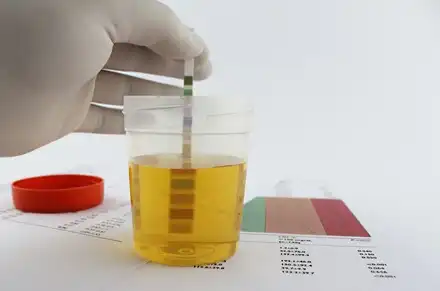
Proteinuria is a condition in which an abnormal amount of protein is present in the urine. Normally, the kidneys filter waste products from the blood while keeping essential substances like proteins inside the body. When the kidneys are not functioning properly, proteins may leak into the urine, leading to proteinuria.
Protein is important for maintaining body tissues, muscle strength, and overall health. Loss of protein through urine may indicate an underlying kidney problem or another medical condition. In some cases, proteinuria may be temporary and harmless, but in others, it may be a sign of a serious health issue.
Proteinuria can affect people of all age groups and is often detected through routine urine tests. Early diagnosis and proper management are important to protect kidney health and prevent complications.
What is Proteinuria?
Proteinuria refers to the presence of excess protein in the urine. The kidneys contain tiny filtering units called glomeruli, which prevent large molecules like protein from passing into the urine.
When these filters are damaged or not functioning properly, protein may leak into the urine. This can happen due to kidney diseases, infections, or other health conditions.
Proteinuria may be temporary or persistent. Temporary proteinuria may occur due to factors such as fever, stress, or heavy exercise. Persistent proteinuria may indicate a chronic kidney problem.
Causes of Proteinuria
Proteinuria can be caused by various conditions.
- Kidney Diseases: Diseases affecting the kidneys, such as glomerulonephritis or chronic kidney disease, are common causes.
- Diabetes: High blood sugar levels can damage kidney filters over time.
- High Blood Pressure: Hypertension may damage blood vessels in the kidneys.
- Infections: Urinary tract infections or systemic infections may cause protein leakage.
- Pregnancy: Some women may develop proteinuria during pregnancy.
- Stress or Exercise: Temporary proteinuria may occur after intense physical activity or stress.
- Autoimmune Disorders: Conditions such as lupus may affect kidney function.
Symptoms of Proteinuria
Proteinuria itself may not always cause noticeable symptoms. However, when protein loss becomes significant, symptoms may appear.
Common symptoms include:
- Foamy or frothy urine
- Swelling in the hands, feet, or face
- Fatigue
- Weight gain due to fluid retention
- Decreased appetite
- Weakness
In some cases, proteinuria may be detected only through laboratory tests.
Types of Proteinuria
Proteinuria can be classified into different types.
- Temporary Proteinuria: Occurs due to short-term factors such as stress, fever, or exercise.
- Persistent Proteinuria: Indicates ongoing kidney damage or chronic disease.
- Orthostatic Proteinuria: Occurs when protein is present in urine during the day but not at night, often seen in young individuals.
Risk Factors
Certain factors increase the risk of proteinuria.
Possible Complications
If untreated, proteinuria may lead to complications.
- Chronic Kidney Disease: Long-term protein loss may damage the kidneys.
- Nephrotic Syndrome: Severe protein loss may lead to swelling and other symptoms.
- Cardiovascular Problems: Kidney disease may increase the risk of heart disease.
- Fluid Retention: Excess fluid accumulation may cause swelling.
Diagnosis of Proteinuria
Doctors use several tests to diagnose proteinuria.
- Urine Test: A urine test measures protein levels.
- 24-Hour Urine Collection: This test measures total protein excretion over a day.
- Blood Tests: Blood tests evaluate kidney function.
- Imaging Tests: Ultrasound may help assess kidney structure.
Treatment of Proteinuria
Treatment depends on the underlying cause.
- Managing Blood Pressure: Controlling blood pressure helps protect the kidneys.
- Diabetes Control: Maintaining blood sugar levels reduces kidney damage.
- Medications: Doctors may prescribe medications to reduce protein loss.
- Lifestyle Changes: Healthy habits support kidney health.
Homeopathic Treatment for Proteinuria
Homeopathy offers a holistic approach to managing proteinuria by focusing on improving kidney function and overall health. Homeopathic treatment aims to reduce protein loss, support the kidneys, and address the underlying cause of the condition.
Remedies are selected based on individual symptoms, constitution, and medical history.
Common Homeopathic Remedies for Proteinuria
- Apis Mellifica – Often used when there is swelling in the body along with reduced urine output.
- Arsenicum Album – Helpful in cases with weakness, burning sensations, and kidney-related problems.
- Lycopodium Clavatum – Useful for urinary issues and digestive disturbances.
- Phosphorus – May be beneficial in kidney disorders with weakness and protein loss.
- Terebinthina – Often used in urinary conditions with irritation and kidney involvement.
Homeopathic treatment should be taken under professional guidance for best results.
Lifestyle Tips for Kidney Health
Healthy habits can help maintain kidney function.
- Stay Hydrated: Drink enough water daily.
- Eat a balanced diet: Include fruits, vegetables, and low-salt foods.
- Limit Salt Intake: Excess salt may increase blood pressure.
- Maintain Healthy Weight: Weight control supports kidney health.
- Avoid Smoking: Smoking may damage blood vessels.
When to See a Doctor
Medical attention should be sought if:
- Persistent foamy urine is noticed
- Swelling develops
- Fatigue increases
- Blood pressure is high
Early diagnosis helps prevent complications.
Frequently Asked Questions (FAQs)
What is proteinuria?
Proteinuria is the presence of excess protein in the urine.
What causes proteinuria?
It can be caused by kidney disease, diabetes, infections, or high blood pressure.
Is proteinuria serious?
It may be serious if it indicates kidney damage.
Can proteinuria be treated?
Yes, treatment depends on the underlying cause.
Can homeopathy help with proteinuria?
Homeopathic treatment may support kidney function and overall health when prescribed properly.
Why choose Dr. Sanjay’s Homoeopathy for Proteinuria Treatment in Lucknow, India?
Dr. Sanjay’s Homoeopathy is a trusted clinic for safe and effective Proteinuria treatment in Lucknow, India. With more than 22 years of experience, Dr. Sanjay Singh, MD (Homoeopathy), provides specialized Proteinuria homeopathy treatment that helps manage excess protein in urine, foamy urine, swelling, fatigue, kidney function imbalance, and related complications naturally without side effects. As a leading homeopathic doctor in Lucknow, he follows international treatment standards and offers a personalized approach that focuses on reducing protein leakage, improving kidney filtration, strengthening renal function, and preventing disease progression, making him the best homeopathic doctor for Proteinuria in Lucknow. Patients from across India and around the world choose Dr. Sanjay’s Homoeopathy for its holistic healing, long-lasting relief, and compassionate care in managing kidney conditions like Proteinuria.