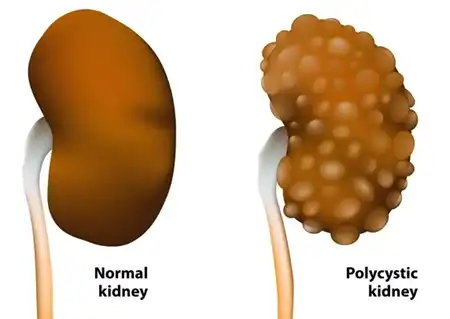
What is Polycystic Kidney Disease (PKD)?
Polycystic Kidney Disease, commonly known as PKD, is a genetic kidney disorder in which multiple fluid-filled cysts develop inside the kidneys. These cysts gradually increase in size and number, causing the kidneys to enlarge and lose their normal structure and function over time.
Unlike kidney stones or infections, PKD is usually inherited, meaning it runs in families. The cysts are not cancerous, but as they grow, they interfere with the kidney’s ability to filter waste from the blood.
PKD is a chronic, progressive condition, but with early diagnosis, proper medical care, lifestyle management, and supportive treatment, its complications can often be delayed.
Why are the kidneys affected in PKD?
Healthy kidneys filter waste, regulate fluid balance, control blood pressure, and support overall metabolism. In PKD, cysts form from kidney tubules due to abnormal cell growth. Over time:
- Normal kidney tissue gets compressed
- Blood flow inside the kidney reduces
- Filtering ability declines
- Kidney size increases abnormally
This gradual damage can eventually lead to chronic kidney disease (CKD) or kidney failure.
Types of Polycystic Kidney Disease
There are two main types of PKD.
- Autosomal Dominant Polycystic Kidney Disease (ADPKD): This is the most common form of PKD.
Key features:
- Usually appears in adulthood
- One affected parent can pass it to the child
- Symptoms often start between 30–50 years
- Progresses slowly
Many people with ADPKD live for years before diagnosis.
- Autosomal Recessive Polycystic Kidney Disease (ARPKD): This is a rare and severe form.
Key features:
- Appears in infancy or early childhood
- Both parents must carry the gene
- Often associated with liver problems
- More serious prognosis
What causes Polycystic Kidney Disease?
PKD is caused by genetic mutations that affect kidney cell growth.
Common contributing factors include:
- Family history of PKD
- Genetic inheritance
- Abnormal kidney cell development
Lifestyle does not cause PKD, but a poor lifestyle can worsen its progression.
Common Symptoms of Polycystic Kidney Disease
In the early stages, PKD may cause no symptoms. As cysts grow, symptoms may include:
- Dull pain in the back, sides, or abdomen
- Enlarged abdomen
- Frequent urination
- Blood in urine
- High blood pressure
- Fatigue and weakness
- Kidney infections
- Kidney stones
- Headaches
Symptoms usually worsen gradually over time.
How does PKD affect other organs?
PKD does not affect the kidneys alone. It can also affect:
- Liver: Many patients develop liver cysts, especially women.
- Blood Vessels: Weak blood vessel walls may lead to brain aneurysms (rare but serious).
- Heart: Heart valve problems may occur in some patients.
- Digestive System: Abdominal fullness and discomfort may occur due to enlarged kidneys or liver.
Is Polycystic Kidney Disease serious?
Yes, PKD is a serious long-term condition, but its progression varies from person to person.
Possible complications include:
- Chronic kidney disease
- High blood pressure
- Recurrent kidney infections
- Kidney stones
- Kidney failure (in advanced cases)
Many patients, however, maintain kidney function for decades with proper care.
How is Polycystic Kidney Disease diagnosed?
PKD is diagnosed using:
- Ultrasound of the kidneys
- CT scan or MRI (to detect cysts)
- Blood tests (kidney function)
- Urine tests
- Family history evaluation
Early diagnosis helps in better long-term planning.
Stages of Kidney Damage in PKD
PKD often progresses into CKD stages:
- Early stage: Normal kidney function
- Moderate stage: Reduced filtration
- Advanced stage: Significant kidney damage
- End stage: Dialysis or transplant may be required
Not all patients with PKD progress to kidney failure.
Conventional medical management of PKD
There is no complete cure for PKD in modern medicine. Treatment focuses on slowing progression and managing complications.
This may include:
- Blood pressure control
- Pain management
- Treating infections promptly
- Managing kidney stones
- Monitoring cyst growth
- Dialysis or transplant in advanced cases
Regular follow-ups are essential.
Role of Diet in Polycystic Kidney Disease
Diet plays an important role in protecting kidney health.
Recommended dietary measures
- Low salt intake
- Adequate hydration (as advised)
- Controlled protein intake
- Balanced nutrition
- Avoiding processed foods
Diet should always be personalised based on kidney function.
Lifestyle Changes for PKD Patients
Helpful habits include:
- Controlling blood pressure
- Maintaining a healthy weight
- Avoiding smoking and alcohol
- Regular light exercise
- Managing stress
- Avoiding unnecessary painkillers
These steps help reduce kidney stress.
Homeopathic Treatment for Polycystic Kidney Disease in Lucknow
Homeopathy offers an effective and holistic approach for patients with Polycystic Kidney Disease. It focuses on supporting remaining kidney function, reducing symptom burden, and improving overall quality of life.
Homeopathic care may help by:
- Supporting kidney function
- Reducing pain and discomfort
- Managing urinary symptoms
- Supporting blood pressure balance
- Improving energy and appetite
- Supporting emotional well-being
Treatment is individualised, based on:
- Stage of disease
- Kidney function
- Associated conditions
- Emotional and physical strength
Common Homeopathic Medicines Used
(Prescribed only after proper medical evaluation)
- Apis Mellifica – Swelling and fluid retention
- Solidago – Kidney weakness and urinary issues
- Berberis Vulgaris – Kidney pain and discomfort
- Arsenicum Album – Weakness and toxin accumulation symptoms
- Plumbum Metallicum – Advanced kidney weakness
Benefits of Homeopathic Support
- Gentle and non-toxic
- Can be used alongside conventional care
- Helps manage symptoms
- Improves comfort and stamina
- Supports long-term care
- Enhances quality of life
Emotional Impact of PKD
Living with a genetic kidney disorder can cause:
- Anxiety about the future
- Fear of dialysis
- Emotional stress
- Family concerns
Counselling, awareness, and emotional support play a major role in coping with PKD.
Can Polycystic Kidney Disease progression be slowed?
Yes, progression can often be slowed by:
- Early diagnosis
- Strict blood pressure control
- Healthy diet
- Regular monitoring
- Avoiding kidney-toxic substances
- Supportive therapies
Consistency in care is extremely important.
Frequently Asked Questions
Is Polycystic Kidney Disease curable?
No, PKD is not curable, but progression can be slowed.
Will all PKD patients need dialysis?
No. Many patients never reach kidney failure.
Is PKD hereditary?
Yes, most cases are inherited.
Is homeopathy safe in PKD?
Yes, as supportive care under expert supervision.
Why choose Dr. Sanjay’s Homoeopathy for Polycystic Kidney Disease (PKD) Treatment in Lucknow, India?
Dr. Sanjay’s Homoeopathy is a trusted clinic for safe and effective Polycystic Kidney Disease (PKD) treatment in Lucknow, India. With more than 22 years of experience, Dr. Sanjay Singh, MD (Homoeopathy), provides specialized homeopathy treatment that helps manage kidney cyst growth, abdominal and flank pain, high blood pressure, frequent urination, fatigue, and declining kidney function naturally without side effects. As a leading homeopathic doctor in Lucknow, he follows international treatment standards and offers a personalized approach that focuses on supporting kidney health, slowing disease progression, reducing complications, and improving overall quality of life, making him the best homeopathy doctor for Polycystic Kidney Disease in Lucknow. Patients from across India and around the world choose Dr. Sanjay’s Homoeopathy for its holistic healing, long-lasting relief, and compassionate care in managing chronic genetic kidney conditions like Polycystic Kidney Disease (PKD).