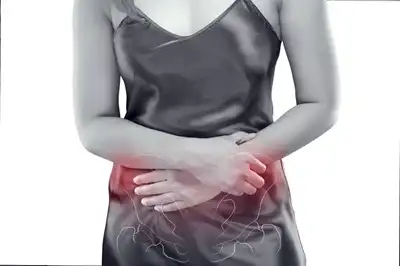
What is Pelvic Floor Dysfunction?
Pelvic Floor Dysfunction is a condition in which the pelvic floor muscles do not work properly. The pelvic floor is a group of muscles and connective tissues that form a supportive base at the bottom of the pelvis. These muscles support important organs such as the bladder, uterus (in women), prostate (in men), and rectum.
When these muscles become weak, tight, uncoordinated, or overactive, they fail to relax or contract at the right time. This leads to problems with urination, bowel movements, sexual function, and pelvic organ support.
Pelvic floor dysfunction can affect both men and women, though it is more commonly diagnosed in women.
Why is the Pelvic Floor Important?
The pelvic floor muscles play several vital roles:
- Support pelvic organs
- Control urine and stool passage
- Maintain bowel and bladder control
- Support sexual function
- Stabilise the pelvis and spine
If these muscles stop functioning properly, everyday activities like passing urine, stool, or even sitting comfortably can become difficult.
Types of Pelvic Floor Dysfunction
Pelvic floor dysfunction can present in different ways depending on muscle behavior.
- Weak Pelvic Floor Muscles
This leads to:
- Urinary leakage
- Fecal incontinence
- Pelvic organ prolapse
Common in women after childbirth and in elderly individuals.
- Overactive or Tight Pelvic Floor Muscles
Here, muscles do not relax properly.
This can cause:
- Difficulty passing urine or stool
- Chronic pelvic pain
- Pain during intercourse
- Incoordination of Pelvic Muscles
Muscles contract when they should relax, leading to:
- Constipation
- Incomplete bowel evacuation
- Straining
What causes Pelvic Floor Dysfunction?
Pelvic floor dysfunction develops due to muscle damage, weakness, or nerve problems.
Common Causes Include
- Pregnancy and childbirth
- Chronic constipation and straining
- Pelvic surgery
- Aging
- Obesity
- Chronic coughing
- Hormonal changes (menopause)
- Trauma or injury
- Stress and anxiety
In men, prostate surgery is a common contributing factor.
Who is at risk of Pelvic Floor Dysfunction?
People at higher risk include:
- Women after normal or multiple deliveries
- Postmenopausal women
- Elderly individuals
- People with chronic constipation
- Individuals with obesity
- Patients with neurological disorders
Common Symptoms of Pelvic Floor Dysfunction
Symptoms vary widely depending on which muscles are affected.
Urinary Symptoms
- Difficulty starting urination
- Frequent urination
- Urinary leakage
- Incomplete bladder emptying
Bowel Symptoms
- Chronic constipation
- Straining during bowel movements
- Feeling of incomplete evacuation
- Rectal pain or pressure
Pelvic Symptoms
- Pelvic pain or heaviness
- Lower abdominal discomfort
- Pain while sitting
Sexual Symptoms
- Pain during intercourse
- Reduced sexual satisfaction
How does Pelvic Floor Dysfunction affect daily life?
Pelvic floor dysfunction can significantly impact quality of life by causing:
- Embarrassment
- Social withdrawal
- Anxiety and stress
- Sleep disturbance
- Reduced confidence
Because symptoms are intimate, many patients delay seeking help.
Is Pelvic Floor Dysfunction serious?
Pelvic floor dysfunction is not life-threatening, but it can become chronic and disabling if left untreated. Early identification and supportive care can prevent complications such as:
- Pelvic organ prolapse
- Chronic constipation
- Urinary infections
- Sexual dysfunction
How is Pelvic Floor Dysfunction diagnosed?
Diagnosis involves a detailed evaluation:
- Medical history
- Physical examination
- Pelvic examination
- Assessment of bowel and bladder habits
- Imaging or functional tests (if needed)
Diagnosis focuses on identifying muscle strength, coordination, and relaxation ability.
Conventional Medical Management of Pelvic Floor Dysfunction
Conventional treatment depends on the type and severity.
Common approaches include:
- Pelvic floor physiotherapy
- Biofeedback therapy
- Medications (for pain or bladder symptoms)
- Lifestyle and bowel training
- Surgery (in severe cases)
Many patients prefer non-invasive and long-term supportive options.
Role of Lifestyle in Pelvic Floor Dysfunction
Lifestyle habits play a major role in both development and recovery.
Helpful measures include:
- Avoiding excessive straining
- Managing constipation
- Maintaining a healthy weight
- Practicing good posture
- Managing stress
Small daily changes often bring significant improvement.
Homeopathic Treatment for Pelvic Floor Dysfunction in Lucknow
Homeopathy offers a gentle, holistic, and supportive approach for managing pelvic floor dysfunction. Homeopathic treatment focuses on strengthening muscles, improving nerve coordination, reducing pain, and balancing the body as a whole.
Homeopathic care may help in:
- Improving pelvic muscle tone
- Reducing chronic pelvic pain
- Managing urinary and bowel symptoms
- Supporting nerve-muscle coordination
- Reducing anxiety and stress
Treatment is individualised, based on:
- Type of pelvic floor dysfunction
- Symptoms
- Age and gender
- Hormonal status
- Emotional and physical constitution
Common Homeopathic Medicines Used
(Prescribed only after proper medical evaluation)
- Sepia – Pelvic weakness and prolapse sensation
- Lilium Tigrinum – Pelvic heaviness and dragging pain
- Calcarea Carbonica – Muscle weakness and obesity-related issues
- Ignatia – Stress-related pelvic symptoms
- Nux Vomica – Constipation and muscle spasm
Benefits of Homeopathic Support
- Natural and non-toxic
- Safe for long-term use
- Helps reduce recurrence
- Supports muscle and nerve health
- Improves overall comfort
- Enhances quality of life
Pelvic Floor Exercises and Rehabilitation
Pelvic floor exercises, such as Kegel exercises, are important for strengthening muscles. When combined with proper guidance and supportive care, they help restore muscle coordination and control.
Exercises should be done under professional guidance to avoid over-tightening.
Pelvic Floor Dysfunction in Women
In women, pelvic floor dysfunction is often linked to:
- Pregnancy and childbirth
- Menopause
- Pelvic organ prolapse
Early care helps prevent long-term complications.
Pelvic Floor Dysfunction in Men
In men, pelvic floor dysfunction may be associated with:
- Prostate surgery
- Chronic pelvic pain
- Urinary issues
Supportive care helps restore comfort and confidence.
Emotional Impact of Pelvic Floor Dysfunction
Living with pelvic floor dysfunction can lead to:
- Anxiety
- Depression
- Low self-esteem
Open communication, counselling, and holistic care are essential parts of healing.
Can Pelvic Floor Dysfunction be prevented?
Many cases can be prevented by:
- Avoiding chronic constipation
- Practising pelvic floor exercises
- Maintaining a healthy weight
- Managing stress
- Seeking early medical advice
Frequently Asked Questions
Is pelvic floor dysfunction curable?
Many cases improve significantly with proper treatment and lifestyle changes.
Can pelvic floor dysfunction affect both genders?
Yes, it affects both men and women.
Is homeopathy safe for pelvic floor dysfunction?
Yes, as supportive care under expert supervision.
How long does recovery take?
Recovery varies depending on the cause and severity.
Why choose Dr. Sanjay’s Homoeopathy for Pelvic Floor Dysfunction Treatment in Lucknow, India?
Dr. Sanjay’s Homoeopathy is a trusted clinic for safe and effective Pelvic Floor Dysfunction treatment in Lucknow, India. With more than 22 years of experience, Dr. Sanjay Singh, MD (Homoeopathy), provides specialized homeopathy treatment that helps manage pelvic pain, urinary or bowel control issues, pressure or heaviness, discomfort during sitting or intercourse, and muscle weakness naturally without side effects. As a leading homeopathic doctor in Lucknow, he follows international treatment standards and offers a personalized approach that focuses on strengthening pelvic floor muscles, improving nerve coordination, restoring bladder and bowel function, and preventing recurrence, making him the best homeopathy doctor for Pelvic Floor Dysfunction in Lucknow. Patients from across India and around the world choose Dr. Sanjay’s Homoeopathy for its holistic healing, long-lasting relief, and compassionate care in managing complex pelvic health conditions like Pelvic Floor Dysfunction.