Pediatric varicose veins are enlarged, twisted or unusually prominent veins that appear in children or teenagers. Varicose veins are much less common in children than in adults, so visible enlarged veins in a child should be properly evaluated rather than assumed to be ordinary varicose veins.
In children, prominent veins can sometimes be related to venous malformations, congenital vascular conditions, problems with blood flow, or other underlying conditions. Venous malformations may be present from birth but become more noticeable as a child grows. They can appear bluish, feel soft or compressible, and may become more prominent when the affected limb is lower.
What are Pediatric Varicose Veins?
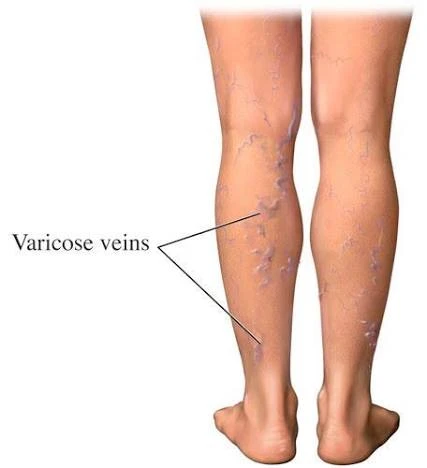
Varicose veins are veins that become enlarged and twisted because blood is not flowing normally through them.
In adults, weakened vein valves and increased pressure in the leg veins are common causes. In children, however, true varicose veins are uncommon, and a doctor may need to look for an underlying vascular or venous problem.
A child may have:
- Prominent or bulging veins
- Bluish or purple veins
- Swelling of one leg
- Pain or heaviness
- Skin color changes
- A soft or compressible vascular swelling
- Symptoms that become more noticeable after standing or physical activity
Some children with venous malformations may have symptoms for years before the condition is properly identified.
What are the Symptoms of Varicose Veins in Childrens?
Symptoms depend on the underlying cause.
Common signs may include:
- Visible enlarged veins
- Twisted or rope-like veins
- Blue or purple discoloration
- Swelling of the leg or foot
- Pain or aching
- A feeling of heaviness
- Tiredness in the affected limb
- Skin changes
- Tenderness around the abnormal veins
- Symptoms that become worse after prolonged standing
A venous malformation may appear as a soft, bluish swelling that becomes larger when the limb is dependent and smaller when it is elevated.
What are the causes of Varicose Veins in Children?
Pediatric varicose veins can have different causes.
Venous Malformations
A venous malformation is an abnormal development of veins. It may be present at birth but become more noticeable as the child grows.
Congenital Vascular Conditions
Some children are born with abnormalities involving veins, arteries, lymphatic vessels, or combinations of these blood vessels. These conditions can affect blood flow and cause visible vascular changes.
Abnormal Venous Blood Flow
Problems with the way blood returns from the legs toward the heart can sometimes contribute to enlarged veins.
Family History
A family history of vein problems may contribute to susceptibility, although prominent veins in a child should still be evaluated for other causes.
Previous Injury or Surgery
In some cases, previous injury or procedures involving the leg can affect normal blood flow.
Pediatric Varicose Veins vs. Venous Malformation
These conditions can look similar but are not necessarily the same.
Varicose veins are enlarged veins that usually develop because of abnormal pressure or backward flow of blood.
Venous malformations are structural abnormalities of veins that develop during the formation of blood vessels. They may be present from birth and can slowly become more noticeable as the child grows.
Because of this difference, a child with prominent veins may need assessment by a pediatric vascular or other appropriate specialist.
Who Can Develop Pediatric Varicose Veins?
Pediatric venous problems can occur in children of different ages.
The condition may be more noticeable in children who have:
- Congenital vascular abnormalities
- Venous malformations
- A family history of venous problems
- Previous vascular injury
- Certain overgrowth syndromes
- Problems affecting blood circulation
Some vascular malformations are associated with excessive growth of a limb or body part and may require specialist evaluation.
Diagnosis of Pediatric Varicose Veins
The first step is a detailed medical history and physical examination.
The doctor may look at:
- Location of the visible veins
- Color of the skin
- Size of the affected area
- Whether the swelling changes with position
- Presence of pain
- Difference in size between limbs
- Skin changes
- Previous injuries or procedures
- Other vascular abnormalities
Doppler Ultrasound
A duplex or Doppler ultrasound can assess the structure of the veins and blood flow. It is commonly used when evaluating venous problems.
MRI
If a venous malformation or deeper vascular abnormality is suspected, an MRI may be recommended to determine its size and extent.
Additional imaging may be required depending on the child’s symptoms and suspected condition.
Treatment of Pediatric Varicose Veins
Treatment depends on the underlying cause, symptoms, age of the child, and extent of the venous problem.
A child with a small, uncomplicated vascular abnormality may only require observation.
Other children may need active treatment.
Observation
Some vascular abnormalities can be monitored regularly when they are not causing significant symptoms or complications.
Compression Therapy
Compression garments may be recommended for some venous malformations or chronic swelling. They can help support venous and lymphatic circulation.
Compression should be used only with appropriate medical guidance in children.
Sclerotherapy
Sclerotherapy involves injecting a medicine into an abnormal vein or venous malformation to reduce or close the abnormal vessel.
It is used in selected pediatric venous malformations depending on their location and characteristics.
Surgery
Surgery may be considered for selected children when an abnormal vein or vascular malformation can be safely removed or when other treatments are not suitable.
Specialist Treatment
Some complex vascular malformations require care from a multidisciplinary vascular anomalies team. Treatment may involve pediatric specialists, vascular specialists, interventional radiologists, surgeons, and other professionals depending on the condition.
Homeopathic Treatment for Pediatric Varicose Veins
Some parents seek homeopathic treatment for pediatric varicose veins for symptoms such as leg discomfort, heaviness, swelling, or visible veins.
Homeopathic consultation may be considered as complementary care based on the child’s symptoms and overall condition. However, prominent veins in a child should first be properly evaluated because they can sometimes indicate a venous malformation or another vascular abnormality.
Homeopathy should not replace Doppler ultrasound, MRI, vascular evaluation, compression therapy, sclerotherapy, surgery, or other treatment when these are medically indicated.
Homeopathic Remedies for Varicose Veins in Children
Depending on the individual symptom pattern, homeopathic practitioners may traditionally consider remedies such as:
- Hamamelis – traditionally associated with venous congestion and soreness.
- Pulsatilla – traditionally considered for certain venous complaints.
- Aesculus Hippocastanum – traditionally associated with heaviness and discomfort in the legs.
- Calcarea Fluorica – traditionally considered for certain vein and connective-tissue complaints.
- Vipera – traditionally associated with painful, congested veins and symptoms aggravated by hanging the limb down.
The appropriate remedy should be selected by a qualified homeopathic practitioner after assessing the child’s symptoms and medical history.
Lifestyle and Daily Care
For children with venous problems, everyday care may include:
Encourage Appropriate Physical Activity
Regular age-appropriate movement can support healthy circulation. The child’s activity should be adjusted according to the underlying vascular condition and medical advice.
Avoid Prolonged Sitting or Standing
If symptoms become worse after remaining in one position for a long time, encourage regular movement and position changes.
Elevate the Leg When Advised
For children with swelling, a healthcare professional may recommend elevating the affected limb.
Protect the Skin
If there is a vascular malformation or significant swelling, protect the affected skin from injuries and seek medical attention for wounds or unusual skin changes.
Possible Complications
Most visible veins do not automatically mean that a child has a serious condition. However, certain venous malformations can cause complications.
These may include:
- Pain
- Swelling
- Blood clot formation within abnormal veins
- Bleeding
- Skin changes
- Functional problems
- Problems involving nearby muscles or bones
Venous malformations can sometimes become painful because blood clots form within abnormal vessels.
When Should Parents See a Doctor?
Parents should arrange medical evaluation if a child develops:
- New bulging veins
- Persistent swelling of one leg
- Painful veins
- A bluish or purple vascular swelling
- A lump that becomes larger when the limb is lowered
- Repeated swelling
- Skin discoloration
- Sudden increase in the size of a vascular swelling
- Bleeding from an abnormal vein
- Significant pain or difficulty walking
Sudden swelling, severe pain, breathing difficulty, or other acute symptoms require prompt medical attention.
Frequently Asked Questions
Can children get varicose veins?
Yes, but true varicose veins are much less common in children than in adults. Visible veins in a child may sometimes be related to a congenital venous problem or venous malformation.
What causes varicose veins in children?
Possible causes include venous malformations, congenital vascular conditions, abnormal venous blood flow, previous injury, and other vascular problems.
Are prominent veins in children always varicose veins?
No. Prominent veins can have several causes. A venous malformation, for example, can appear as a soft, bluish and compressible vascular swelling.
Can pediatric varicose veins cause pain?
Yes. Some children may experience aching, heaviness, tenderness, or pain. Venous malformations can also become painful when clotting occurs inside abnormal vessels.
How are pediatric varicose veins diagnosed?
A doctor may perform a physical examination and Doppler or duplex ultrasound. MRI may be required when a deeper venous malformation or vascular abnormality is suspected.
Can pediatric varicose veins be treated without surgery?
In selected cases, observation, compression therapy, and other non-surgical approaches may be appropriate. Some venous malformations can also be treated with sclerotherapy.
Is surgery always required?
No. Treatment depends on the underlying condition and its severity. Some children only require monitoring, while others may benefit from procedures such as sclerotherapy or surgery.
Can homeopathy treat pediatric varicose veins?
Some families seek homeopathic care for associated symptoms, but homeopathy should not replace proper evaluation of a child’s venous or vascular abnormality or medically indicated treatment.
Why choose Dr. Sanjay’s Homoeopathy for Pediatric Varicose Veins Treatment in Lucknow, India?
Dr. Sanjay’s Homoeopathy is a trusted clinic for Pediatric Varicose Veins Treatment in Lucknow, India. With more than 22 years of experience, Dr. Sanjay Singh, MD (Homoeopathy) provides personalized consultation for children experiencing visible veins, leg discomfort, heaviness, swelling, skin changes, and other concerns related to venous health. Each consultation focuses on understanding the child’s symptoms, duration and pattern of swelling or discomfort, medical history, daily routine, and overall health. As an experienced homeopathic doctor in Lucknow, Dr. Sanjay Singh provides confidential and patient-focused care in a comfortable environment. Since prominent veins in children can sometimes be associated with venous malformations or other vascular conditions, appropriate pediatric evaluation and imaging are also important when required. Patients from across India and around the world choose Dr. Sanjay’s Homoeopathy for its holistic healing, long-lasting relief, and compassionate care for Pediatric Varicose Veins Treatment in Lucknow, India.