Pediatric Mesothelioma is a very rare type of cancer that develops in the thin layer of tissue called the mesothelium. This tissue covers and protects certain organs, including the lungs, chest wall, abdomen, and heart. In rare cases, mesothelioma can also develop around the testicles.
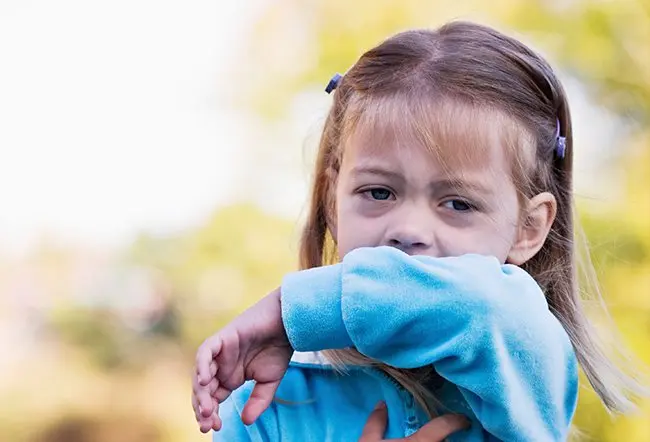
Mesothelioma is extremely uncommon in children and teenagers. Because it is rare, symptoms can sometimes look like other childhood illnesses. Children may experience breathing problems, cough, chest or abdominal pain, unexplained weight loss, or unusual tiredness.
Early medical evaluation is important when a child has persistent or unexplained symptoms. Diagnosis may involve imaging tests and, when necessary, a biopsy to examine tissue or fluid for cancer cells.
What is Pediatric Mesothelioma?
Pediatric Mesothelioma is a malignant tumor that develops from mesothelial cells in children or adolescents.
The cancer can develop in different parts of the body, including:
- Pleural mesothelioma: Develops in the lining around the lungs and chest cavity.
- Peritoneal mesothelioma: Develops in the lining of the abdomen.
- Pericardial mesothelioma: Develops in the tissue surrounding the heart and is very rare.
- Testicular mesothelioma: May develop around the testicles and is extremely rare.
The tumor may spread across the surface of nearby organs and may also spread to lymph nodes or other parts of the body.
How Common is Mesothelioma in Children?
Mesothelioma is extremely rare in children and adolescents. NCI reports that only a small percentage of mesothelioma cases occur during the first two decades of life, and fewer than 300 pediatric cases have been reported in the medical literature.
Because so few children develop this cancer, doctors often rely on specialist evaluation and information from pediatric cancer centers when planning treatment.
What are Symptoms of Pediatric Mesothelioma?
The symptoms depend on where the tumor develops and how much it has affected surrounding tissues.
Possible symptoms include:
- Difficulty breathing
- Persistent or unexplained cough
- Chest pain
- Pain under the ribs
- Abdominal pain
- Abdominal swelling
- Unexplained weight loss
- Feeling unusually tired
- Fluid collecting around the lungs or in the abdomen
- A lump or unusual swelling in the abdomen
These symptoms do not necessarily mean that a child has mesothelioma. Many other conditions can cause similar symptoms. However, persistent or unexplained symptoms should be evaluated by a doctor.
What are the causes of Pediatric Mesothelioma?
The exact cause of most childhood mesothelioma cases is not known.
In adults, mesothelioma is strongly associated with asbestos exposure. However, asbestos exposure is uncommon as an explanation for childhood mesothelioma, and there is limited information about asbestos-related risk in children.
Another recognized risk factor in children is previous radiation treatment for another cancer. Some genetic changes may also be involved in certain pediatric cases.
For example, NCI reports that ALK gene fusions have been identified in some childhood and adolescent mesotheliomas, particularly some peritoneal tumors.
Having a possible risk factor does not mean that a child will develop mesothelioma.
Types of Pediatric Mesothelioma
Pleural Mesothelioma
Pleural mesothelioma develops in the lining around the lungs and chest cavity. It may cause cough, breathing difficulty, chest discomfort, or fluid around the lungs.
Peritoneal Mesothelioma
Peritoneal mesothelioma develops in the lining of the abdomen. It may cause abdominal pain, swelling, digestive symptoms, or unexplained weight loss.
Pericardial Mesothelioma
Pericardial mesothelioma develops in the tissue surrounding the heart. It is very rare and can cause symptoms related to the heart or surrounding tissues.
Testicular Mesothelioma
Mesothelioma involving the testicular covering is extremely uncommon in children.
Diagnosis of Pediatric Mesothelioma
Because the symptoms can resemble other illnesses, doctors usually use several tests before confirming a diagnosis.
Physical Examination
The doctor will ask about the child’s symptoms, medical history, previous treatments, and how long the symptoms have been present.
Chest X-ray
A chest X-ray can help doctors look for abnormalities in the lungs and chest.
CT Scan
A CT scan provides detailed images of the chest or abdomen and can help identify abnormal tissue, fluid, or masses.
MRI
MRI may be used when more detailed images of particular tissues or organs are needed.
PET Scan
A PET scan may help doctors identify areas of the body where cancer cells may be active.
Biopsy
A biopsy involves taking a sample of tissue for examination under a microscope. Depending on where the suspected tumor is located, procedures such as thoracoscopy or laparoscopy may be used to obtain tissue.
A laboratory examination of fluid around the lungs or abdomen may also be performed in some cases.
Treatment of Pediatric Mesothelioma
Treatment depends on the location of the tumor, whether it has spread, the child’s overall health, and the findings from pathology and imaging.
Because childhood mesothelioma is so rare, treatment should be planned by a multidisciplinary pediatric cancer team with experience in rare childhood cancers.
Surgery
Surgery may be considered when the tumor can be removed safely.
The type and extent of surgery depend on where the mesothelioma is located and how extensively it has spread.
Chemotherapy
Chemotherapy uses medicines that kill cancer cells or stop them from growing.
Chemotherapy may be used alone or together with surgery depending on the child’s specific condition.
Radiation Therapy
Radiation therapy uses high-energy radiation to destroy cancer cells.
In childhood mesothelioma, radiation may be considered in selected situations, including for symptom relief. Doctors carefully consider its potential benefits and long-term effects in children.
Targeted Therapy
Some childhood mesotheliomas may contain specific genetic changes that can potentially be targeted with medicines.
Targeted treatments are being studied in recurrent childhood mesothelioma.
Immunotherapy
Immunotherapy helps the body’s immune system recognize and attack cancer cells.
Newer immunotherapy approaches are being investigated for mesothelioma, including childhood cases. Clinical trials may be considered because of the rarity of this cancer.
Clinical Trials
Because pediatric mesothelioma is extremely rare, clinical trials can be an important part of research and treatment planning.
A pediatric oncologist can explain whether a clinical trial may be appropriate for a particular child.
Can Homeopathy Treat Pediatric Mesothelioma?
Pediatric Mesothelioma is a serious cancer that requires evaluation and treatment by a pediatric oncology team.
Homeopathy should not replace surgery, chemotherapy, radiation therapy, targeted therapy, immunotherapy, or other cancer-directed treatment recommended by the child’s oncology team.
Homeopathic care may be discussed as supportive care with the treating medical team, particularly for general well-being or selected symptoms, but it should never delay cancer diagnosis or established treatment.
Supportive Care for Children With Mesothelioma
Cancer treatment can be physically and emotionally difficult for children and their families.
Supportive care may include:
- Nutritional support
- Pain management
- Management of treatment side effects
- Emotional support
- Rehabilitation when needed
- Child-life support
- Psychological support
- Regular follow-up appointments
The goal is not only to treat the cancer but also to support the child’s comfort, development, and quality of life.
When Should Parents Consult a Doctor?
Parents should seek medical evaluation if a child develops:
- Persistent breathing difficulty
- A cough that does not have an obvious cause
- Persistent chest pain
- Unexplained abdominal pain or swelling
- Unexplained weight loss
- Unusual or persistent tiredness
- A new lump or swelling
- Symptoms that continue despite treatment for another suspected condition
These symptoms can have many causes and do not automatically indicate cancer. However, persistent or unexplained symptoms deserve proper evaluation.
Frequently Asked Questions
Is Pediatric Mesothelioma common?
No. Pediatric mesothelioma is extremely rare, and only a small proportion of mesothelioma cases occur during childhood and adolescence.
What are the first symptoms of Pediatric Mesothelioma?
Possible symptoms include breathing difficulty, persistent cough, chest or abdominal pain, unexplained weight loss, and unusual tiredness. These symptoms can also occur with many other childhood conditions.
Can children get mesothelioma from asbestos?
Mesothelioma in children is not commonly associated with asbestos exposure, and information about asbestos-related risk in children is limited.
How is Pediatric Mesothelioma diagnosed?
Diagnosis may involve a physical examination, imaging such as X-ray, CT, MRI or PET, and examination of tissue or fluid samples. A biopsy may be needed to confirm the diagnosis.
Can Pediatric Mesothelioma be treated?
Treatment may involve surgery, chemotherapy, radiation therapy, and in selected cases targeted therapy or immunotherapy. Treatment is planned according to the child’s individual diagnosis and disease extent.
Should a child with mesothelioma see a pediatric oncologist?
Yes. Because this is a very rare childhood cancer, NCI recommends care involving a multidisciplinary team experienced in childhood cancers.
Can homeopathy replace cancer treatment?
No. Homeopathy should not replace cancer-directed treatment such as surgery, chemotherapy, radiation, targeted therapy, or immunotherapy.
Can Pediatric Mesothelioma come back after treatment?
Yes. Childhood mesothelioma can recur after treatment, which is why regular follow-up is important.
Why choose Dr. Sanjay’s Homoeopathy for Pediatric Mesothelioma Treatment in Lucknow, India?
Dr. Sanjay’s Homoeopathy is a trusted clinic for Pediatric Mesothelioma Treatment in Lucknow, India. With more than 22 years of experience, Dr. Sanjay Singh, MD (Homoeopathy) provides personalized consultation for children and families dealing with complex health concerns. Each consultation focuses on understanding the child’s symptoms, medical history, previous treatment, lifestyle, and overall health. As an experienced homeopathic doctor in Lucknow, Dr. Sanjay Singh provides confidential and patient-focused care in a comfortable environment. For suspected or confirmed Pediatric Mesothelioma, proper evaluation and treatment by a pediatric oncologist and specialist cancer team remain essential, and homeopathic care should not delay or replace cancer-directed treatment. Families seeking supportive homeopathic care can discuss it with their child’s treating medical team and Dr. Sanjay Singh.