Overview
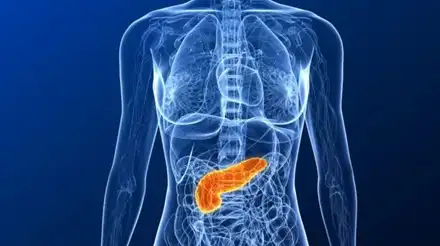
Pancreatitis is a condition in which the pancreas becomes inflamed. The pancreas is an important organ located behind the stomach that plays a vital role in digestion and blood sugar regulation. It produces digestive enzymes that help break down food and hormones such as insulin that regulate blood sugar levels.
When the pancreas becomes inflamed, these digestive enzymes may start attacking the pancreas itself instead of helping digest food. This leads to pain, swelling, and irritation of the pancreas. Pancreatitis can occur suddenly or develop gradually over time.
There are two main forms of pancreatitis: acute pancreatitis, which appears suddenly and may last for a short period, and chronic pancreatitis, which develops slowly and may cause long-term damage to the pancreas.
Pancreatitis can affect people of different age groups and may be associated with several health conditions such as gallstones, alcohol consumption, or digestive disorders. Early diagnosis and proper management are important to prevent complications and maintain digestive health.
What is Pancreatitis?
Pancreatitis refers to inflammation of the pancreas. The pancreas normally releases digestive enzymes into the small intestine, where they help break down fats, proteins, and carbohydrates.
In pancreatitis, these digestive enzymes become activated while still inside the pancreas. This causes the pancreas to digest its own tissue, resulting in inflammation and damage.
The condition may cause severe abdominal pain and digestive problems. In severe cases, pancreatitis may affect other organs and lead to serious complications.
Types of Pancreatitis
Pancreatitis is generally classified into two main types.
- Acute Pancreatitis – Acute pancreatitis occurs suddenly and usually lasts for a short time. Symptoms may appear quickly and may require immediate medical attention. Many people recover completely with proper treatment.
- Chronic Pancreatitis: Chronic pancreatitis develops gradually and may lead to long-term damage to the pancreas. Over time, the pancreas may lose its ability to produce digestive enzymes and hormones, which can affect digestion and blood sugar control.
Causes of Pancreatitis
Several factors may contribute to the development of pancreatitis.
- Gallstones: Gallstones are one of the most common causes of pancreatitis. A stone may block the pancreatic duct, preventing digestive enzymes from flowing properly.
- Excessive Alcohol Consumption: Long-term alcohol consumption can irritate and damage the pancreas.
- High Triglyceride Levels: High levels of fats in the blood may increase the risk of pancreatitis.
- Abdominal Injury: Trauma or injury to the abdomen may lead to pancreatic inflammation.
- Certain Medications: Some medications may cause inflammation of the pancreas.
- Genetic Factors: Certain inherited conditions may increase the risk of pancreatitis.
- Infections: Some viral infections may also lead to pancreatic inflammation.
Symptoms of Pancreatitis
Symptoms of pancreatitis may vary depending on the severity of inflammation.
Common symptoms include:
- Severe pain in the upper abdomen
- Pain that spreads to the back
- Nausea and vomiting
- Fever
- Loss of appetite
- Abdominal tenderness
- Indigestion
- Bloating
- Rapid heartbeat
Pain may become worse after eating or lying down.
In chronic pancreatitis, additional symptoms may include weight loss and digestive problems due to poor absorption of nutrients.
Risk Factors
Certain factors may increase the risk of pancreatitis.
These include:
- Gallstones
- Excessive alcohol consumption
- Smoking
- Obesity
- High triglyceride levels
- Family history of pancreatic diseases
People with these risk factors should pay attention to digestive health and seek medical advice if symptoms appear.
Possible Complications
If pancreatitis is not treated properly, it may lead to serious complications.
- Pancreatic Infection: Inflammation may lead to infection in the pancreas.
- Pancreatic Pseudocysts: Fluid-filled sacs may form in the pancreas.
- Digestive Problems: Damage to the pancreas may affect digestion and nutrient absorption.
- Diabetes: Chronic pancreatitis may damage insulin-producing cells and lead to diabetes.
- Organ Failure: Severe pancreatitis may affect the functioning of other organs.
Early treatment helps reduce the risk of these complications.
Diagnosis of Pancreatitis
Doctors use several tests to diagnose pancreatitis.
- Physical Examination: The doctor may check for abdominal tenderness and evaluate symptoms.
- Blood Tests: Blood tests may show elevated levels of pancreatic enzymes.
- Ultrasound: Ultrasound imaging may help detect gallstones and inflammation.
- CT Scan: A CT scan provides detailed images of the pancreas and surrounding organs.
- MRI: MRI may be used to evaluate pancreatic ducts and detect abnormalities.
Treatment of Pancreatitis
Treatment depends on the severity and cause of pancreatitis.
- Hospital Care: Acute pancreatitis often requires hospital care for monitoring and treatment.
- Pain Management: Pain relief medications may be given to control abdominal pain.
- Intravenous Fluids: Fluids may be administered to prevent dehydration.
- Dietary Changes: A low-fat diet may help reduce strain on the pancreas.
- Treating Underlying Causes: Removing gallstones or managing alcohol consumption may help prevent recurrence.
Homeopathic Treatment for Pancreatitis
Homeopathy offers a holistic approach to managing pancreatitis by focusing on improving digestive health and supporting the body’s natural healing ability. Instead of only addressing inflammation of the pancreas, homeopathic treatment aims to correct the underlying imbalance in the digestive system, liver, and metabolism. The remedies are selected according to the individual symptoms, overall health condition, and constitutional nature of the patient.
In cases of pancreatitis, homeopathic treatment may help reduce abdominal discomfort, improve digestion, relieve nausea and vomiting, and support the proper functioning of the pancreas. Because each patient may experience different symptoms, treatment is personalized and guided by a qualified homeopathic doctor.
Homeopathic Remedies for Pancreatitis
Homeopathy offers a holistic approach to managing pancreatic inflammation and digestive disorders. Homeopathic treatment focuses on improving the functioning of the digestive system and supporting the body’s natural healing processes.
Homeopathic medicines are selected according to the individual symptoms, constitution, and overall health of the patient.
Some commonly used homeopathic remedies that may be considered in cases related to pancreatitis include:
- Iris Versicolor: This remedy may be useful when there is severe burning pain in the stomach along with nausea and vomiting. It is often considered when digestive disturbances are associated with pancreatic disorders.
- Phosphorus: Phosphorus may be helpful for individuals who experience burning pain in the abdomen along with weakness and digestive discomfort.
- Nux Vomica: Nux Vomica may be considered for individuals who develop digestive problems due to overeating, alcohol consumption, or a stressful lifestyle.
- Lycopodium Clavatum: Lycopodium is often used when there is bloating, gas, and digestive weakness along with abdominal discomfort.
- Arsenicum Album: This remedy may be useful when there is burning abdominal pain accompanied by restlessness and weakness.
- Chelidonium Majus: Chelidonium is commonly used in homeopathy for liver and digestive disorders and may be helpful when pain is located on the right side of the abdomen.
It is important to note that homeopathic medicines should be prescribed by a qualified homeopathic doctor after proper evaluation of the patient.
Lifestyle Tips for Pancreatic Health
Healthy lifestyle habits may help support pancreatic health.
- Maintain a healthy diet: Choose a balanced diet with fruits, vegetables, and whole grains.
- Avoid Excess Alcohol: Limiting alcohol intake helps protect the pancreas.
- Stop Smoking: Smoking may increase the risk of pancreatic diseases.
- Maintain a healthy weight: A healthy body weight supports digestive health.
- Stay Hydrated: Drinking enough water helps maintain overall digestive balance.
- Exercise Regularly: Regular physical activity supports metabolic and digestive health.
When to See a Doctor
Medical attention should be sought if:
- Severe abdominal pain occurs suddenly
- Pain spreads to the back
- Persistent vomiting occurs
- Fever accompanies abdominal pain
- Unexplained weight loss occurs
These symptoms may indicate serious pancreatic problems that require immediate medical care.
Frequently Asked Questions (FAQs)
What is the most common cause of pancreatitis?
Gallstones and excessive alcohol consumption are the most common causes.
Can pancreatitis be cured?
Acute pancreatitis may resolve with proper treatment, while chronic pancreatitis requires long-term management.
Is pancreatitis a serious condition?
Yes, severe pancreatitis can lead to complications if not treated promptly.
Can pancreatitis cause digestive problems?
Yes, inflammation of the pancreas can interfere with digestion and nutrient absorption.
Can homeopathy help with pancreatitis?
Homeopathic treatment may help support digestive health and manage symptoms when prescribed according to individual needs.
Why choose Dr. Sanjay’s Homoeopathy for Pancreatitis Treatment in Lucknow, India?
Dr. Sanjay’s Homoeopathy is a trusted clinic for safe and effective Pancreatitis treatment in Lucknow, India. With more than 22 years of experience, Dr. Sanjay Singh, MD (Homoeopathy), provides specialized Pancreatitis homeopathy treatment that helps manage severe abdominal pain, nausea, vomiting, digestive disturbances, bloating, and inflammation of the pancreas naturally without side effects. As a leading homeopathic doctor in Lucknow, he follows international treatment standards and offers a personalized approach that focuses on reducing pancreatic inflammation, improving digestive function, supporting pancreatic health, and preventing recurrent episodes, making him the best homeopathic doctor for Pancreatitis in Lucknow. Patients from across India and around the world choose Dr. Sanjay’s Homoeopathy for its holistic healing, long-lasting relief, and compassionate care in managing digestive conditions like Pancreatitis.