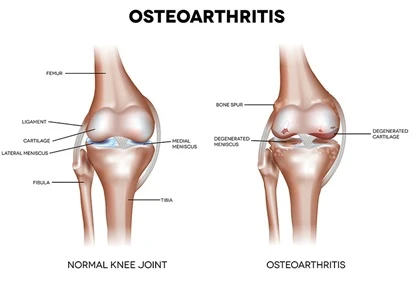
Osteoarthritis is a common joint condition that develops when the structures within a joint undergo gradual changes over time. It can affect the cartilage, bone, joint lining, ligaments, and surrounding muscles. Osteoarthritis commonly causes joint pain, stiffness, reduced movement, and difficulty performing everyday activities.
Although osteoarthritis can affect any joint, it most commonly involves the knees, hips, hands, spine, and feet. Symptoms may develop gradually and can vary from mild discomfort to persistent pain and reduced mobility.
Early assessment and appropriate management can help reduce symptoms, maintain joint function, and improve quality of life.
What is Osteoarthritis?
Osteoarthritis is a chronic joint condition involving structural changes within the joint. It is often associated with aging, previous joint injuries, excess body weight, repetitive stress, and other factors.
Healthy joints contain cartilage that helps provide a smooth surface for movement. In osteoarthritis, changes can occur in the cartilage, underlying bone, joint tissues, and surrounding structures.
These changes can result in:
- Joint pain
- Stiffness
- Reduced flexibility
- Difficulty moving the joint
- Swelling in some cases
- Changes in the shape of the joint
Osteoarthritis may affect one or multiple joints.
What are the Symptoms of Osteoarthritis?
Symptoms can develop gradually and may become more noticeable over time.
Common symptoms include:
- Joint pain
- Joint stiffness
- Reduced range of movement
- Difficulty bending or straightening a joint
- Pain during or after physical activity
- Stiffness after rest or inactivity
- Swelling around the joint
- Tenderness
- Clicking, cracking, or grinding sensations
- Weakness around the affected joint
- Difficulty walking
- Difficulty climbing stairs
- Reduced ability to perform daily activities
Symptoms may vary from day to day. Some people experience periods when symptoms are more severe.
Which Joints Can Osteoarthritis Affect?
Osteoarthritis can affect almost any joint, but some areas are more commonly involved.
Knee Osteoarthritis
Knee osteoarthritis can cause:
- Knee pain
- Stiffness
- Swelling
- Difficulty walking
- Difficulty climbing stairs
- Difficulty standing for long periods
- Reduced ability to bend or straighten the knee
Hip Osteoarthritis
Hip osteoarthritis may cause pain in the:
- Hip
- Groin
- Thigh
- Buttock
Pain and stiffness may make walking, standing, or getting in and out of a chair more difficult.
Hand Osteoarthritis
Osteoarthritis affecting the hands may cause:
- Pain in the fingers
- Stiffness
- Swelling
- Difficulty gripping objects
- Changes in finger joints
Spine Osteoarthritis
Osteoarthritis can affect the joints and structures of the spine and may contribute to:
- Neck pain
- Lower back pain
- Stiffness
- Reduced spinal movement
Foot and Ankle Osteoarthritis
Osteoarthritis affecting the feet or ankles may cause pain while walking, standing, or wearing certain types of footwear.
What are the Causes of Osteoarthritis?
Osteoarthritis does not always have a single cause. Several factors may contribute to the development of joint changes.
Age-Related Changes
The likelihood of developing osteoarthritis increases with age.
Previous Joint Injury
A previous fracture, ligament injury, cartilage injury, or other joint trauma can increase the risk of osteoarthritis.
Excess Body Weight
Excess body weight places additional mechanical stress on weight-bearing joints, particularly the knees and hips.
Repetitive Joint Stress
Repeated movements or long-term physical stress on certain joints may contribute to joint problems.
Family History
Genetic factors may increase the likelihood of developing osteoarthritis in some individuals.
Joint Alignment
Abnormal joint alignment or structural differences may increase stress on particular areas of a joint.
Muscle Weakness
Weak muscles around a joint may reduce joint stability and contribute to difficulties with movement and function.
Risk Factors for Osteoarthritis
Several factors can increase the risk of osteoarthritis, including:
- Increasing age
- Family history
- Excess body weight
- Previous joint injuries
- Repetitive physical stress
- Muscle weakness
- Joint alignment problems
- Certain occupations
- High-impact physical activities
- Existing joint conditions
How is Osteoarthritis Diagnosed?
Diagnosis usually begins with a detailed discussion of symptoms and a physical examination.
A healthcare professional may assess:
- The location of joint pain
- Duration of symptoms
- Joint stiffness
- Range of movement
- Swelling
- Joint tenderness
- Walking pattern
- Previous injuries
- Daily activities affected by pain
Investigations may include:
- X-rays
- MRI scans in selected cases
- Blood tests to rule out other conditions
- Joint fluid analysis when another type of arthritis is suspected
The diagnosis is based on the overall clinical picture and, when required, imaging findings.
Treatment for Osteoarthritis
There is no single treatment suitable for everyone. Management depends on the affected joint, severity of symptoms, overall health, and impact on daily life.
Exercise and Physiotherapy
Appropriate exercise can help improve:
- Joint movement
- Muscle strength
- Flexibility
- Balance
- Physical function
A physiotherapist may recommend exercises according to the affected joint and individual needs.
Weight Management
Maintaining a healthy body weight can reduce stress on weight-bearing joints such as the knees and hips.
Even gradual weight reduction may improve mobility and reduce joint stress in people carrying excess weight.
Pain Management
Doctors may recommend medicines to manage pain depending on the severity of symptoms and individual medical conditions.
These may include:
- Topical pain-relieving medicines
- Oral pain medicines
- Anti-inflammatory medicines when appropriate
- Joint injections in selected cases
Medicines should only be used according to professional medical advice.
Assistive Devices
Some people may benefit from:
- Walking sticks
- Knee braces
- Shoe inserts
- Other supportive devices
The type of support required depends on the affected joint and individual mobility needs.
Joint Replacement Surgery
When osteoarthritis causes severe pain and significant disability and other treatments have not provided sufficient relief, joint replacement surgery may be considered.
Knee and hip replacement are common surgical options for severe joint damage.
Lifestyle Tips for Osteoarthritis
The following measures may help support joint function:
- Stay physically active.
- Avoid prolonged inactivity.
- Perform appropriate strengthening exercises.
- Maintain flexibility through stretching.
- Maintain a healthy body weight.
- Choose low-impact activities when appropriate.
- Avoid repetitive excessive stress on painful joints.
- Use proper footwear.
- Take breaks during prolonged standing or physical work.
- Get adequate sleep.
- Follow the treatment plan recommended by your healthcare professional.
Activities such as walking, swimming, cycling, and other low-impact exercises may be appropriate for many people, depending on their symptoms and overall physical condition.
Homeopathic Treatment for Osteoarthritis
At Dr. Sanjay’s Homoeopathy, we offers advanced treatment for patients with Osteoarthritis, also we offers suppportive care for selected symptoms and overall wellbeing. A personalized approach may consider the nature of pain, stiffness, factors affecting symptoms, mobility, lifestyle, and overall health.
However, homeopathy should not replace appropriate medical diagnosis, physiotherapy, weight management, prescribed medicines, joint injections, or surgery when these are medically indicated.
Homeopathic Remedies for Osteoarthritis
There is no scientifically established homeopathic medicine proven to cure or reverse osteoarthritis.
In traditional homeopathic practice, medicines may be selected based on an individual’s symptom pattern, including:
- Location of joint pain
- Nature and intensity of pain
- Morning or rest-related stiffness
- Swelling
- Movement limitations
- Factors that worsen symptoms
- Factors that provide relief
- Overall health and medical history
Homeopathic treatment, where considered, should be individualized and used as complementary support rather than a replacement for appropriate medical care.
Complications of Osteoarthritis
Without appropriate management, osteoarthritis may lead to:
- Persistent joint pain
- Progressive stiffness
- Reduced mobility
- Muscle weakness
- Difficulty walking
- Difficulty performing daily activities
- Reduced physical activity
- Loss of independence in severe cases
- Significant reduction in quality of life
Severe osteoarthritis can cause substantial joint dysfunction and may eventually require surgical treatment.
When Should You Consult a Doctor?
Medical evaluation is recommended if you experience:
- Persistent joint pain
- Increasing stiffness
- Swelling around a joint
- Difficulty walking
- Difficulty performing daily activities
- Progressive reduction in joint movement
- Joint pain that affects sleep
- Symptoms that do not improve with basic measures
Sudden severe joint pain, significant swelling, redness, warmth, or fever may indicate a condition other than osteoarthritis and requires prompt medical evaluation.
Frequently Asked Questions (FAQs)
What is osteoarthritis?
Osteoarthritis is a chronic joint condition involving structural changes within the joint. It can cause pain, stiffness, reduced movement, and difficulty performing daily activities.
What are the common symptoms of osteoarthritis?
Common symptoms include joint pain, stiffness, reduced flexibility, swelling, tenderness, grinding sensations, and difficulty moving the affected joint.
Which joints are commonly affected by osteoarthritis?
Osteoarthritis commonly affects the knees, hips, hands, spine, feet, and other weight-bearing or frequently used joints.
What causes osteoarthritis?
Several factors can contribute, including increasing age, previous joint injuries, excess body weight, repetitive joint stress, genetic factors, muscle weakness, and joint alignment problems.
Can osteoarthritis be cured?
There is currently no treatment that can completely reverse all structural changes associated with osteoarthritis. However, symptoms and joint function can often be managed through exercise, weight management, medicines, physiotherapy, and other treatments.
Does walking help osteoarthritis?
Appropriate walking and other low-impact physical activities may help maintain joint movement and muscle strength. The level of activity should be adjusted according to symptoms and individual ability.
Can weight loss help knee osteoarthritis?
Reducing excess body weight can decrease mechanical stress on the knees and may help improve mobility and symptoms.
Is exercise safe with osteoarthritis?
Appropriate exercise is generally an important part of osteoarthritis management. A physiotherapist or healthcare professional can recommend exercises based on the affected joint and individual condition.
When should I seek medical help for joint pain?
Consult a healthcare professional if joint pain is persistent, worsening, associated with significant swelling, reduced movement, difficulty walking, redness, warmth, or fever.
Why choose Dr. Sanjay’s Homoeopathy for Osteoarthritis Treatment in Lucknow, India?
At Dr. Sanjay’s Homoeopathy, patients with chronic joint and musculoskeletal concerns receive individualized care under the guidance of Dr. Sanjay Singh, MD (Homoeopathy), who has over 22 years of experience. Each patient is assessed according to the location and nature of joint pain, stiffness, mobility, daily activity limitations, lifestyle factors, medical history, and overall health to develop a personalized supportive care approach. Because osteoarthritis may require medical diagnosis, physiotherapy, weight management, pain management, injections, or surgery depending on its severity, the clinic emphasizes appropriate evaluation and does not recommend replacing necessary medical treatment with homeopathy. Homeopathic care, where considered appropriate, is complementary and should not substitute evidence-based treatment.