Introduction
Obstructive uropathy is a urinary tract condition in which a blockage or functional problem prevents urine from flowing normally from the kidneys to the bladder or out of the body. The obstruction may occur in one or both kidneys, the ureters, the bladder, or the urethra. It can develop suddenly or progress gradually over time.
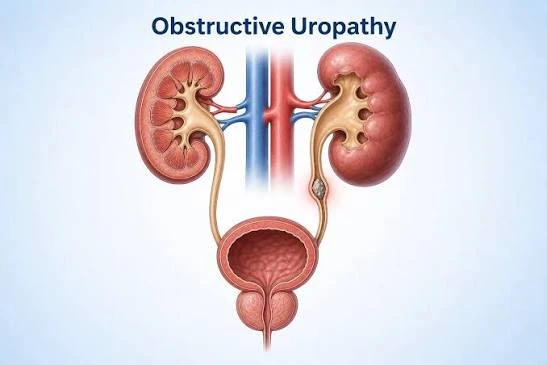
When urine cannot drain properly, it may accumulate within the urinary tract and cause swelling of the kidneys, a condition known as hydronephrosis. If the blockage remains untreated, it can impair kidney function and may lead to permanent kidney damage, urinary tract infections, or kidney failure.
Recognising the symptoms of obstructive uropathy and identifying the underlying cause are essential for timely treatment. Management depends on the location and severity of the blockage and may involve medication, catheterisation, urinary stents, drainage procedures, or surgery.
What is Obstructive Uropathy?
Obstructive uropathy refers to a condition in which the normal flow of urine is partially or completely blocked. Urine is produced by the kidneys, travels through tubes called ureters, collects in the bladder, and leaves the body through the urethra. A blockage at any point along this pathway can interfere with normal urine drainage.
Obstructive uropathy may affect one kidney or both kidneys. Some people experience noticeable symptoms, such as pain and difficulty urinating, while others may have few symptoms, particularly when the obstruction develops slowly.
The condition can cause hydronephrosis, urinary retention, recurrent infections, and reduced kidney function. Early diagnosis and appropriate treatment help relieve the obstruction and reduce the risk of long-term complications.
What are the symptoms of Obstructive Uropathy?
The symptoms of obstructive uropathy depend on the location of the blockage, whether it is partial or complete, how quickly it develops, and whether one or both kidneys are affected.
Common symptoms include:
- Difficulty urinating: Trouble starting urination or passing urine normally.
- Weak urine stream: A reduced or interrupted flow of urine.
- Reduced urine output: Passing considerably less urine than usual.
- Frequent urination: Feeling the need to urinate repeatedly, sometimes in small amounts.
- Incomplete bladder emptying: Feeling that urine remains in the bladder after urination.
- Flank or back pain: Pain in the side or back, particularly when urine builds up above an obstruction.
- Lower abdominal discomfort: Pressure, fullness, or pain around the bladder.
- Blood in the urine: Urine that appears pink, red, or brown, or blood detected during testing.
- Urinary leakage: Dribbling or involuntary leakage associated with bladder dysfunction or retention.
- Nausea and vomiting: These may occur with severe pain or impaired kidney function.
- Fever and chills: These may indicate a urinary infection, which can become dangerous when combined with an obstruction.
- Swelling: Fluid retention may occur when kidney function becomes impaired.
Some people with chronic obstructive uropathy have no obvious pain. Therefore, the absence of symptoms does not necessarily mean that kidney function is normal.
When are Symptoms an Emergency?
Seek emergency medical care if you cannot pass urine, have a sudden and substantial reduction in urine output, or experience severe flank or abdominal pain accompanied by fever, chills, vomiting, or feeling very unwell. These symptoms may indicate a serious obstruction, acute kidney injury, or an infected obstructed urinary system.
Causes of Obstructive Uropathy
Obstructive uropathy can develop because of stones, an enlarged prostate, scar tissue, tumours, congenital abnormalities, or problems affecting bladder function.
- Kidney Stones and Ureteral Stones: Kidney stones may move into a ureter and block the passage of urine from the kidney to the bladder. Depending on the size and location of the stone, the obstruction may cause severe pain, blood in the urine, nausea, or vomiting.
- Enlarged Prostate: Benign prostatic hyperplasia (BPH) is a non-cancerous enlargement of the prostate gland. Because the prostate surrounds part of the urethra, enlargement can restrict urine flow and make bladder emptying difficult. Severe or prolonged obstruction may affect kidney function.
- Urethral Stricture: A urethral stricture is a narrowing of the urethra caused by scar tissue. It may develop following injury, inflammation, infection, or previous medical procedures. The narrowing can cause a weak urine stream, straining, and incomplete bladder emptying.
- Tumours and Cancers: Tumours involving the bladder, prostate, kidneys, ureters, or nearby pelvic organs may compress or block parts of the urinary tract. The management of obstruction caused by a tumour depends on its location, nature, and extent.
- Bladder Stones: Bladder stones can develop when urine remains in the bladder for an extended period. They may irritate the bladder, cause painful urination, interrupt the urine stream, or contribute to urinary retention.
- Congenital Urinary Tract Abnormalities: Some people are born with structural abnormalities that interfere with urine drainage. Examples include ureteropelvic junction obstruction and posterior urethral valves in boys. These conditions may be identified during pregnancy, infancy, childhood, or later in life.
- Nerve-Related Bladder Problems: Conditions affecting the nerves that control the bladder can prevent it from contracting or emptying properly. This may occur with certain neurological disorders, spinal cord injuries, or diabetic nerve damage.
- Pelvic Organ Prolapse and External Compression: In some people, pelvic organ prolapse, scar tissue, enlarged lymph nodes, or masses within the abdomen or pelvis may compress the urinary tract and interfere with urine flow.
Types of Obstructive Uropathy
Obstructive uropathy can be classified according to its location, duration, and severity.
- Upper Urinary Tract Obstruction: Upper urinary tract obstruction affects the kidneys or ureters. Kidney stones, ureteral strictures, congenital abnormalities, and external compression can cause this type of obstruction. It may lead to hydronephrosis and, if not relieved, reduced kidney function.
- Lower Urinary Tract Obstruction: Lower urinary tract obstruction affects the bladder outlet or urethra. Common causes include an enlarged prostate, urethral stricture, bladder stones, and certain congenital abnormalities. Symptoms may include difficulty starting urination, a weak stream, incomplete bladder emptying, and urinary retention.
- Acute Obstructive Uropathy: Acute obstructive uropathy develops suddenly. A stone blocking a ureter or an abrupt inability to empty the bladder may cause acute obstruction. Prompt assessment is important because severe obstruction can quickly affect kidney function.
- Chronic Obstructive Uropathy: Chronic obstructive uropathy develops gradually and may persist for weeks, months, or longer. Symptoms can be mild or absent initially. If the obstruction continues, it may cause progressive kidney damage and bladder dysfunction.
- Partial and Complete Obstruction: A partial obstruction allows some urine to pass, although drainage is impaired. A complete obstruction prevents normal urine passage beyond the blockage. Both may require treatment, depending on their location, severity, and effect on kidney function.
Risk Factors for Obstructive Uropathy
Several factors may increase the likelihood of developing urinary tract obstruction, including:
- A history of kidney or bladder stones.
- An enlarged prostate, particularly with increasing age.
- Previous urinary tract surgery or instrumentation.
- Urethral injury or scar formation.
- Congenital abnormalities of the urinary system.
- Tumours involving the urinary tract or nearby organs.
- Neurological conditions that interfere with bladder emptying.
- Recurrent urinary tract problems associated with impaired drainage.
Having one or more risk factors does not necessarily mean that a person has obstructive uropathy. Medical evaluation is needed when symptoms or test results suggest a blockage.
Diagnosis of Obstructive Uropathy
The diagnosis aims to identify the location and severity of the obstruction, determine its cause, and assess whether kidney function has been affected.
- Medical History and Physical Examination: A healthcare professional may ask about urinary symptoms, pain, previous stones, infections, prostate problems, medications, and any history of urinary tract procedures. A physical examination may help identify bladder distension, abdominal tenderness, or other relevant findings.
- Urine Tests: Urinalysis may identify blood, signs of infection, or other abnormalities. A urine culture may be requested if a urinary tract infection is suspected.
- Blood Tests for Kidney Function: Blood tests measuring creatinine, urea, and electrolytes help assess kidney function and identify complications such as acute kidney injury or electrolyte disturbances.
- Ultrasound of the Kidneys and Bladder: Ultrasound is commonly used to look for hydronephrosis, bladder distension, and other structural abnormalities. A bladder scan may also measure the amount of urine remaining after urination.
- CT Scan: A CT scan may be recommended when a stone, mass, or other cause of obstruction needs further investigation. The type of scan and whether contrast is appropriate depend on the clinical situation and kidney function.
- Cystoscopy: Cystoscopy involves passing a thin instrument with a camera through the urethra to examine the urethra and bladder. It may be used to investigate strictures, bladder stones, tumours, or other lower urinary tract problems.
- Additional Investigations: Depending on the suspected cause, further testing may include specialised urinary tract imaging, urodynamic studies, or other investigations recommended by a urologist.
Treatment of Obstructive Uropathy
Treatment focuses on relieving the obstruction, protecting kidney function, and addressing the underlying cause. The appropriate approach depends on the location of the blockage, its severity, and whether infection or kidney injury is present.
1. Immediate Relief of the Blockage
Urgent drainage may be necessary when obstruction is severe, or kidney function is threatened.
- Urinary catheterisation: A catheter may be inserted into the bladder to drain retained urine when the obstruction is at the bladder outlet, or there is significant urinary retention.
- Ureteral stent: A small tube may be placed inside a ureter to help urine drain from the kidney to the bladder.
- Percutaneous nephrostomy: A drainage tube may be inserted through the skin into the kidney when urine needs to bypass an obstruction.
These procedures are selected according to the patient’s condition and the location of the blockage.
2. Medication
Medication may be appropriate for certain causes. For example, medicines that relax the muscles around the prostate and bladder outlet may improve urine flow in selected people with prostate enlargement. Other medications may help manage pain or treat a confirmed infection.
Medication alone may not resolve a stone, severe stricture, or other structural blockage. Treatment should be guided by a qualified healthcare professional.
3. Stone Removal
Some small stones may pass without a procedure, while others require intervention. Depending on the stone’s size and location, treatment may include ureteroscopy, shock-wave lithotripsy, or another stone-removal procedure.
An infected, obstructed urinary system requires urgent medical management; treatment should not be delayed while waiting for a stone to pass.
4. Surgical Treatment
Surgery or an endoscopic procedure may be necessary to correct a urethral stricture, remove a problematic stone, treat an anatomical abnormality, or relieve obstruction caused by an enlarged prostate or tumour.
The choice of procedure depends on the underlying condition and the person’s overall health.
5. Treatment of Infection and Kidney Complications
When an obstruction is accompanied by a urinary infection, appropriate antibiotics may be required alongside urgent drainage. Blood tests and clinical monitoring help assess kidney function and identify electrolyte abnormalities.
In severe cases, hospital treatment may be necessary. Some people with significant kidney impairment may also require temporary dialysis while the underlying problem is managed.
6. Follow-Up and Kidney Monitoring
After treatment, follow-up may include repeat blood tests, urine tests, imaging, or assessment of bladder emptying. These investigations help confirm that urine is draining properly and that kidney function is stable or recovering.
Homeopathic Treatment for Obstructive Uropathy
Obstructive uropathy requires careful medical evaluation because treatment must address the physical or functional problem preventing normal urine flow. The appropriate treatment may involve drainage, medication, stone removal, or surgery, depending on the cause.
At Dr. Sanjay’s Homoeopathy, people seeking complementary healthcare guidance should first receive an appropriate medical assessment for suspected urinary obstruction. Any discussion of homeopathic care must take into account the diagnosis, severity of the condition, kidney function, and treatment already prescribed.
People already receiving treatment for obstructive uropathy should continue their prescribed medical care and attend recommended follow-up appointments.
Lifestyle Tips for Supporting Urinary Health
Lifestyle measures may support general urinary health, but they cannot remove an established obstruction. Follow the advice of the treating healthcare professional.
- Maintain Appropriate Hydration: Drink fluids according to your medical needs and your healthcare professional’s advice. People with significant kidney impairment, fluid retention, or certain heart conditions may need individualised fluid recommendations. Drinking excessive water will not clear every blockage and may be inappropriate in some circumstances.
- Do Not Ignore Changes in Urination: Seek medical advice for a persistently weak stream, difficulty starting urination, incomplete bladder emptying, blood in the urine, or a noticeable reduction in urine output.
- Follow Stone-Prevention Advice When Relevant: If kidney stones are responsible for the obstruction, ask your healthcare professional about stone analysis, dietary adjustments, and other prevention strategies appropriate to the type of stone.
- Take Prescribed Medicines Correctly: Follow instructions for prescribed medicines and discuss any possible urinary side effects with your healthcare professional. Do not start or stop medicines on your own.
- Attend Follow-Up Appointments: Repeat testing may be necessary even after symptoms improve. Follow-up helps detect persistent obstruction, recurrent stones, and ongoing kidney or bladder problems.
- Avoid Delaying Specialist Care: A urinary obstruction may worsen even when symptoms are mild. Attend recommended urology appointments and seek urgent assessment if warning signs develop.
Possible Complications of Obstructive Uropathy
Without timely and appropriate treatment, obstructive uropathy may lead to:
- Hydronephrosis, or swelling of the kidney due to urine accumulation.
- Acute kidney injury.
- Chronic kidney disease from prolonged or recurrent damage.
- Urinary tract infections.
- Serious infection when an obstructed urinary system becomes infected.
- Bladder dysfunction caused by prolonged urinary retention.
- Permanent loss of kidney function in severe or longstanding cases.
The risk of complications depends on the cause, duration, severity, and whether one or both kidneys are affected. Early treatment can improve the likelihood of preserving kidney function.
When to See a Doctor
Arrange a medical evaluation if you experience persistent difficulty urinating, a weak urine stream, frequent urination with incomplete emptying, unexplained flank pain, blood in the urine, or recurrent urinary tract infections.
Seek emergency medical care if you:
- Cannot pass urine.
- Have a sudden, marked reduction in urine output.
- Experience severe flank or abdominal pain.
- Develop fever or chills along with urinary symptoms or suspected obstruction.
- Have persistent vomiting or feel severely unwell.
- Have been told that both kidneys are obstructed, or that an obstruction is affecting your only functioning kidney.
These symptoms may indicate a time-sensitive problem that requires immediate medical assessment.
Frequently Asked Questions About Obstructive Uropathy
What is obstructive uropathy?
Obstructive uropathy is a condition in which urine flow is partially or completely blocked somewhere in the urinary tract. It can affect the kidneys, ureters, bladder outlet, or urethra and may impair kidney function if not treated appropriately.
What are the common symptoms of obstructive uropathy?
Common symptoms include difficulty urinating, a weak urine stream, incomplete bladder emptying, reduced urine output, flank pain, lower abdominal discomfort, and blood in the urine. Some people have few symptoms, especially when the obstruction develops gradually.
What causes obstructive uropathy?
Common causes include kidney stones, bladder stones, an enlarged prostate, urethral strictures, tumours, congenital urinary tract abnormalities, and nerve-related bladder dysfunction.
Can obstructive uropathy damage the kidneys?
Yes. Urine that cannot drain normally may build up pressure within the urinary tract and impair kidney function. Prolonged or severe obstruction can cause permanent damage, so timely diagnosis and treatment are important.
What is the difference between obstructive uropathy and hydronephrosis?
Obstructive uropathy describes impaired urine flow caused by an obstruction or functional problem. Hydronephrosis refers to swelling of the kidney’s urine-collecting system. Hydronephrosis can occur because of obstruction, although it may also have other causes.
How is obstructive uropathy diagnosed?
Diagnosis may involve a medical history, physical examination, urinalysis, blood tests for kidney function, ultrasound, CT imaging, and sometimes cystoscopy or specialised urinary tract studies.
Can obstructive uropathy be treated without surgery?
Some cases can be managed with medication, catheterisation, or other non-surgical measures. However, certain obstructions require a stent, drainage procedure, endoscopic intervention, or surgery. Treatment depends on the underlying cause and severity.
Is obstructive uropathy a serious condition?
It can be serious, particularly if the obstruction is complete, affects both kidneys, involves the only functioning kidney, or is accompanied by infection or acute kidney injury. Prompt medical assessment helps reduce the risk of complications.
Why choose Dr. Sanjay’s Homoeopathy for Obstructive Uropathy Treatment in Lucknow, India?
Dr. Sanjay’s Homoeopathy is a trusted Homeopathy Centre for Obstructive Uropathy Treatment in Lucknow, India. With more than 22 years of experience, Dr. Sanjay Singh, MD (Homoeopathy) follows an individualized consultation approach that considers the patient’s symptoms, medical history, lifestyle, and previous treatment. People experiencing difficulty urinating, weak urine flow, flank discomfort, or recurring urinary tract issues can discuss their concerns and learn about available care options in a patient-focused environment. Identifying the underlying cause of the urinary tract blockage remains an important part of effective care, and patients should continue necessary medical treatment as advised by their healthcare professional. Patients from across the world trust Dr. Sanjay’s Homoeopathy for Obstructive Uropathy Treatment in Lucknow, India.