What is Non-Obstructive Azoospermia?
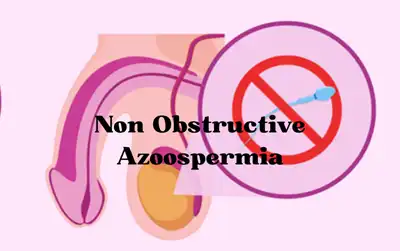
Non-Obstructive Azoospermia is a condition in which sperm production in the testicles is very low or completely absent. Unlike obstructive azoospermia, there is no blockage in the sperm pathway. Instead, the problem lies in the testicles themselves, where sperm are either not produced properly or not produced at all.
In simple words, the sperm factory is not working efficiently.
Non-obstructive azoospermia is one of the more complex causes of male infertility and requires careful diagnosis and long-term management.
How common is Non-Obstructive Azoospermia?
Non-obstructive azoospermia accounts for nearly 60% of azoospermia cases. Many men discover this condition only after repeated semen tests show zero sperm count and further investigations reveal problems with sperm production.
How is Non-Obstructive Azoospermia different from Obstructive Azoospermia?
| Feature | Non-Obstructive | Obstructive |
| Cause | Poor sperm production | Blockage |
| Testicular size | Often small or soft | Usually normal |
| Hormone levels | Often abnormal | Usually normal |
| Sperm production | Low or absent | Normal |
| Treatment | More complex | Often correctable |
Understanding this difference is essential before deciding on treatment.
What causes Non-Obstructive Azoospermia?
Non-obstructive azoospermia can occur due to problems affecting sperm production at different levels.
- Hormonal Causes: Hormones play a crucial role in sperm production. Any imbalance can stop or reduce sperm formation.
Common hormonal causes include:
- Low testosterone
- High FSH levels
- Pituitary gland disorders
- Thyroid imbalance
- Prolactin imbalance
- Testicular Causes: Damage to the testicles can severely affect sperm production.
Common testicular causes:
- Undescended testicles
- Testicular injury
- Mumps infection affecting the testicles
- Varicocele (long-standing)
- Radiation or chemotherapy
- Testicular atrophy
- Genetic Causes: Some men are born with genetic conditions that affect sperm production.
Examples include:
- Chromosomal abnormalities
- Y-chromosome microdeletions
- Klinefelter syndrome
- Medical and Systemic Causes
- Diabetes
- Chronic kidney disease
- Liver disease
- Autoimmune disorders
- Long-term infections
- Lifestyle and Environmental Causes: Lifestyle factors can worsen sperm production:
- Smoking
- Alcohol consumption
- Drug abuse
- Obesity
- Excess heat exposure
- Chronic stress
- Poor nutrition
Symptoms of Non-Obstructive Azoospermia
Most men with non-obstructive azoospermia do not have clear symptoms. Common findings include:
- Inability to conceive
- Low sperm count or zero sperm count
- Small or soft testicles
- Reduced facial or body hair (hormonal issue)
- Low sexual desire (in some cases)
- Erectile issues (occasionally)
Often, infertility is the only sign.
Is Non-Obstructive Azoospermia permanent?
Not always.
Some cases are partially treatable or manageable, especially when caused by:
- Hormonal imbalance
- Varicocele
- Lifestyle factors
However, genetic causes may be more challenging. Early diagnosis improves the chances of success.
How is Non-Obstructive Azoospermia diagnosed?
Diagnosis involves multiple steps.
- Semen Analysis: Repeated semen tests confirm zero sperm count.
- Hormonal Tests: Blood tests usually show:
- High FSH
- Low or normal testosterone
- Abnormal LH levels
- Scrotal Ultrasound: Helps assess:
- Testicular size
- Varicocele
- Structural abnormalities
- Genetic Testing: Recommended in many cases to identify inherited conditions.
- Testicular Biopsy: In selected cases, biopsy may show:
- Reduced sperm production
- Focal sperm production
- Complete absence of sperm cells
Conventional Medical Management of Non-Obstructive Azoospermia
Treatment depends on the cause and severity.
Conventional options may include:
- Hormonal therapy
- Varicocele surgery
- Sperm retrieval procedures
- Assisted reproductive techniques (IVF/ICSI)
These treatments may be costly and emotionally demanding.
Role of lifestyle in Non-Obstructive Azoospermia
Lifestyle changes can significantly support fertility health.
Helpful steps include:
- Stopping smoking and alcohol
- Maintaining a healthy weight
- Regular exercise
- Balanced diet
- Stress management
- Proper sleep
Even small improvements can positively impact hormonal balance.
Homeopathic Treatment for Non-Obstructive Azoospermia in Lucknow
Homeopathy provides a supportive and holistic approach to managing non-obstructive azoospermia. While it does not replace assisted reproductive techniques when required, it helps improve the body’s internal balance and reproductive health.
Homeopathic care may help by:
- Supporting hormonal balance
- Improving testicular function
- Enhancing blood circulation
- Reducing inflammation
- Improving vitality and stamina
- Supporting emotional well-being
Treatment is individualised, based on:
- Hormone levels
- Testicular condition
- Lifestyle habits
- Stress and emotional health
- Overall physical constitution
Common Homeopathic Medicines Used
(Prescribed only after detailed medical evaluation)
- Conium Maculatum – Testicular weakness
- Agnus Castus – Hormonal imbalance with low libido
- Acid Phosphoricum – Sexual exhaustion and stress-related infertility
- Calcarea Carbonica – Metabolic and hormonal imbalance
- Selenium – Weak vitality and reproductive weakness
Benefits of Homeopathic Support
- Natural and gentle
- Non-toxic
- Supports long-term reproductive health
- Improves overall vitality
- Helps reduce stress and anxiety
- Can be used safely alongside conventional care
Emotional Impact of Non-Obstructive Azoospermia
Men with non-obstructive azoospermia often face:
- Anxiety
- Depression
- Loss of confidence
- Relationship stress
Counselling, partner support, and a positive approach are extremely important.
Can men with Non-Obstructive Azoospermia become fathers?
Yes, many men with non-obstructive azoospermia become fathers through:
- Medical treatment
- Surgical sperm retrieval
- Assisted reproductive techniques
- Supportive therapies
Every case is unique, and outcomes depend on the underlying cause.
Precautions and Care Tips
- Avoid heat exposure to the testicles
- Avoid smoking and alcohol
- Follow medical advice strictly
- Maintain a healthy diet
- Manage stress
- Avoid self-medication
Frequently Asked Questions
Is non-obstructive azoospermia curable?
Some cases improve with treatment, especially if a hormonal imbalance is present.
Does non-obstructive azoospermia affect sexual life?
Sexual function may remain normal in many men.
Can homeopathy produce sperm in all cases?
Homeopathy supports fertility health, but results vary based on other causes.
Is genetic testing important?
Yes, it helps understand prognosis and treatment options.
Why choose Dr. Sanjay’s Homoeopathy for Non-Obstructive Azoospermia Treatment in Lucknow, India?
Dr. Sanjay’s Homoeopathy is a trusted clinic for safe and effective Non-Obstructive Azoospermia treatment in Lucknow, India. With more than 22 years of experience, Dr. Sanjay Singh, MD (Homoeopathy), provides specialized homeopathy treatment that helps manage low or absent sperm production, hormonal imbalance, testicular weakness, genetic or metabolic factors, and infertility-related concerns naturally without side effects. As a leading homeopathic doctor in Lucknow, he follows international treatment standards and offers a personalized approach that focuses on stimulating spermatogenesis, balancing hormones, strengthening testicular function, and improving overall reproductive health, making him the best homeopathic doctor for Non-Obstructive Azoospermia in Lucknow. Patients from across India and around the world choose Dr. Sanjay’s Homoeopathy for its holistic healing, long-lasting results, and compassionate care in managing complex male infertility conditions like Non-Obstructive Azoospermia.