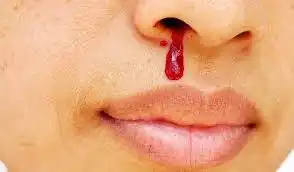
What is Nasal Bleeding (Epistaxis)?
Nasal bleeding, medically called Epistaxis, is a common condition in which blood comes out from one or both nostrils. It can happen suddenly and may look frightening, especially when the bleeding is heavy. However, in most cases, nosebleeds are not serious and can be controlled easily.
The inside of the nose has many small and delicate blood vessels. These blood vessels lie very close to the surface and can break easily due to dryness, injury, infection, or pressure changes. When these blood vessels rupture, bleeding starts.
Nasal bleeding can occur at any age, but it is more commonly seen in children, elderly people, and individuals with weak blood vessels.
How does Nasal Bleeding start?
Nasal bleeding may start suddenly or after certain triggers. Some people notice blood while blowing their nose, while others may suddenly feel blood dripping from the nostrils. In some cases, bleeding may occur during sleep.
It can be:
- Mild and stops quickly
- Repeated and troublesome
- Heavy and alarming
Understanding the cause is important to prevent repeated episodes.
Types of Nasal Bleeding
Nasal bleeding is mainly of two types:
- Anterior Nosebleed: This is the most common type, especially in children and young adults. The bleeding starts from the front part of the nose. It is usually mild and easy to control.
- Posterior Nosebleed: This type occurs from deeper blood vessels inside the nose. It is more common in older people and those with high blood pressure. Posterior nosebleeds can be heavy and serious and may require medical attention.
Common Symptoms of Nasal Bleeding
- Blood coming from one or both nostrils
- Blood dripping into the throat
- Metallic or salty taste in the mouth
- Dizziness or weakness (if bleeding is heavy)
- Anxiety or fear during bleeding
- Headache (in some cases)
Most nosebleeds stop within a few minutes, but repeated episodes should not be ignored.
What causes Nasal Bleeding?
There are many reasons why nasal bleeding may occur. Common causes include:
Local Causes
- Dry air or hot weather
- Nose picking
- Injury to the nose
- Frequent blowing of the nose
- Sinus infection
- Cold or allergy
- Deviated nasal septum
- Nasal sprays have been used for a long time
General Causes
- High blood pressure
- Weak blood vessels
- Vitamin deficiency
- Blood clotting problems
- Excessive heat exposure
- Stress and anxiety
- Liver disorders
- Alcohol consumption
Why is Nasal Bleeding common in summer?
During summer, hot and dry air dries the inner lining of the nose. This dryness causes cracks inside the nose, making blood vessels weak and prone to rupture. Dehydration also plays a role in frequent nosebleeds during hot weather.
Who is more likely to get Nasal Bleeding?
Nasal bleeding is more common in:
- Children
- Elderly people
- People with high blood pressure
- Those living in dry or polluted environments
- People with sinus or allergy problems
- Individuals with weak immunity
- People who take blood-thinning medicines
Is Nasal Bleeding serious?
Most nosebleeds are not serious and stop on their own. However, nasal bleeding can become serious if:
- Bleeding is very heavy
- Bleeding happens frequently
- Bleeding does not stop after 20 minutes
- The person feels dizzy or weak
- There is bleeding along with the injury
In such cases, medical attention is necessary.
How is Nasal Bleeding diagnosed?
Doctors may diagnose nasal bleeding by:
- Taking medical history
- Examining the nose
- Checking blood pressure
- Blood tests (if needed)
- ENT examination for recurrent cases
Diagnosis helps find the root cause of repeated nosebleeds.
Immediate First Aid for Nasal Bleeding
If nasal bleeding occurs:
- Sit upright and lean slightly forward
- Do not lie down
- Pinch the soft part of the nose for 10–15 minutes
- Breathe through the mouth
- Apply a cold compress to the nose
- Avoid blowing the nose immediately after bleeding stops
Conventional Treatment for Nasal Bleeding
Depending on the cause, doctors may suggest:
- Nasal ointments
- Nasal packing
- Cauterization of blood vessels
- Blood pressure control
- Treating the underlying disease
These methods help stop bleeding but may not prevent recurrence.
Homeopathic Treatment for Nasal Bleeding (Epistaxis) in Lucknow
Homeopathy offers a safe, gentle, and holistic approach to managing nasal bleeding. Instead of only stopping bleeding temporarily, homeopathy focuses on strengthening blood vessels, improving blood circulation, and correcting the underlying cause.
Homeopathic treatment helps in:
- Reducing the frequency of nosebleeds
- Strengthening nasal blood vessels
- Improving immunity
- Managing bleeding tendency
- Treating associated problems like sinus, allergy, or high BP
Each patient is treated individually based on:
- Frequency of bleeding
- The quantity of blood loss
- Triggering factors
- General health
- Emotional stress
This personalised approach helps in long-term relief.
Common Homeopathic Medicines for Nasal Bleeding
(Prescribed only after proper medical evaluation)
- Phosphorus – For frequent bleeding
- Hamamelis – For passive bleeding
- Ferrum Phosphoricum – For mild bleeding
- Carbo Vegetabilis – For weakness with bleeding
- Calcarea Phosphorica – For children with nosebleeds
Benefits of Homeopathic Treatment
- Natural and safe
- No harmful side effects
- Reduces repeated episodes
- Strengthens blood vessels
- Improves overall health
- Suitable for children and the elderly
Diet and Lifestyle Tips to Prevent Nasal Bleeding
- Drink plenty of water
- Use a humidifier in dry weather
- Avoid nose picking
- Apply nasal lubrication if advised
- Eat fresh fruits and vegetables
- Avoid excessive heat exposure
- Control blood pressure
- Avoid smoking and alcohol
Can Nasal Bleeding be prevented?
Yes, many cases of nasal bleeding can be prevented by:
- Keeping the nose moist
- Staying hydrated
- Treating allergies and sinus infections early
- Avoiding excessive nasal sprays
- Managing blood pressure
- Improving immunity
Frequently Asked Questions
Is nasal bleeding common in children?
Yes, children commonly experience nosebleeds due to fragile blood vessels.
Does high BP cause nosebleeds?
High blood pressure can worsen bleeding, especially in older people.
Is homeopathy safe for nosebleeds?
Yes, when taken under expert guidance, homeopathy is safe and effective.
Why Choose Dr. Sanjay’s Homoeopathy for Nasal Bleeding Treatment in Lucknow, India?
Dr. Sanjay’s Homoeopathy is a trusted clinic for safe and effective Nasal Bleeding treatment in Lucknow, India. With more than 22 years of experience, Dr. Sanjay Singh, MD (Homoeopathy), provides specialized homeopathy treatment that helps manage frequent nosebleeds, nasal dryness, irritation, crusting, blood clots, and underlying vascular weakness naturally without side effects. As a leading homeopathic doctor in Lucknow, he follows international treatment standards and offers a personalized approach that focuses on strengthening nasal blood vessels, reducing inflammation, and preventing recurrent bleeding, making him the best homeopathy doctor for Nasal Bleeding in Lucknow. Patients from across India and around the world choose Dr. Sanjay’s Homoeopathy for its holistic healing, long-lasting relief, and compassionate care in managing ENT conditions like Nasal Bleeding.