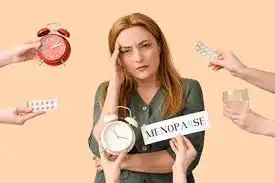
What is Menopause?
Menopause is a natural biological phase in a woman’s life when her monthly periods permanently stop, marking the end of her reproductive years. A woman is said to have reached menopause when she has not had a menstrual period for 12 continuous months.
Menopause usually occurs between the ages of 45 and 55 years, though some women may experience it earlier or later. It is not a disease, but the hormonal changes that occur during this phase can cause many uncomfortable physical, emotional, and mental symptoms.
The main reason for menopause is a gradual decline in the hormones estrogen and progesterone, which are produced by the ovaries.
Why does Menopause happen?
As a woman ages, her ovaries slowly reduce the production of female hormones. Ovulation becomes irregular, periods become unpredictable, and finally, menstruation stops completely.
This hormonal change affects many systems in the body, including:
- Reproductive system
- Bones
- Heart
- Brain
- Skin
- Metabolism
That is why menopause can affect overall health and well-being.
Stages of Menopause
Menopause does not happen suddenly. It occurs in stages.
- Perimenopause: This is the transition phase before menopause. It may begin several years before periods stop completely.
Common features:
- Irregular periods
- Hot flashes
- Mood swings
- Sleep problems
Hormone levels fluctuate widely during this stage.
- Menopause: Menopause is confirmed when a woman has no periods for 12 months. At this stage, ovaries stop releasing eggs and hormone levels are very low.
- Postmenopause: This phase begins after menopause and lasts for the rest of a woman’s life. Some symptoms may reduce, but long-term health risks such as bone loss and heart disease may increase.
Common Symptoms of Menopause
Menopause symptoms vary from woman to woman. Some experience mild symptoms, while others face severe discomfort.
Physical Symptoms
- Hot flashes
- Night sweats
- Irregular or stopped periods
- Vaginal dryness
- Weight gain
- Joint and muscle pain
- Headaches
- Fatigue
Emotional and Mental Symptoms
- Mood swings
- Irritability
- Anxiety
- Depression
- Poor concentration
- Memory issues
Sleep-Related Symptoms
- Difficulty falling asleep
- Frequent waking at night
- Poor quality sleep
What are Hot Flashes?
Hot flashes are one of the most common menopause symptoms. A woman suddenly feels intense heat in the face, neck, and chest, often followed by sweating and redness of the skin.
Hot flashes may last from a few seconds to several minutes and can occur many times a day or night, disturbing sleep and daily activities.
How does Menopause affect a woman’s body?
- Bone Health: Low estrogen levels can lead to bone thinning (osteoporosis), increasing the risk of fractures.
- Heart Health: After menopause, the risk of heart disease increases due to changes in cholesterol levels.
- Vaginal and Urinary Health
- Vaginal dryness
- Pain during intercourse
- Frequent urinary infections
- Skin and Hair
- Dry skin
- Hair thinning
- Loss of skin elasticity
Is Menopause a serious condition?
Menopause itself is not a disease, but unmanaged symptoms can reduce quality of life. Long-term hormonal changes may increase the risk of:
- Osteoporosis
- Heart disease
- Weight gain
- Diabetes
Proper care and lifestyle management are very important during this phase.
How is Menopause diagnosed?
Menopause is usually diagnosed based on:
- Age
- Symptoms
- Menstrual history
In some cases, doctors may recommend blood tests to check hormone levels, especially if menopause occurs early.
Conventional medical management of Menopause
Conventional treatment focuses on symptom relief and may include:
- Hormone replacement therapy (HRT)
- Calcium and vitamin supplements
- Medicines for hot flashes or mood symptoms
However, HRT may not be suitable for every woman and can have side effects.
Role of Lifestyle in Menopause
Lifestyle plays a very important role in managing menopause symptoms.
Helpful habits include:
- Regular physical activity
- Healthy diet
- Stress management
- Proper sleep
- Avoiding smoking and alcohol
These changes can greatly reduce symptom severity.
Homeopathic Care for Menopause in Lucknow
Homeopathy offers a natural, gentle, and holistic approach to managing menopause. Homeopathic treatment does not force hormones into the body. Instead, it supports the body’s natural balance and helps reduce troublesome symptoms.
Homeopathic care may help in:
- Reducing hot flashes and night sweats
- Improving sleep quality
- Managing mood swings and anxiety
- Reducing fatigue
- Supporting bone and joint health
- Improving overall well-being
Treatment is individualized, based on:
- Symptom pattern
- Emotional state
- Physical constitution
- Lifestyle and stress levels
Common Homeopathic Medicines Used
(Prescribed only after proper medical evaluation)
- Sepia – Hormonal imbalance with irritability and fatigue
- Lachesis – Hot flashes and mood swings
- Pulsatilla – Emotional sensitivity and irregular symptoms
- Calcarea Carbonica – Weight gain and weakness
- Sulphur – Heat sensations and restlessness
Benefits of Homeopathic Support
- Natural and non-toxic
- No hormone dependency
- Safe for long-term use
- Improves emotional balance
- Supports overall health
- Enhances quality of life
Diet Tips During Menopause
- Eat calcium-rich foods
- Include fruits and vegetables
- Reduce sugar and refined carbs
- Drink enough water
- Avoid excessive caffeine
- Include protein in daily meals
Exercise and Menopause
Regular exercise helps:
- Control weight
- Strengthen bones
- Improve mood
- Improve sleep
Walking, yoga, and light strength training are very beneficial.
Emotional Impact of Menopause
Menopause can affect a woman emotionally due to hormonal changes and life transitions. Support from family, counselling, and a positive mindset play a big role in coping with this phase.
Can Menopause symptoms be prevented?
Menopause cannot be prevented, but symptoms can be managed effectively with:
- Healthy lifestyle
- Stress control
- Proper medical guidance
- Supportive therapies
Frequently Asked Questions
At what age does menopause start?
Usually between 45 and 55 years.
Is weight gain common in menopause?
Yes, hormonal changes slow metabolism.
Is menopause permanent?
Yes, once periods stop completely, menopause is permanent.
Is homeopathy safe during menopause?
Yes, when taken under expert guidance.
Why choose Dr. Sanjay’s Homoeopathy for Menopause Treatment in Lucknow, India?
Dr. Sanjay’s Homoeopathy is a trusted clinic for safe and effective Menopause treatment in Lucknow, India. With more than 22 years of experience, Dr. Sanjay Singh, MD (Homoeopathy), provides specialized homeopathy treatment that helps manage hot flashes, night sweats, mood swings, sleep disturbances, fatigue, weight changes, and hormonal imbalance naturally without side effects. As a leading homeopathic doctor in Lucknow, he follows international treatment standards and offers a personalized approach that focuses on balancing hormones, improving emotional well-being, strengthening bone health, and enhancing overall quality of life, making him the best homeopathy doctor for Menopause in Lucknow. Patients from across India and around the world choose Dr. Sanjay’s Homoeopathy for its holistic healing, long-lasting relief, and compassionate care in managing women’s health transitions like Menopause.