Overview
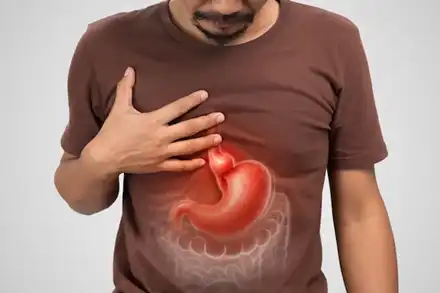
A hiatal hernia is a condition in which a part of the stomach moves upward through the diaphragm into the chest cavity. The diaphragm is a large muscle that separates the chest from the abdomen and plays an important role in breathing. Normally, the stomach stays below the diaphragm, but in a hiatal hernia, a portion of the stomach pushes through a small opening in the diaphragm known as the hiatus.
This condition can sometimes interfere with the normal functioning of the digestive system. Many people with a hiatal hernia may experience symptoms related to acid reflux, such as heartburn, chest discomfort, or a sour taste in the mouth. However, some people may have a hiatal hernia without experiencing any noticeable symptoms.
Hiatal hernia is quite common, especially in older adults. With proper lifestyle changes, medical care, and supportive treatment, most individuals can manage the condition effectively and maintain good digestive health.
What is Hiatal Hernia?
A hiatal hernia occurs when the upper part of the stomach bulges through the diaphragm and enters the chest area. The diaphragm has a small opening through which the esophagus passes before connecting to the stomach. When the stomach pushes upward through this opening, it forms a hiatal hernia.
Normally, the diaphragm and the lower esophageal sphincter help prevent stomach acid from moving upward into the esophagus. When a hiatal hernia develops, this natural barrier may become weaker. As a result, stomach acid may move back into the esophagus, causing symptoms such as acid reflux or heartburn.
The size of a hiatal hernia may vary. Some hernias are small and may not cause symptoms, while larger hernias may lead to more noticeable digestive problems.
Types of Hiatal Hernia
There are mainly two types of hiatal hernia.
Sliding Hiatal Hernia
This is the most common type. In this condition, the stomach and the lower part of the esophagus slide upward through the diaphragm into the chest cavity. The stomach may move back and forth between the chest and abdomen. Sliding hiatal hernia is often associated with symptoms of acid reflux.
Paraesophageal Hiatal Hernia
This type is less common but may be more serious. In paraesophageal hernia, part of the stomach pushes through the diaphragm and stays beside the esophagus. The stomach may become trapped in the chest cavity, which can sometimes lead to complications.
Causes of Hiatal Hernia
The exact cause of hiatal hernia is not always clear, but several factors may contribute to its development.
- Weakness of the Diaphragm: As people age, the muscles of the diaphragm may weaken. This weakness can make it easier for the stomach to move through the opening in the diaphragm.
- Increased Abdominal Pressure: Any condition that increases pressure in the abdomen may push the stomach upward. This may occur due to heavy lifting, persistent coughing, vomiting, or straining during bowel movements.
- Obesity: Excess body weight can place pressure on the stomach and increase the risk of developing hiatal hernia.
- Pregnancy: During pregnancy, the growing uterus may increase pressure inside the abdomen, which may contribute to the development of hiatal hernia.
- Injury or Trauma: In some cases, injury to the diaphragm may weaken the muscle and allow part of the stomach to move upward.
- Congenital Factors: Some people may be born with a larger opening in the diaphragm, which increases the risk of hiatal hernia.
Symptoms of Hiatal Hernia
Many people with a small hiatal hernia may not experience noticeable symptoms. However, when symptoms occur, they are often related to acid reflux.
Common symptoms include:
- Heartburn or burning sensation in the chest
- Acid reflux or regurgitation of food
- Sour taste in the mouth
- Difficulty swallowing
- Chest discomfort after meals
- Frequent burping
- Bloating
- Nausea
- Throat irritation or chronic cough
Symptoms may become worse after eating large meals, bending over, or lying down immediately after eating.
Risk Factors
Certain factors may increase the risk of developing hiatal hernia.
These include:
- Age above 50 years
- Being overweight or obese
- Smoking
- Chronic coughing
- Frequent heavy lifting
- Persistent constipation and straining
- Pregnancy
People with these risk factors may have a higher likelihood of developing hiatal hernia.
Possible Complications
If a hiatal hernia is not managed properly, it may lead to certain complications.
- Gastroesophageal Reflux Disease (GERD): Hiatal hernia often contributes to chronic acid reflux and GERD.
- Esophagitis: Repeated exposure to stomach acid can irritate and inflame the lining of the esophagus.
- Esophageal Ulcers: Long-term acid irritation may cause sores in the esophagus.
- Strangulated Hernia: In rare cases, part of the stomach may become trapped and lose blood supply, which requires immediate medical attention.
Diagnosis of Hiatal Hernia
Doctors usually diagnose a hiatal hernia through a combination of symptom evaluation, physical examination, and medical tests.
- Barium Swallow X-ray: This imaging test allows doctors to observe the shape and movement of the esophagus and stomach.
- Endoscopy: A thin flexible tube with a camera is inserted through the mouth to examine the inside of the esophagus and stomach.
- Esophageal Manometry: This test measures the strength and movement of the muscles in the esophagus.
- pH Monitoring: This test measures the amount of acid present in the esophagus over a period of time.
These tests help doctors confirm the diagnosis and determine the severity of the condition.
Treatment of Hiatal Hernia
Treatment depends on the severity of symptoms and the size of the hernia.
- Lifestyle Changes: Many people can manage their symptoms through simple lifestyle changes.
- Dietary Modifications: Avoiding foods that trigger acid reflux may help reduce symptoms.
- Weight Management: Maintaining a healthy weight can reduce pressure on the stomach.
- Avoiding Late-Night Meals: Eating at least two to three hours before bedtime can help prevent reflux.
- Elevating the Head While Sleeping: Sleeping with the head slightly elevated may reduce nighttime reflux.
- Medications: Doctors may prescribe medications that reduce stomach acid and relieve reflux symptoms.
- Surgery: In severe cases or when complications occur, surgery may be recommended to repair the hernia and strengthen the diaphragm.
Homeopathic Treatment for Hiatal Hernia
Homeopathy offers a holistic approach to managing digestive disorders, including hiatal hernia. Instead of only focusing on symptoms, homeopathic treatment aims to address the underlying causes affecting digestion.
Homeopathic medicines are selected according to the individual symptoms, overall health condition, and lifestyle of the patient. These remedies may help improve digestion, reduce acid reflux symptoms, and support the body’s natural healing process.
Many people choose homeopathic treatment because it focuses on long-term health improvement and gentle support for the digestive system.
When prescribed by a qualified homeopathic doctor, homeopathic medicines are generally safe and suitable for long-term use.
Homeopathic Remedies for Hiatal Hernia
Homeopathy focuses on treating the individual as a whole rather than only addressing the physical symptoms of a disease. In hiatal hernia, homeopathic treatment aims to reduce digestive discomfort, control acid reflux, and improve the overall functioning of the digestive system. Remedies are selected based on the patient’s specific symptoms, lifestyle, and overall constitution. When prescribed by a qualified homeopathic doctor, these medicines may help relieve symptoms such as heartburn, acidity, bloating, and regurgitation associated with hiatal hernia.
Some commonly used homeopathic remedies that may be considered in cases of hiatal hernia include:
- Nux Vomica – This remedy is often recommended for individuals who suffer from acidity, heartburn, and indigestion after eating heavy or spicy foods. It is commonly suited for people who lead a stressful lifestyle or consume excessive coffee, alcohol, or rich foods. Symptoms may include burning in the stomach, sour belching, and discomfort after meals.
- Carbo Vegetabilis – This remedy may be useful for people who experience excessive bloating, gas, and a feeling of fullness in the stomach. Individuals who need this remedy may feel relief after burping and may experience digestive discomfort after eating fatty foods.
- Robinia Pseudoacacia – This medicine is often considered when there is severe acidity and burning sensation in the stomach or throat. The person may experience sour vomiting, heartburn, and acid reflux that becomes worse at night or when lying down.
- Lycopodium Clavatum – This remedy may be helpful for individuals who suffer from bloating, gas, and indigestion, especially after eating small amounts of food. Symptoms often include fullness in the abdomen, acid reflux, and discomfort that becomes worse in the evening.
- Pulsatilla Nigricans – This remedy is commonly used when digestive problems occur after consuming rich, oily, or fatty foods. The person may experience bloating, indigestion, and mild reflux symptoms. Symptoms may improve with fresh air and gentle movement.
- Natrum Phosphoricum – This remedy may help individuals who frequently suffer from sour belching, acidity, and digestive discomfort after meals. It is often considered when acid reflux occurs due to excess stomach acid.
- Arsenicum Album – This remedy may be helpful for people who experience burning pain in the stomach along with restlessness and digestive weakness. Symptoms may worsen at night and improve with warm drinks.
It is important to remember that homeopathic medicines should be selected according to the individual symptoms of the patient. Therefore, consultation with an experienced homeopathic doctor is recommended for proper diagnosis and personalized treatment. A carefully selected remedy may help improve digestion, reduce acid reflux symptoms, and support overall digestive health in individuals suffering from hiatal hernia.
Lifestyle Tips to Prevent Hiatal Hernia Symptoms
Healthy habits can help manage hiatal hernia and reduce reflux symptoms.
- Eat Smaller Meals: Eating smaller meals throughout the day reduces pressure on the stomach.
- Avoid Trigger Foods: Limit spicy, oily, and acidic foods that may worsen reflux.
- Maintain a Healthy Weight: Weight management can significantly reduce abdominal pressure.
- Stay Upright After Eating: Avoid lying down immediately after meals.
- Avoid Tight Clothing: Tight clothes around the abdomen may increase pressure on the stomach.
- Reduce Stress: Stress management techniques may help improve digestive health.
- Avoid Smoking and Alcohol: These habits can worsen reflux symptoms.
When to See a Doctor
You should consult a doctor if:
- Heartburn occurs frequently
- Difficulty swallowing develops
- Chest discomfort becomes severe
- Symptoms persist for several weeks
- There is unexplained weight loss
Early diagnosis and proper treatment can help prevent complications and improve quality of life.
Frequently Asked Questions (FAQs)
What is the main cause of hiatal hernia?
Hiatal hernia is usually caused by weakness in the diaphragm muscles combined with increased pressure in the abdomen.
Can hiatal hernia heal on its own?
Small hiatal hernias may not require treatment and can often be managed through lifestyle changes.
Is hiatal hernia serious?
Most cases are mild, but larger hernias may cause complications and require medical treatment.
Can hiatal hernia cause acid reflux?
Yes, hiatal hernia can weaken the barrier between the stomach and esophagus, leading to acid reflux.
Can homeopathy help with hiatal hernia symptoms?
Homeopathic treatment may help improve digestion and reduce symptoms associated with acid reflux and digestive discomfort.
Why choose Dr. Sanjay’s Homoeopathy for Hiatal Hernia Treatment in Lucknow, India?
Dr. Sanjay’s Homoeopathy is a trusted clinic for safe and effective Hiatal Hernia treatment in Lucknow, India. With more than 22 years of experience, Dr. Sanjay Singh, MD (Homoeopathy), provides specialized Hiatal Hernia homeopathy treatment that helps manage acid reflux, heartburn, chest discomfort, difficulty swallowing, bloating, and digestive disturbances naturally without side effects. As a leading homeopathic doctor in Lucknow, he follows international treatment standards and offers a personalized approach that focuses on improving digestive function, reducing reflux symptoms, strengthening the diaphragm area, and preventing complications, making him the best homeopathy doctor for Hiatal Hernia in Lucknow. Patients from across India and around the world choose Dr. Sanjay’s Homoeopathy for its holistic healing, long-lasting relief, and compassionate care in managing digestive conditions like Hiatal Hernia.