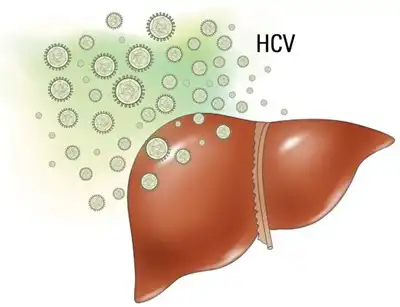
What is Hepatitis C?
Hepatitis C is a viral infection that affects the liver. It is caused by the Hepatitis C virus (HCV). This virus enters the body through infected blood and slowly damages liver cells. The liver is an essential organ that helps in digestion, detoxification, energy storage, and blood purification. When the liver is affected by Hepatitis C, these vital functions begin to suffer.
Hepatitis C is often called a “silent infection” because many people do not notice symptoms for years. During this silent period, the virus continues to damage the liver. If not diagnosed and managed in time, Hepatitis C can lead to serious liver problems.
How does Hepatitis C spread?
Hepatitis C spreads mainly through direct contact with infected blood. It does not spread through food, water, coughing, or casual contact.
Common ways of transmission include:
- Blood transfusion with infected blood (rare today due to screening)
- Sharing needles or syringes
- Unsafe injections
- Tattooing or piercing with unsterilised equipment
- Sharing razors, nail cutters, or toothbrushes
- Accidental needle injuries (healthcare workers)
- From mother to baby during childbirth (rare)
Hepatitis C does not spread through hugging, sharing food, or using the same toilet.
How does Hepatitis C affect the liver?
Once the Hepatitis C virus enters the body, it reaches the liver through the bloodstream. The virus enters liver cells and starts multiplying. The immune system tries to fight the virus, causing ongoing inflammation in the liver.
In many cases, the virus remains in the body for years. This leads to continuous liver damage, scarring, and loss of normal liver function over time.
Acute and Chronic Hepatitis C
- Acute Hepatitis C: This is the early stage of infection, occurring within the first six months. Many people do not show symptoms, and the infection often goes unnoticed.
- Chronic Hepatitis C: If the virus remains in the body for more than six months, it becomes chronic. Most Hepatitis C infections turn chronic and can slowly damage the liver over many years.
Who is at risk of Hepatitis C?
People at higher risk include:
- Individuals who received blood transfusions before proper screening
- People who inject drugs
- Healthcare workers
- People with multiple medical procedures
- People with tattoos or piercings done unsafely
- Dialysis patients
- People with weak immunity
Incubation period of Hepatitis C
The incubation period is the time between infection and symptoms. For Hepatitis C, it usually ranges from 2 weeks to 6 months. During this time, a person may not feel sick but can still carry the virus.
Common Symptoms of Hepatitis C
Many people with Hepatitis C have no symptoms in the early stages. When symptoms appear, they may include:
- Extreme tiredness
- Weakness
- Loss of appetite
- Nausea
- Mild fever
- Abdominal discomfort
- Dark urine
- Pale stools
- Yellowing of eyes or skin (jaundice)
- Joint pain
- Depression or mood changes
In chronic cases, symptoms may remain mild for years.
Why is Hepatitis C called a silent disease?
Hepatitis C often causes very mild or no symptoms for a long time. During this silent period, liver damage continues. Many people are diagnosed only when routine blood tests show abnormal liver enzymes or when serious liver disease develops.
Is Hepatitis C serious?
Yes, Hepatitis C can be serious if left untreated. Long-term complications include:
- Chronic liver inflammation
- Liver fibrosis (scarring)
- Liver cirrhosis
- Liver failure
- Liver cancer
Early diagnosis greatly reduces the risk of complications.
How is Hepatitis C diagnosed?
Doctors diagnose Hepatitis C using:
- Blood tests for Hepatitis C antibodies
- HCV RNA test to confirm active infection
- Liver function tests
- Ultrasound or imaging
- Fibrosis assessment
These tests help assess liver damage and disease stage.
Conventional medical treatment for Hepatitis C
Modern medicine uses antiviral medicines to treat Hepatitis C. These treatments are highly effective in clearing the virus in many patients. Treatment depends on:
- Virus type
- Liver condition
- Overall health
Regular monitoring is essential.
Diet and lifestyle in Hepatitis C
Healthy lifestyle choices are very important to protect the liver.
Recommended:
- Fresh fruits and vegetables
- Home-cooked, light meals
- Adequate hydration
- Regular rest
Avoid:
- Alcohol (completely)
- Fried and oily foods
- Junk and processed foods
- Unnecessary medicines
Homeopathic Treatment for Hepatitis C in Lucknow
Homeopathy offers a supportive and holistic approach for people with Hepatitis C. Homeopathic treatment does not replace antiviral therapy but helps support liver function, digestion, immunity, and overall well-being.
Homeopathy may help in:
- Supporting liver health
- Reducing weakness and fatigue
- Improving appetite and digestion
- Supporting immunity
- Improving quality of life
Treatment is individualised based on symptoms, liver condition, emotional state, and overall health.
Common Homeopathic Medicines Used
(Prescribed only after proper medical evaluation)
- Carduus Marianus – Liver support
- Chelidonium – Liver inflammation and pain
- Phosphorus – Liver weakness and fatigue
- Lycopodium – Digestive discomfort
- Nux Vomica – Liver stress due to lifestyle
Benefits of Homeopathic Support
- Gentle and natural
- No harmful side effects
- Supports liver function
- Improves digestion and energy
- Helpful in long-term care
Precautions for Hepatitis C Patients
- Do not donate blood
- Avoid sharing personal items
- Practice safe medical procedures
- Inform healthcare providers
- Follow medical advice strictly
Can Hepatitis C be prevented?
There is no vaccine for Hepatitis C, but prevention is possible by:
- Avoiding unsafe injections
- Using sterile equipment
- Safe tattoo and piercing practices
- Blood screening
- Avoiding shared needles
Hepatitis C and mental health
Living with Hepatitis C can cause anxiety, fear, or depression. Emotional support, counselling, and stress management are important parts of care.
Living with Chronic Hepatitis C
Many people with Hepatitis C live normal lives with proper medical care, healthy lifestyle, and regular monitoring. Early treatment and supportive care improve long-term outcomes.
Frequently Asked Questions
Is Hepatitis C curable?
Yes, modern antiviral treatment can cure many cases.
Is Hepatitis C contagious?
It spreads through blood, not casual contact.
Can homeopathy cure Hepatitis C?
Homeopathy supports liver health but does not replace antiviral treatment.
Can a person with Hepatitis C live a normal life?
Yes, with proper care and monitoring.
Other Related Conditions Treated:
Why choose Dr. Sanjay’s Homoeopathy for Hepatitis C Treatment in Lucknow, India?
Dr. Sanjay’s Homoeopathy is a trusted clinic for safe and effective Hepatitis C treatment in Lucknow, India. With more than 22 years of experience, Dr. Sanjay Singh, MD (Homoeopathy), provides specialized homeopathy treatment that helps manage chronic fatigue, liver inflammation, abdominal discomfort, nausea, loss of appetite, and weakened immunity naturally without side effects. As a leading homeopathic doctor in Lucknow, he follows international treatment standards and offers a personalized approach that focuses on supporting liver health, improving detoxification, strengthening immunity, and slowing disease progression, making him the best homeopathy doctor for Hepatitis C in Lucknow. Patients from across India and around the world choose Dr. Sanjay’s Homoeopathy for its holistic healing, long-lasting relief, and compassionate care in managing chronic viral liver conditions like Hepatitis C.