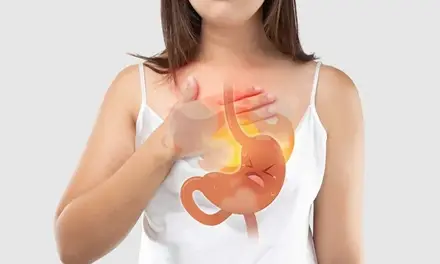
Heartburn is a burning feeling in the chest that often occurs when stomach acid flows back into the food pipe, also called the esophagus. It may happen after eating, when bending forward, or when lying down. Some people also experience a sour taste in the mouth or a sensation of food coming back up into the throat.
Occasional heartburn is common. However, when it happens frequently, it may be a sign of gastroesophageal reflux disease (GERD), a condition that can require medical evaluation and treatment.
What is Heartburn?
Heartburn is a symptom of acid reflux, not a heart condition. It occurs when stomach contents move backward into the esophagus and irritate its lining.
Normally, a muscular valve at the lower end of the esophagus helps prevent stomach contents from flowing backward. If this valve relaxes at the wrong time or does not close properly, acid reflux may occur.
Heartburn may cause discomfort behind the breastbone and can sometimes spread toward the throat. Frequent reflux may irritate or damage the lining of the esophagus if left untreated.
Symptoms of Heartburn
The symptoms can vary from person to person. Common symptoms include:
- Burning sensation in the chest
- Burning discomfort after meals
- Sour or bitter taste in the mouth
- Food or liquid coming back into the throat
- Burning sensation in the throat
- Discomfort that becomes worse when lying down
- Symptoms that increase when bending forward
- Frequent burping
- Nausea or upper abdominal discomfort
- Difficulty sleeping because of nighttime reflux
Some people with reflux may also experience a persistent cough, hoarseness, or difficulty swallowing. These symptoms may have other causes and should be assessed if they continue.
Causes of Heartburn
Heartburn usually develops when stomach contents flow backward into the esophagus. Several factors can trigger or worsen this process.
Acid Reflux
Acid reflux is the most common cause of heartburn. Stomach acid irritates the sensitive lining of the esophagus, producing a burning sensation.
Large Meals
Eating large meals can increase stomach fullness and make reflux symptoms more likely in some people.
Spicy and Fatty Foods
Certain foods may trigger symptoms, particularly spicy foods, fatty meals, fried foods, or tomato-based dishes. Triggers vary, so it helps to identify which foods affect you personally.
Tea, Coffee, and Other Drinks
Tea, coffee, caffeinated drinks, alcohol, and carbonated beverages may worsen symptoms in some people.
Lying Down After Eating
Going to bed soon after a meal can make it easier for stomach contents to flow back into the esophagus.
Overweight or Obesity
Excess body weight can increase pressure within the abdomen and contribute to reflux symptoms.
Pregnancy
Hormonal changes and increased pressure on the stomach during pregnancy can make heartburn more common.
Hiatal Hernia
A hiatal hernia occurs when part of the stomach moves upward through an opening in the diaphragm. It can increase the likelihood of reflux.
Certain Medicines
Some medicines can worsen reflux symptoms. If you suspect a medicine is contributing to heartburn, discuss it with your doctor rather than stopping it yourself.
Types of Heartburn and Acid Reflux
Occasional Heartburn
This occurs occasionally, often after a heavy meal or a particular food or drink. It may improve with simple lifestyle changes or suitable over-the-counter treatment.
Frequent Heartburn
Heartburn that occurs repeatedly may indicate an underlying reflux problem. Persistent symptoms should be discussed with a healthcare professional.
Gastroesophageal Reflux Disease (GERD)
GERD is a longer-lasting condition in which reflux repeatedly causes troublesome symptoms or complications.
Nighttime Heartburn
Nighttime heartburn occurs when symptoms develop or worsen while lying down. It may disturb sleep and affect daily comfort.
Reflux With Regurgitation
Some people experience a sour taste or notice food or liquid coming back into their mouth, in addition to the burning sensation.
Risk Factors for Heartburn
The likelihood of heartburn may increase with:
- Overweight or obesity
- Pregnancy
- Large meals
- Eating close to bedtime
- Certain food and drink triggers
- Smoking
- Hiatal hernia
- Certain medicines
- A history of GERD
Not everyone with these risk factors develops heartburn. Individual triggers and underlying causes can differ.
How is Heartburn Diagnosed?
A healthcare professional may diagnose heartburn by reviewing your symptoms, medical history, eating habits, and medicines.
If symptoms are frequent, severe, or do not improve with initial treatment, further tests may be recommended.
Medical History and Physical Examination
Your doctor may ask when the burning starts, how often it happens, whether it follows meals, and whether symptoms worsen when lying down.
Upper Gastrointestinal Endoscopy
An endoscopy uses a thin, flexible tube with a camera to examine the lining of the esophagus and stomach. It may be recommended if complications or another condition are suspected.
Esophageal pH Monitoring
This test measures acid exposure in the esophagus and can help determine whether reflux is responsible for symptoms.
Other Tests
Depending on the symptoms, a doctor may recommend additional tests to assess swallowing or rule out other digestive conditions.
Treatment for Heartburn
Treatment depends on how often symptoms occur, their severity, and whether an underlying condition such as GERD is present.
Dietary Changes
Try smaller meals and identify foods or drinks that consistently trigger your symptoms. Reducing foods high in fat may help some people.
Avoid Lying Down After Meals
Try to finish eating at least two to three hours before lying down or going to bed.
Weight Management
If you are overweight, gradual weight loss may help reduce reflux symptoms.
Raise the Head of the Bed
If heartburn occurs at night, raising the head of the bed or using a suitable wedge may help reduce symptoms. Simply adding several pillows may not provide the same effect.
Medicines for Heartburn
Depending on the situation, a healthcare professional may recommend:
- Antacids: Provide short-term relief by neutralizing stomach acid.
- H2 blockers: Reduce stomach acid production.
- Proton pump inhibitors (PPIs): Reduce acid production and are commonly used for GERD when appropriate.
The right medicine depends on your symptoms, medical history, and other medicines you take. Persistent heartburn should not be managed indefinitely through self-medication.
Homeopathic Treatment for Heartburn
Some people seek homeopathic care for recurring heartburn and digestive discomfort. A consultation may involve discussing the timing of symptoms, food triggers, sleep habits, lifestyle, and medical history.
However, there is no reliable clinical evidence that homeopathy effectively treats acid reflux or GERD. It should not replace proven treatment, particularly when reflux is frequent or has caused complications.
If you experience recurring heartburn, a medical assessment can help identify whether GERD or another digestive condition is responsible. Homeopathic care, if chosen, should be complementary and should not delay appropriate diagnosis or treatment.
Homeopathic Remedies for Heartburn
The following remedies are traditionally discussed in homeopathic practice for different patterns of digestive discomfort. Their effectiveness for treating heartburn or acid reflux has not been established by reliable clinical evidence.
1. Nux Vomica
Nux Vomica is traditionally used in homeopathy for digestive complaints associated with heavy meals, rich foods, stimulants, or irregular eating habits.
2. Robinia Pseudoacacia
Robinia Pseudoacacia is traditionally associated with complaints involving sour stomach contents and acid-related digestive discomfort.
3. Natrum Phosphoricum
Natrum Phosphoricum is traditionally discussed in homeopathic practice for sour eructations and acidity-related complaints.
4. Carbo Vegetabilis
Carbo Vegetabilis is traditionally used for digestive discomfort accompanied by bloating, belching, and a feeling of fullness.
5. Pulsatilla
Pulsatilla is traditionally considered when digestive discomfort is associated with rich or fatty foods and other symptoms that match the person’s overall symptom pattern.
6. Arsenicum Album
Arsenicum Album is traditionally discussed for digestive complaints accompanied by burning discomfort and restlessness.
Important Note About Homeopathic Remedies
These are traditional homeopathic remedy indications, not proven treatments for acid reflux. Do not use them as a substitute for medical assessment or prescribed treatment. If you regularly need heartburn medicines, have persistent symptoms, or experience difficulty swallowing, consult a healthcare professional.
Diet and Lifestyle Tips for Heartburn
Simple changes may help reduce symptoms and prevent frequent episodes.
Eat Smaller Meals
Large meals can increase stomach fullness. Try smaller portions and eat slowly.
Identify Your Food Triggers
Keep a record of meals and symptoms. Common triggers may include spicy foods, fatty foods, chocolate, citrus fruits, tomatoes, tea, coffee, and alcohol, but not everyone reacts to the same foods.
Avoid Late-Night Meals
Leave around two to three hours between your last meal and bedtime.
Stay Upright After Eating
Avoid lying down immediately after meals. A gentle walk may be more comfortable if you feel well enough.
Maintain a Healthy Weight
Weight management may reduce pressure on the stomach and help some people experience fewer symptoms.
Avoid Smoking
Smoking can contribute to reflux and has other harmful effects on health.
Improve Your Sleep Position
For nighttime symptoms, raising the head of the bed may help reduce reflux.
When Should You See a Doctor?
Arrange a medical appointment if:
- Heartburn occurs frequently or repeatedly
- Symptoms interfere with sleep
- You regularly need over-the-counter medicines
- Symptoms do not improve with lifestyle changes
- You have difficulty or pain when swallowing
- You experience persistent vomiting
- You lose weight without trying
- You notice blood in vomit or black, tarry stools
Seek emergency medical help for new, severe, persistent, or unexplained chest pain, especially if it spreads to the arm, jaw, back, or neck, or occurs with sweating, breathlessness, nausea, or lightheadedness. A heart attack can sometimes feel like heartburn or indigestion.
Frequently Asked Questions
What does heartburn feel like?
Heartburn usually feels like a burning sensation behind the breastbone that may move upward toward the throat. It often occurs after meals or when lying down.
What is the main cause of heartburn?
The most common cause is acid reflux, in which stomach contents flow backward into the esophagus and irritate its lining.
Is heartburn the same as acidity?
The terms are often used similarly in everyday conversation. Medically, heartburn describes the burning sensation in the chest, while acid reflux describes the backward flow of stomach contents.
Can heartburn be a sign of GERD?
Yes. Frequent or troublesome heartburn may be a symptom of GERD, particularly when it repeatedly affects daily life or causes complications.
Which foods can trigger heartburn?
Common triggers include spicy or fatty foods, chocolate, tomatoes, citrus fruits, tea, coffee, and alcohol. Triggers vary between individuals.
Can heartburn occur at night?
Yes. Heartburn may worsen when lying down, especially after eating close to bedtime. Leaving two to three hours between meals and bedtime may help.
Can stress cause heartburn?
Stress may affect digestive symptoms and can make some people more aware of discomfort. However, recurring heartburn should also be assessed for reflux and other medical causes.
Can homeopathy cure heartburn?
There is no reliable clinical evidence that homeopathy cures heartburn or GERD. Persistent symptoms should be medically assessed, and proven treatment should not be delayed.
When does heartburn become serious?
Heartburn requires medical assessment when it is frequent, persistent, or accompanied by swallowing difficulties, unexplained weight loss, vomiting, or signs of bleeding. Severe or unexplained chest pain may be an emergency.
Why choose Dr. Sanjay’s Homoeopathy for Heartburn Treatment in Lucknow, India?
Dr. Sanjay’s Homoeopathy is a trusted clinic for Heartburn Treatment in Lucknow, India. With more than 22 years of experience, Dr. Sanjay Singh, MD (Homoeopathy) provides personalized consultation for people experiencing heartburn, acidity-related discomfort, sour belching, and other digestive concerns. Each consultation focuses on understanding the person’s symptoms, eating habits, lifestyle, medical history, and overall health. As an experienced homeopathic doctor in Lucknow, Dr. Sanjay Singh provides confidential and patient-focused care in a comfortable environment. For frequent or persistent heartburn, appropriate medical evaluation is important to identify acid reflux, GERD, or other possible causes. Patients from across the world trust Dr. Sanjay’s Homoeopathy for Heartburn Homeopathic Treatment in Lucknow, India.