Overview
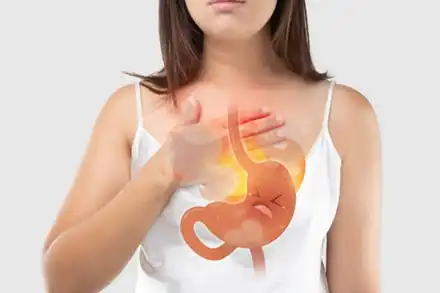
Gastroesophageal Reflux Disease, commonly known as GERD, is a long-term digestive disorder in which stomach acid frequently flows back into the esophagus. The esophagus is the tube that carries food from the mouth to the stomach. When acid from the stomach repeatedly moves upward into this tube, it can irritate its lining and cause discomfort.
Many people occasionally experience acid reflux after eating heavy or spicy meals. However, when acid reflux happens regularly and begins to affect daily life, it may be diagnosed as GERD. This condition can cause symptoms such as heartburn, chest discomfort, sour taste in the mouth, and throat irritation.
GERD is a common condition and can affect people of all ages. If not managed properly, it may lead to complications affecting the esophagus, throat, and digestive system. Fortunately, with proper treatment, lifestyle changes, and supportive care, most people can effectively control the symptoms and improve their quality of life.
Understanding GERD, its causes, symptoms, and treatment options can help individuals manage this condition and prevent long-term complications.
What is Gastroesophageal Reflux Disease (GERD)?
GERD occurs when stomach acid flows backward from the stomach into the esophagus. Normally, a ring-like muscle called the lower esophageal sphincter (LES) acts as a valve between the stomach and the esophagus. This muscle opens to allow food into the stomach and then closes to prevent stomach contents from coming back up.
In people with GERD, this valve may become weak or relax at the wrong time. As a result, stomach acid moves upward into the esophagus, causing irritation and inflammation.
Because the lining of the esophagus is not designed to handle stomach acid, repeated exposure may cause burning sensations and discomfort. Over time, continuous irritation can damage the lining of the esophagus.
GERD is considered a chronic condition because symptoms may continue for months or years if not treated properly.
Causes of GERD
The exact cause of GERD may vary from person to person. Several lifestyle and medical factors can contribute to the development of this condition.
- Weak Lower Esophageal Sphincter – The most common cause of GERD is weakness or improper functioning of the lower esophageal sphincter, allowing acid to move back into the esophagus.
- Overeating– Eating large meals increases pressure on the stomach and may push acid upward into the esophagus.
- Obesity – Excess body weight places pressure on the abdomen and stomach, increasing the risk of reflux.
- Certain Foods – Spicy foods, fatty meals, chocolate, caffeine, citrus fruits, and carbonated drinks may trigger acid reflux.
- Smoking – Smoking can weaken the esophageal sphincter and increase stomach acid production.
- Alcohol Consumption – Alcohol can irritate the digestive system and relax the muscle that prevents acid reflux.
- Pregnancy – Hormonal changes and pressure on the stomach during pregnancy may lead to reflux symptoms.
- Hiatal Hernia – A condition in which part of the stomach pushes upward through the diaphragm can contribute to GERD.
Symptoms of GERD
GERD can cause several uncomfortable symptoms that may vary in severity.
Common symptoms include:
- Burning sensation in the chest (heartburn)
- Sour or bitter taste in the mouth
- Regurgitation of food or stomach acid
- Difficulty swallowing
- Chest discomfort after meals
- Chronic cough
- Hoarseness or voice changes
- Throat irritation
- Feeling of a lump in the throat
- Bloating and indigestion
In some people, GERD may also cause symptoms affecting the throat and voice, including chronic cough, sore throat, or voice strain.
Symptoms may become worse after eating large meals, lying down immediately after eating, or consuming certain foods.
Risk Factors for GERD
Several factors may increase the likelihood of developing GERD.
These include:
- Being overweight or obese
- Eating late at night
- Consuming excessive caffeine
- Smoking tobacco
- Drinking alcohol frequently
- Sedentary lifestyle
- Pregnancy
- Chronic stress
People with these risk factors may experience reflux symptoms more often.
Complications of GERD
If GERD is not treated properly, long-term acid exposure may cause complications.
- Esophagitis – Inflammation of the esophagus caused by repeated acid irritation.
- Esophageal Ulcers – Sores may develop in the esophagus, causing pain and difficulty swallowing.
- Barrett’s Esophagus – Long-term acid reflux may cause changes in the lining of the esophagus, which can increase the risk of serious health problems.
- Narrowing of the Esophagus – Chronic inflammation may lead to scarring and narrowing of the esophagus, making swallowing difficult.
- Respiratory Problems – GERD may also contribute to chronic cough, asthma symptoms, or throat irritation.
Early diagnosis and proper treatment can help prevent these complications.
Diagnosis of GERD
Doctors usually diagnose GERD based on symptoms and medical history. However, additional tests may be recommended if symptoms are severe or persistent.
- Medical Evaluation – The doctor will ask about symptoms, diet, lifestyle habits, and medical history.
- Endoscopy – A thin flexible tube with a camera is used to examine the esophagus and stomach for signs of inflammation.
- pH Monitoring – This test measures the amount of acid in the esophagus over a certain period.
- Esophageal Manometry – This test evaluates the movement and strength of the muscles in the esophagus.
These tests help confirm the diagnosis and determine the severity of GERD.
Treatment of GERD
The treatment of GERD focuses on reducing acid reflux, relieving symptoms, and preventing complications.
- Lifestyle Changes – Simple lifestyle modifications can significantly improve symptoms.
- Dietary Adjustments – Avoiding foods that trigger reflux can help reduce discomfort.
- Weight Management – Maintaining a healthy weight may reduce pressure on the stomach.
- Avoiding Late Meals – Eating meals at least two to three hours before bedtime helps prevent reflux during sleep.
- Elevating the Head While Sleeping – Sleeping with the upper body slightly elevated may reduce nighttime reflux.
- Medical Treatment – Doctors may prescribe medications to reduce acid production or protect the lining of the esophagus.
In severe cases, surgical procedures may be recommended.
Homeopathic Treatment for GERD
Homeopathy offers a holistic approach to managing digestive disorders such as GERD. Instead of only focusing on symptoms, homeopathic treatment aims to address the underlying causes affecting the digestive system.
Homeopathic medicines are selected according to the individual symptoms, lifestyle, and overall health condition of the patient. These remedies may help improve digestion, regulate stomach acid production, and support the body’s natural healing ability.
Many individuals suffering from chronic acidity, heartburn, and digestive discomfort choose homeopathic treatment because it focuses on long-term health improvement rather than temporary relief.
When prescribed by a qualified homeopathic doctor, homeopathic medicines are generally gentle and suitable for long-term management.
Lifestyle Tips to Prevent GERD
Adopting healthy habits can help reduce GERD symptoms and improve digestive health.
- Eat Smaller Meals – Smaller portions are easier to digest and reduce pressure on the stomach.
- Avoid Trigger Foods – Limit spicy, fatty, acidic, and processed foods that may trigger reflux.
- Stay Upright After Meals – Avoid lying down immediately after eating.
- Maintain a healthy weight – A healthy body weight reduces abdominal pressure.
- Reduce Stress – Stress management techniques such as meditation and exercise may improve digestion.
- Drink Adequate Water – Proper hydration supports digestive function.
- Avoid Smoking and Alcohol – Both can worsen reflux symptoms.
When to See a Doctor
You should consult a doctor if:
- Heartburn occurs frequently
- Symptoms last for several weeks
- Difficulty swallowing develops
- There is unexplained weight loss
- Chest discomfort becomes severe
Early medical attention helps prevent complications and improves overall digestive health.
Frequently Asked Questions (FAQs)
What is the difference between acid reflux and GERD?
Acid reflux may occur occasionally, while GERD is a chronic condition in which reflux happens frequently and causes ongoing symptoms.
Can GERD be cured completely?
GERD can often be effectively managed with proper treatment, lifestyle changes, and dietary adjustments.
Can GERD affect the throat?
Yes, stomach acid may irritate the throat and cause symptoms such as chronic cough, sore throat, or hoarseness.
Does stress worsen GERD?
Stress may increase digestive problems and trigger reflux symptoms in some individuals.
Can homeopathy help with GERD?
Homeopathic treatment may support digestive health and help manage symptoms when prescribed according to the individual condition of the patient.
Why choose Dr. Sanjay’s Homoeopathy for Gastroesophageal Reflux Disease (GERD) Treatment in Lucknow, India?
Dr. Sanjay’s Homoeopathy is a trusted clinic for safe and effective Gastroesophageal Reflux Disease (GERD) treatment in Lucknow, India. With more than 22 years of experience, Dr. Sanjay Singh, MD (Homoeopathy), provides specialized homeopathy treatment that helps manage persistent heartburn, acid regurgitation, chest discomfort, throat irritation, bloating, and indigestion naturally without side effects. As a leading homeopathic doctor in Lucknow, he follows international treatment standards and offers a personalized approach that focuses on balancing stomach acid, improving digestive function, reducing esophageal inflammation, and preventing recurrent reflux episodes, making him the best homeopathic doctor for GERD in Lucknow. Patients from across India and around the world choose Dr. Sanjay’s Homoeopathy for its holistic healing, long-lasting relief, and compassionate care in managing chronic digestive conditions like Gastroesophageal Reflux Disease (GERD).