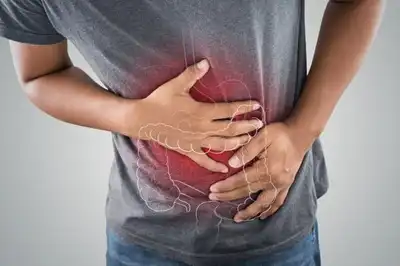
What is Fecal Incontinence?
Fecal Incontinence is a condition in which a person is unable to control bowel movements, leading to accidental leakage of stool. It may range from occasional leakage of gas or small amounts of stool to complete loss of bowel control.
This condition can affect people of all ages, but is more common in:
- Elderly individuals
- Women after childbirth
- People with nerve damage
- Patients with chronic bowel disorders
Fecal incontinence can cause emotional distress, embarrassment, and social isolation, but it is a treatable condition in many cases.
How does normal bowel control work?
Bowel control depends on:
- Strong anal sphincter muscles
- Healthy rectum
- Proper nerve signals
- Normal stool consistency
If any of these systems do not function properly, leakage may occur.
Types of Fecal Incontinence
- Urge Incontinence
- Strong urge to pass stool
- Inability to reach the toilet in time
- Passive Incontinence
- Leakage without awareness
- Often due to nerve damage
- Overflow Incontinence
- Caused by severe constipation
- Hard stool blocks the rectum
- Liquid stool leaks around the blockage
Common Causes of Fecal Incontinence
- Muscle Damage
- Childbirth injury
- Anal surgery
- Trauma
- Nerve Damage
- Diabetes
- Stroke
- Spinal cord injury
- Multiple sclerosis
Loose stools are harder to control.
Hard stool stretches the rectum and weakens muscles.
The rectum protrudes outside the anus.
- Aging
Muscles weaken with age.
Symptoms of Fecal Incontinence
- Accidental stool leakage
- Inability to control gas
- Sudden urge to pass stool
- Soiling of underwear
- Skin irritation around the anus
Symptoms may vary from mild to severe.
How does Fecal Incontinence affect daily life?
This condition can impact:
- Social life
- Work life
- Emotional well-being
- Confidence
- Personal relationships
Many people avoid seeking help due to embarrassment, but early treatment improves quality of life.
Is Fecal Incontinence serious?
While not life-threatening, it can cause:
- Skin infections
- Emotional distress
- Depression
- Reduced quality of life
Proper evaluation identifies treatable causes.
How is Fecal Incontinence diagnosed?
Diagnosis includes:
- Medical history
- Physical examination
- Stool examination
- Colonoscopy (if required)
- Anal manometry
- Ultrasound
Doctors assess muscle strength and nerve function.
Conventional Medical Treatment
Treatment depends on the cause.
- Dietary Changes
- High-fiber diet (if constipation)
- Avoid trigger foods
- Adequate hydration
- Medications
- Anti-diarrheal medicines
- Stool softeners
- Pelvic Floor Exercises
Strengthening sphincter muscles improves control.
- Biofeedback Therapy
Helps retrain muscles.
- Surgery
For severe muscle damage or prolapse.
Homeopathic Treatment for Fecal Incontinence in Lucknow
Homeopathy offers a gentle and holistic approach for managing fecal incontinence. It may help in:
- Improving digestive balance
- Reducing diarrhea
- Managing constipation
- Supporting nerve strength
- Enhancing muscle tone
- Improving emotional confidence
Homeopathic treatment is individualised based on:
- Type of incontinence
- Stool consistency
- Emotional state
- Overall health
Common Homeopathic Medicines Used
(Prescribed only under expert supervision)
- Aloe Socotrina – Sudden urge with loss of control
- Podophyllum – Profuse loose stools
- Causticum – Weak sphincter muscles
- Sulphur – Morning urgency
- Nux Vomica – Constipation-related leakage
Benefits of Homeopathic Treatment
- Natural and non-toxic
- Safe for long-term use
- Helps regulate bowel movements
- Supports nerve and muscle tone
- Improves emotional well-being
- Enhances quality of life
Dietary Tips
- Eat fiber-rich foods
- Avoid excessive caffeine
- Limit spicy foods
- Maintain hydration
- Eat regular meals
Pelvic Floor Exercises
Regular pelvic floor strengthening exercises can improve muscle control. A trained therapist can guide proper technique.
Emotional Impact
Fecal incontinence may cause:
- Shame
- Anxiety
- Fear of public embarrassment
- Social withdrawal
Compassionate care and counselling are important.
Can Fecal Incontinence be prevented?
Prevention includes:
- Managing constipation
- Treating diarrhea early
- Maintaining pelvic muscle strength
- Controlling diabetes
- Healthy diet and exercise
Frequently Asked Questions
Is fecal incontinence common?
Yes, especially in elderly individuals.
Can it be cured?
Many cases improve with treatment.
Is surgery always required?
No, only in severe cases.
Is homeopathy safe?
Yes, Homeopathy is safe for Fecal Incontinence Treatment.
Why choose Dr. Sanjay’s Homoeopathy for Fecal Incontinence Treatment in Lucknow, India?
Dr. Sanjay’s Homoeopathy is a trusted clinic for safe and effective Fecal Incontinence treatment in Lucknow, India. With more than 22 years of experience, Dr. Sanjay Singh, MD (Homoeopathy), provides specialized homeopathy treatment that helps manage loss of bowel control, accidental stool leakage, urgency, weak anal muscles, digestive disturbances, and embarrassment-related stress naturally without side effects. As a leading homeopathic doctor in Lucknow, he follows international treatment standards and offers a personalized approach that focuses on strengthening pelvic floor muscles, improving bowel regulation, restoring nerve control, and preventing recurrence, making him the best homeopathic doctor for Fecal Incontinence in Lucknow. Patients from across India and around the world choose Dr. Sanjay’s Homoeopathy for its holistic healing, long-lasting relief, and compassionate care in managing sensitive colorectal conditions like Fecal Incontinence.