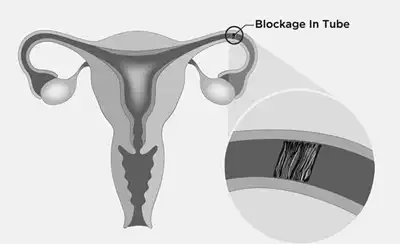
What is Fallopian Tube Blockage?
Fallopian Tube Blockage (also known as tubal blockage) is one of the common causes of female infertility. The fallopian tubes are two thin tubes that connect the ovaries to the uterus and allow the egg to travel for fertilization. When one or both tubes are blocked, the sperm cannot reach the egg, preventing natural conception.
The blockage may be partial or complete, and it can occur in one or both tubes. Many women are unaware of the condition until they face difficulty conceiving. Early diagnosis and proper treatment are important for restoring fertility and preventing complications like ectopic pregnancy.
What are the common symptoms of Fallopian Tube Blockage?
Fallopian tube blockage often has no clear symptoms, but some women may notice signs related to the underlying cause. Common symptoms include:
- Difficulty conceiving despite regular unprotected intercourse
- Irregular or painful menstrual cycles
- Pain in the lower abdomen or pelvic region
- Pain during ovulation or intercourse
- Unusual vaginal discharge
- History of pelvic infections or ectopic pregnancy
In many cases, women discover the condition only during infertility evaluations or imaging tests.
What causes Fallopian Tube Blockage?
There are several reasons why the fallopian tubes may become blocked. The most common causes include:
- Pelvic Inflammatory Disease (PID): Repeated infections in the uterus or fallopian tubes can cause scarring and blockage.
- Sexually Transmitted Infections (STIs): Infections like chlamydia or gonorrhea can lead to inflammation and damage.
- Endometriosis: The presence of endometrial tissue outside the uterus can cause adhesions or block the tubes.
- Previous Surgery: Pelvic or abdominal surgeries can create scar tissue around the fallopian tubes.
- Tubal Ligation or Reversal: Surgical procedures can result in narrowed or blocked tubes.
- Uterine or Pelvic Tumors: Fibroids or growths may compress or obstruct the tubes.
Types of Fallopian Tube Blockage
The blockage can occur at different locations, such as:
- Proximal Blockage: Near the uterus, where the tube begins.
- Distal Blockage: Near the ovary, where the tube ends.
- Partial Blockage: When the tube is not completely closed, allowing limited passage.
- Complete Blockage: When the tube is entirely sealed, preventing any passage of egg or sperm.
Who is at risk of developing Fallopian Tube Blockage?
The risk is higher in women who have:
- History of pelvic or abdominal infection
- Recurrent sexually transmitted infections
- Previous pelvic surgeries or cesarean deliveries
- Endometriosis
- Untreated uterine fibroids or cysts
- Multiple abortions or intrauterine procedures
Is Fallopian Tube Blockage serious?
Yes. While the condition itself may not cause immediate discomfort, it can lead to infertility and ectopic pregnancy, where a fertilized egg implants outside the uterus. Timely diagnosis and appropriate treatment are important to restore fertility and prevent complications.
How is Fallopian Tube Blockage diagnosed?
Diagnosis usually involves a combination of medical history, imaging, and laboratory tests such as:
- Hysterosalpingography (HSG): An X-ray test to check if the tubes are open.
- Ultrasound (Sonohysterography): Helps visualize blockages or abnormalities.
- Laparoscopy: A minor surgical procedure to view and, in some cases, remove the blockage.
- Blood tests: To check for infections or hormonal imbalance.
How is Fallopian Tube Blockage treated?
Treatment depends on the cause, location, and severity of the blockage. The main goals are to remove the obstruction, improve tube function, and enhance fertility.
- Conventional Treatment
- Antibiotics: For infections causing inflammation.
- Laparoscopic Surgery: To remove scar tissue or adhesions.
- Tubal Recanalization: A procedure to open the blocked tubes.
- IVF (In Vitro Fertilization): Recommended when both tubes are severely damaged.
However, surgical options may carry risks like scarring or recurrence, and success rates vary.
How is Fallopian Tube Blockage treated through Homoeopathy?
Homoeopathy offers a natural, non-surgical, and holistic approach to treating fallopian tube blockage. It works by improving the body’s natural healing power, reducing inflammation, dissolving scar tissue, and enhancing the overall reproductive health of the woman.
- Individualized Treatment
Homeopathic treatment is personalized based on the patient’s complete case history, including menstrual pattern, emotional state, past infections, and hormonal balance. It aims to correct the underlying cause rather than just removing the blockage.
- Commonly Used Homoeopathic Medicines for Fallopian Tube Blockage
- Hydrastis Canadensis: For thick, sticky discharges and chronic pelvic inflammation.
- Silicea: Helps clear pus, dissolve scar tissue, and strengthen the immune system.
- Thuja Occidentalis: Useful for blockage caused by pelvic infections or fibroids.
- Pulsatilla Nigricans: For hormonal imbalance, irregular menses, and gentle healing.
- Calcarea Fluorica: For removing fibrous adhesions and restoring tube flexibility.
- Aurum Muriaticum Natronatum: For chronic inflammation of the uterus and tubes.
- Benefits of Homoeopathic Treatment
- Non-surgical and pain-free treatment option
- Reduces inflammation and dissolves adhesions naturally
- Improves fertility by restoring tube function
- Regulates hormones and menstrual health
- Safe for long-term use without side effects
Home Care Tips for Fallopian Tube Health
- Maintain good personal and menstrual hygiene
- Avoid unprotected intercourse with multiple partners
- Treat pelvic infections promptly
- Manage stress and maintain a healthy weight
- Eat a balanced diet rich in vitamins and antioxidants
- Regular exercise to improve pelvic circulation
Can Fallopian Tube Blockage be prevented?
While not all cases can be prevented, certain lifestyle measures can reduce the risk:
- Timely treatment of pelvic or urinary infections
- Avoiding repeated abortions or unnecessary surgeries
- Practicing safe sex
- Strengthening immunity through balanced nutrition
- Regular gynecological check-ups
Fallopian Tube Blockage is a treatable cause of infertility in women. Early diagnosis and proper care can significantly improve the chances of natural conception. While conventional methods focus on surgery or assisted reproduction, homeopathy offers a natural, gentle, and effective alternative that aims to restore reproductive health and promote natural pregnancy.
Why choose Dr. Sanjay’s Homoeopathy for Fallopian Tube Blockage Treatment in Lucknow, India?
Dr. Sanjay’s Homoeopathy is a trusted center for Fallopian Tube Blockage treatment in Lucknow, India, offering safe and personalized homeopathic solutions for women struggling with infertility. Dr. Sanjay Singh, with years of experience in women’s reproductive health, provides individualized treatment plans that focus on reducing inflammation, clearing blockages naturally, and improving fertility without surgery.
Patients trust Dr. Sanjay’s Homoeopathy for its compassionate care, natural healing approach, and proven success in restoring reproductive balance. With dedicated attention and holistic treatment, many women have achieved natural conception and regained confidence through homeopathy. Patients from across the world visit Dr. Sanjay’s Homoeopathy for Fallopian Tube Blockage Homeopathic Treatment in Lucknow, India. Dr. Sanjay Singh successfully treats thousands of patients with Fallopian Tube Blockage Problem.