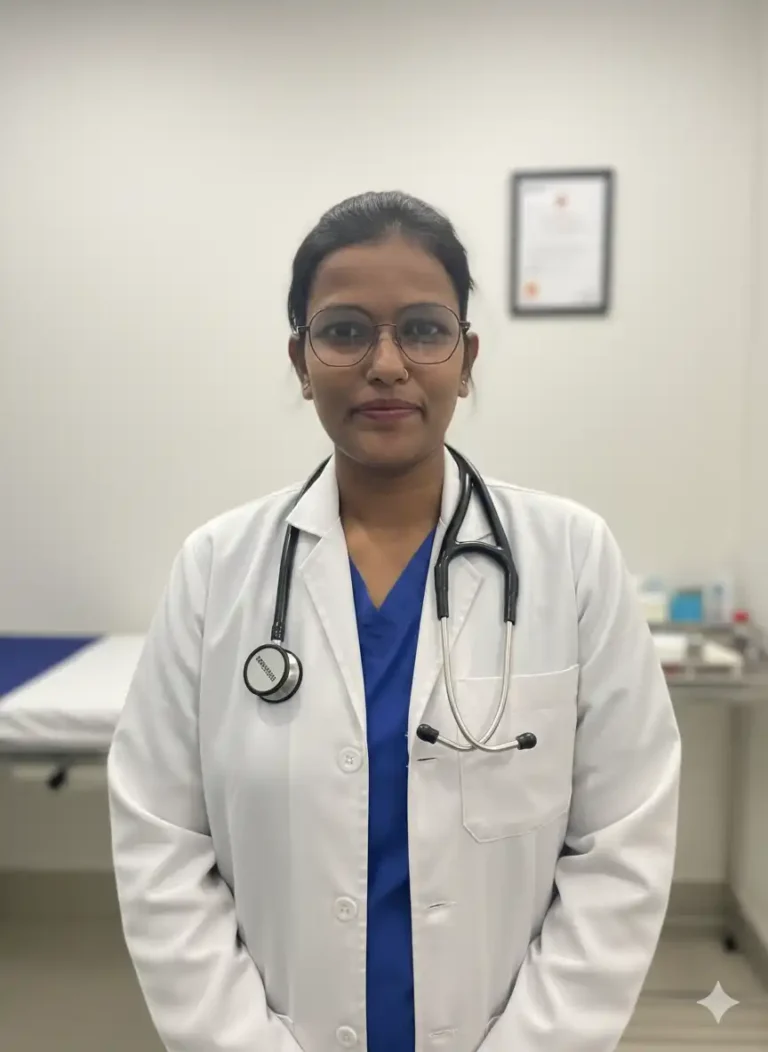
What is an Eating Disorder?
Eating Disorder is a serious mental and behavioral health condition that affects how a person thinks about food, eating, and body image. People with eating disorders may eat too little, too much, or have an unhealthy obsession with weight or appearance. This leads to physical, emotional, and social problems, affecting overall health and daily life.
Common types include Anorexia Nervosa (extreme restriction of food), Bulimia Nervosa (binge eating followed by purging), and Binge Eating Disorder (eating large amounts of food without control). Early diagnosis and treatment are essential for recovery and to prevent long-term complications.
What are the common symptoms of Eating Disorders?
Symptoms may vary depending on the type, but the most common ones include:
- Extreme concern about body weight and shape
- Skipping meals or eating very little
- Binge eating or eating secretly
- Vomiting after meals or using laxatives
- Excessive exercise to lose weight
- Mood swings, irritability, or guilt after eating
- Weakness, fatigue, and poor concentration
- Irregular menstrual cycles (in women)
- Hair loss, dry skin, or brittle nails
These signs can appear gradually, often noticed by family members or friends before the person recognizes the problem.
What causes Eating Disorders?
The exact cause is complex, involving psychological, biological, and social factors:
- Genetic factors: Family history of eating or mood disorders
- Emotional stress: Low self-esteem, anxiety, or depression
- Societal pressure: Unrealistic beauty standards and body image expectations
- Hormonal imbalance: Changes in appetite-regulating hormones
- Trauma or abuse: Emotional or physical trauma can trigger disordered eating
- Perfectionism: Fear of failure or desire for control over body image
Types of Eating Disorders
- Anorexia Nervosa: Extreme fear of gaining weight, leading to starvation and excessive thinness.
- Bulimia Nervosa: Repeated episodes of binge eating followed by purging or fasting.
- Binge Eating Disorder: Uncontrolled overeating without purging, leading to obesity.
- Avoidant/Restrictive Food Intake Disorder (ARFID): Avoiding certain foods due to taste, texture, or fear of choking.
Who is at risk of developing an Eating Disorder?
Anyone can develop an eating disorder, but higher risk is seen in:
- Teenagers and young adults
- People under chronic stress or emotional pressure
- Those with a family history of eating or mood disorders
- Individuals exposed to social media pressure
- Athletes or performers focused on weight control
- People with perfectionist or obsessive personalities
Is an Eating Disorder a serious condition?
Yes, eating disorders are serious and potentially life-threatening if left untreated. They can cause severe malnutrition, heart problems, bone weakness, digestive issues, infertility, and depression. However, with early intervention, emotional support, and holistic care, most patients can recover fully and lead healthy, balanced lives.
How is an Eating Disorder diagnosed?
Diagnosis involves a detailed psychological and medical evaluation:
- Physical examination: To check for malnutrition and body changes
- Psychological assessment: To identify emotional triggers and thought patterns
- Nutritional analysis: To evaluate eating habits and deficiencies
- Blood and hormone tests: To rule out other underlying conditions
- Family history: To assess hereditary influence
How is an Eating Disorder treated?
Treatment aims to restore healthy eating habits, address emotional issues, and prevent relapses.
Conventional Medical Treatment
- Nutritional therapy: To correct deficiencies and create a balanced diet plan
- Psychotherapy (CBT): Helps change negative thought patterns and build self-esteem
- Medication: Antidepressants or anti-anxiety drugs may be prescribed if required
- Family counseling: To support recovery and reduce emotional triggers
How is an Eating Disorder treated through Homoeopathy?
Homeopathy offers a natural, gentle, and holistic approach to managing eating disorders by addressing both mental and physical aspects of the condition. It helps calm emotional instability, improves self-control, restores appetite, and strengthens the body’s natural healing system. Rather than focusing only on diet, it works on deep-rooted issues like anxiety, guilt, body image concerns, and emotional trauma.
Individualized Approach
At Dr. Sanjay’s Homoeopathy, treatment is highly personalized. Each remedy is prescribed after a detailed evaluation of emotional state, food habits, triggers, and personality. The goal is to achieve long-term emotional balance, natural appetite regulation, and a positive self-image—without side effects.
Commonly Used Homoeopathic Medicines for Eating Disorders
- Ignatia Amara: For eating disturbances linked to grief, stress, or emotional shock
- Natrum Muriaticum: For silent sufferers who suppress emotions and skip meals
- Calcarea Carbonica: For compulsive eating and weight gain with fatigue
- Antimonium Crudum: For binge eating and digestive discomfort
- Lycopodium: For bloating, poor digestion, and fear of failure
Benefits of Homoeopathic Treatment
- Balances emotional and physical health naturally
- Reduces food-related anxiety and guilt
- Improves digestion, appetite, and energy levels
- Restores confidence and emotional stability
- Safe, gentle, and non-addictive treatment without side effects
Home Remedies and Lifestyle Tips for Eating Disorders
- Eat small, balanced meals regularly
- Avoid comparing your body with others
- Practice meditation, yoga, or deep breathing to reduce stress
- Surround yourself with positive, supportive people
- Avoid fad diets and extreme exercise routines
- Seek counseling or therapy if needed
- Get enough rest and sleep daily
Can Eating Disorders be prevented?
While not always preventable, awareness and healthy habits can reduce the risk. You can:
- Promote body positivity and self-acceptance
- Manage stress effectively through relaxation practices
- Avoid unrealistic dieting or weight goals
- Encourage open discussions about emotions and mental health
- Seek early help if disordered eating signs appear
Why choose Dr. Sanjay’s Homoeopathy for Eating Disorder Treatment in Lucknow, India?
Dr. Sanjay’s Homoeopathy is one of the most trusted centers for Eating Disorder treatment in Lucknow, India, known for its compassionate, holistic, and non-invasive approach. Dr. Sanjay Singh combines emotional healing with personalized remedies to help patients naturally regain physical health and mental balance.
Patients from India and abroad trust the clinic for its caring environment, long-term recovery success, and side-effect-free results. The treatment focuses not only on correcting eating patterns but also on restoring self-worth, confidence, and inner peace — leading to complete mind-body wellness. Dr. Sanjay Singh is the best doctor in Lucknow for Eating Disorders. Patients from across the world trust his treatment approach; he successfully treats thousands of patients with Eating Disorders. He is one of the Best Homeopathic Doctor for Eating Disorder Treatment in Lucknow, India.