Introduction
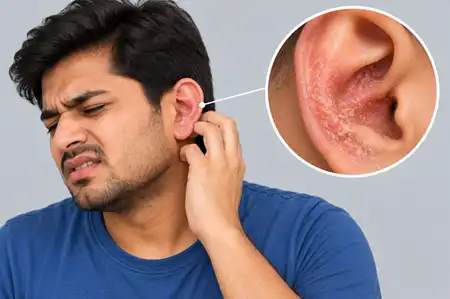
Ear eczema is a skin condition that causes dryness, itching, redness or discoloration, and irritation on or around the ears. It may affect the outer ear, earlobes, skin behind the ears, or the ear canal. The symptoms can range from mild dryness and flaking to persistent itching, cracking, and inflammation.
Ear eczema is not contagious, but recurring symptoms can cause discomfort and may increase the risk of skin infection if the affected area is repeatedly scratched. It can be associated with atopic dermatitis, contact allergies, seborrheic dermatitis, or exposure to irritating products.
Understanding the type of ear eczema and identifying possible triggers are important for choosing appropriate treatment and preventing repeated flare-ups.
What is Ear Eczema?
Ear eczema is inflammation of the skin on, behind, or inside the ears. It occurs when the skin barrier becomes irritated or loses its ability to retain moisture effectively, making the skin more vulnerable to dryness, allergens, and other irritants.
The condition can affect people of all ages. Some individuals experience occasional flare-ups, while others have persistent or recurring symptoms.
Ear eczema may resemble other conditions, including psoriasis, fungal infections, and infections of the external ear canal. A healthcare professional can help distinguish between these conditions, especially when symptoms include pain, discharge, or hearing changes.
What are the Symptoms of Ear Eczema?
The symptoms of ear eczema vary depending on the affected area and the severity of inflammation.
Common symptoms include:
- Itching: Persistent itching on the outer ear, behind the ears, or inside the ear canal.
- Dry skin: The affected skin may feel rough, tight, or unusually dry.
- Redness or discoloration: Inflamed skin may appear red, pink, purple, brown, or darker than the surrounding skin.
- Flaking and scaling: Small flakes of skin may appear around the ears.
- Crusting: Dried skin or fluid may form crusts over irritated areas.
- Swelling: The outer ear may become mildly swollen or inflamed.
- Cracked skin: Persistent dryness and scratching can cause small cracks or fissures.
- Thickened skin: Repeated rubbing and scratching may make the skin thicker over time.
- Burning or irritation: Some people experience a stinging or burning sensation.
- Discomfort inside the ear: Eczema affecting the ear canal may cause itching, a blocked sensation, or irritation.
Pain, pus-like discharge, increasing warmth, or worsening swelling may indicate an infection rather than uncomplicated eczema and should be medically assessed.
What are the Causes of Ear Eczema?
Ear eczema can develop due to several factors, including skin sensitivity, inflammation, allergies, and exposure to irritants.
1. Atopic Dermatitis
People with atopic dermatitis have a skin barrier that is more susceptible to dryness and irritation. Ear eczema may occur alongside eczema affecting the face, scalp, neck, or other body areas.
A personal or family history of eczema, asthma, or allergic rhinitis may increase the likelihood of atopic dermatitis.
2. Contact Dermatitis
Contact dermatitis develops when the skin reacts to a substance that irritates it or triggers an allergic reaction.
Possible triggers include:
- Nickel or other metals in earrings.
- Hair dyes and styling products.
- Shampoos, conditioners, and soaps.
- Perfumes and cosmetics.
- Earphones and hearing aids.
- Certain skin-care products.
- Cleaning products or other chemical irritants.
Avoiding the substance responsible for the reaction can help reduce recurring symptoms.
3. Seborrheic Dermatitis
Seborrheic dermatitis is an inflammatory skin condition that commonly affects oily areas, including the scalp, eyebrows, sides of the nose, and ears.
It may cause greasy or dry scales, itching, and discoloration. People with seborrheic dermatitis may also experience dandruff or flaky skin behind the ears.
4. Dry Weather and Low Humidity
Cold weather, low humidity, and frequent exposure to dry air can contribute to skin dryness. The skin around the ears may become irritated, itchy, and more prone to cracking.
5. Excessive Cleaning
Frequent washing with harsh soaps, vigorous rubbing, and attempts to remove earwax using cotton buds can irritate the delicate skin around or inside the ear.
The ear canal has a natural protective mechanism, so inserting objects to clean it may cause further irritation or injury.
6. Allergies
People with sensitive skin or allergic conditions may be more susceptible to certain contact reactions. Earrings, cosmetics, hair products, and other substances can trigger inflammation in susceptible individuals.
7. Repeated Friction
Headphones, hearing aids, helmets, and other objects that rub against the ears may contribute to irritation. Poorly fitting devices can increase friction, sweating, and skin discomfort.
8. Existing Skin Conditions
People with eczema elsewhere on the body or conditions such as seborrheic dermatitis may be more likely to develop irritation around the ears.
Identifying the underlying skin condition is important because different conditions may require different treatments.
Types of Ear Eczema
Ear eczema can occur in several forms, depending on the underlying cause.
1. Atopic Ear Eczema
This form is associated with atopic dermatitis and commonly causes dryness, itching, inflammation, and recurring flare-ups. It may affect the outer ear and the skin behind the ears.
2. Allergic Contact Dermatitis
Allergic contact dermatitis occurs when the immune system reacts to a particular substance, such as nickel in earrings or an ingredient in a cosmetic product.
Symptoms may appear after repeated exposure and can include itching, swelling, redness, and scaling.
3. Irritant Contact Dermatitis
This form develops when a substance or repeated physical exposure damages the skin barrier. Harsh cleansers, excessive moisture, friction, and frequent rubbing can contribute to irritation.
4. Seborrheic Dermatitis of the Ear
This condition commonly affects the skin around the ear folds and behind the ears. It may cause flaky or greasy scales and can occur alongside scalp dandruff.
5. Dry or Asteatotic Eczema
Dry eczema can develop when the skin loses moisture and becomes rough, itchy, and cracked. Cold weather, low humidity, and harsh skin-care products may aggravate the condition.
Correctly identifying the type of eczema helps guide treatment and reduce recurring symptoms.
Risk Factors for Ear Eczema
Certain factors may increase the likelihood of developing ear eczema, including:
- A personal or family history of eczema.
- Asthma or allergic rhinitis.
- Sensitive or easily irritated skin.
- Wearing earrings containing nickel or other allergens.
- Frequent use of hair dyes or fragranced products.
- Regular use of headphones or hearing aids that cause friction.
- Exposure to cold weather or low humidity.
- Frequent scratching or cleaning inside the ear.
- A history of seborrheic dermatitis or other inflammatory skin conditions.
Not everyone with these risk factors develops ear eczema. The combination of skin sensitivity, environmental exposure, and individual susceptibility can influence symptoms.
Diagnosis of Ear Eczema
A healthcare professional may diagnose ear eczema by examining the affected skin and reviewing the person’s symptoms and medical history.
1. Physical Examination
The healthcare professional checks for dryness, scaling, discoloration, swelling, crusting, and other signs of skin inflammation.
If symptoms affect the ear canal, an examination using an otoscope may be needed.
2. Medical History
Questions may cover when symptoms started, whether they recur, what makes them worse, and whether the person has a history of allergies, eczema, or other skin conditions.
The use of earrings, headphones, hearing aids, cosmetics, and hair-care products may also be reviewed.
3. Allergy Testing
Patch testing may be recommended if allergic contact dermatitis is suspected. This can help identify substances that trigger delayed skin reactions.
4. Additional Tests
If the diagnosis is uncertain or an infection is suspected, further examination or testing may be needed. Persistent or unusual symptoms may require assessment by a dermatologist or an ear, nose, and throat specialist.
Treatment for Ear Eczema
The treatment of ear eczema depends on its type, severity, location, and possible triggers.
1. Avoiding Irritants and Allergens
Identifying and avoiding the substances responsible for irritation is an important part of management.
Consider switching to fragrance-free skin-care products and avoiding earrings or devices that appear to trigger symptoms. If a particular product repeatedly causes irritation, stop using it and discuss persistent symptoms with a healthcare professional.
2. Moisturizing the Affected Skin
A suitable fragrance-free cream or ointment may help protect the skin barrier and reduce dryness on the outer ear.
Moisturizers should be applied only to the external skin unless a healthcare professional specifically recommends a product for use inside the ear canal.
3. Topical Corticosteroids
A healthcare professional may recommend a topical corticosteroid to reduce inflammation and itching. The strength and duration of treatment depend on the affected area and the severity of symptoms.
The skin inside the ear canal is delicate, so do not put steroid creams or ointments into the canal unless specifically instructed by a qualified professional.
4. Treatment for Seborrheic Dermatitis
If the symptoms are caused by seborrheic dermatitis, treatment may include appropriate antifungal or anti-inflammatory products. The correct preparation depends on whether the condition affects the scalp, outer ear, or ear canal.
5. Managing Allergic Contact Dermatitis
When an allergy is identified, avoiding the responsible substance is essential. A healthcare professional may also recommend medication to control inflammation and itching.
6. Avoiding Scratching
Scratching can damage the skin, increase inflammation, and introduce bacteria. Keeping fingernails short and using suitable treatment to control itching may help prevent further injury.
7. Treating Secondary Infection
If the affected skin becomes infected, a healthcare professional may recommend specific treatment based on the type of infection. Antibiotics or antifungal medicines should not be used without an appropriate indication.
8. Specialist Care for Persistent Symptoms
If ear eczema repeatedly returns, does not improve with treatment, or affects the ear canal, specialist evaluation may be necessary. The diagnosis may need to be reconsidered, and treatment adjusted accordingly.
Homeopathic Treatment for Ear Eczema
People experiencing recurring ear eczema may seek an individualized consultation to discuss their symptoms, possible triggers, skin sensitivity, and overall health.
At Dr. Sanjay’s Homoeopathy, consultations with Dr. Sanjay Singh, MD (Homoeopathy), can include a discussion of symptom patterns, medical history, lifestyle, and previous treatments. This information can help organize the patient’s concerns and identify questions that may need further medical evaluation.
Homeopathic Remedies for Ear Eczema
In traditional homeopathic practice, some remedies have historically been associated with particular patterns of itching, dryness, scaling, or skin irritation. These include:
1. Graphites
Traditionally described in homeopathic literature in connection with dry, cracked skin and certain types of crusting.
2. Sulphur
Traditionally associated with itching, burning sensations, and recurring skin complaints.
3. Petroleum
Traditionally described for very dry, rough, or cracked skin.
4. Mezereum
Traditionally associated with selected skin complaints involving crusting and irritation.
5. Rhus Toxicodendron
Traditionally used in homeopathic practice for certain patterns of itching and skin irritation.
These descriptions represent traditional homeopathic use and do not establish that the remedies are effective for ear eczema. High-quality clinical evidence supporting homeopathic remedies for eczema is lacking. Do not place remedies, oils, creams, or other unapproved substances into the ear canal, and do not discontinue prescribed treatment in favour of homeopathy.
Lifestyle Tips for Managing Ear Eczema
Simple skin-care measures can help reduce irritation and may lower the risk of flare-ups.
1. Use Gentle Skin-Care Products
Choose fragrance-free products designed for sensitive skin. Avoid harsh soaps, strong fragrances, and products that repeatedly cause irritation.
2. Avoid Scratching or Rubbing
Scratching may worsen inflammation and damage the skin. Clean the external ear gently without rubbing or scraping.
3. Keep Objects Out of the Ear Canal
Avoid cotton buds, fingernails, hairpins, and other objects inside the ear. They can injure the skin, push earwax deeper, and increase the risk of infection.
4. Identify Triggers
Keep track of products or activities that appear to worsen symptoms. Possible triggers include earrings, hair dyes, headphones, hearing aids, or particular skin-care products.
5. Protect the Skin From Dry Weather
Cold weather and dry air may worsen skin irritation. Use a suitable moisturizer on the outer ear and protect the area from harsh environmental conditions.
6. Clean Hearing Devices Carefully
Follow the manufacturer’s instructions for cleaning headphones and hearing aids. If a device causes repeated irritation, seek professional advice about fit, materials, or alternative options.
7. Avoid Unprescribed Ear Drops
Some ear drops may irritate sensitive skin or cause allergic reactions. Ask a healthcare professional which products are suitable, especially if the ear canal is affected.
8. Follow the Recommended Treatment Plan
Use prescribed creams or other medicines as directed. If symptoms persist or return frequently, arrange a follow-up assessment rather than repeatedly self-treating.
When to See a Doctor for Ear Eczema
Seek medical advice if itching, scaling, or irritation persists, keeps returning, or does not improve with appropriate skin care.
Arrange prompt assessment if you experience:
- Increasing pain or tenderness.
- Fluid, pus, or unusual discharge from the ear.
- Significant swelling or redness.
- Fever or signs of infection.
- A blocked sensation or reduced hearing.
- Repeated cracking, bleeding, or crusting.
- Symptoms that worsen despite treatment.
Seek urgent medical care for sudden hearing loss, severe pain, rapidly spreading redness or swelling, or significant dizziness. These symptoms may indicate a problem other than uncomplicated eczema.
Frequently Asked Questions About Ear Eczema
What is ear eczema?
Ear eczema is an inflammatory skin condition that causes itching, dryness, scaling, and irritation on or around the ears. It can affect the outer ear, the skin behind the ears, and sometimes the ear canal.
What causes eczema in the ears?
Possible causes include atopic dermatitis, allergic contact dermatitis, seborrheic dermatitis, dry weather, and irritation from soaps, hair products, earrings, headphones, or hearing aids.
Is ear eczema contagious?
No. Ear eczema itself is not contagious and does not spread from one person to another through ordinary contact.
Can ear eczema affect hearing?
Ear eczema affecting the ear canal may cause swelling, crusting, or a blocked sensation that can interfere with hearing. Hearing changes should be assessed by a healthcare professional because other conditions may be responsible.
How can I relieve itching caused by ear eczema?
Avoid scratching, stop using suspected irritants, and use a suitable fragrance-free moisturizer on the external skin. A healthcare professional can recommend appropriate medication if the inflammation persists. Do not insert creams or oils into the ear canal without medical advice.
Can ear eczema be cured permanently?
Ear eczema may be a recurring condition, especially when associated with atopic dermatitis or ongoing exposure to triggers. Identifying the cause, following appropriate treatment, and protecting the skin may help control symptoms and reduce flare-ups.
What is the difference between ear eczema and an ear infection?
Ear eczema commonly causes itching, dryness, scaling, and irritation. An ear infection may cause increasing pain, discharge, swelling, or hearing changes. The conditions can overlap, so a professional examination may be needed to distinguish them.
Can earrings cause ear eczema?
Yes. Nickel and other metals can trigger allergic contact dermatitis in susceptible individuals. Avoiding the responsible material may help prevent recurring symptoms.
Why choose Dr. Sanjay’s Homoeopathy for Ear Eczema Treatment in Lucknow, India?
Dr. Sanjay’s Homoeopathy is a trusted Homeopathic clinic for ear eczema treatment in Lucknow, India. With more than 22 years of experience, Dr. Sanjay Singh, MD (Homoeopathy) focuses on understanding each patient’s symptoms, health history, skin sensitivity, and lifestyle to provide personalized homeopathic consultation. The clinic emphasizes a holistic approach, compassionate care, and treatment planning based on individual health concerns. Patients seeking guidance for recurring ear eczema can learn more about Dr. Sanjay’s Homoeopathy. Patients from across the world trust Dr. Sanjay’s Homeopathy for Ear Eczema Treatment in India.