What is Dry Eye Syndrome?
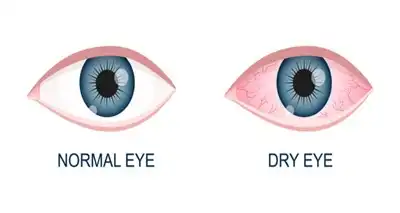
Dry Eye Syndrome, also known as Dry Eye Disease, is a common eye condition that happens when your eyes do not make enough tears or when your tears evaporate too quickly. Tears are very important for keeping your eyes healthy, moist, and comfortable.
When the tear film is not balanced, the eyes may feel dry, itchy, or irritated — like there’s dust or sand inside. In severe cases, it can even affect your vision or make daily activities like reading, driving, or using a computer uncomfortable.
Dry eye is not just a minor issue; it is a long-term condition that requires proper care and treatment to avoid eye damage.
What are the common symptoms of Dry Eye Syndrome?
People with dry eyes may experience one or more of the following symptoms:
- Burning, stinging, or itching in the eyes
- A feeling of dryness or grittiness (like sand in the eye)
- Redness or irritation
- Blurred vision, especially after reading or using screens
- Eye fatigue or heaviness
- Watery eyes (as a reflex to dryness)
- Sensitivity to light (photophobia)
- Difficulty wearing contact lenses
- Mucus discharge from the eyes
If these symptoms continue for several days or worsen over time, it’s important to consult an eye specialist.
What causes Dry Eye Syndrome?
There are several possible causes of dry eye. The main reasons include reduced tear production, poor tear quality, or excessive tear evaporation.
- Decreased tear production
- Aging (tear production decreases naturally with age)
- Hormonal changes, especially in women
- Medical conditions such as diabetes, thyroid disorders, or autoimmune diseases
- Certain medications (antihistamines, antidepressants, blood pressure drugs)
- Vitamin A deficiency
- Increased tear evaporation
- Long hours in front of screens (less blinking)
- Wind, smoke, or dry air exposure
- Eyelid problems like incomplete blinking
- Meibomian gland dysfunction (reduced oil production in tears)
- Imbalance in tear composition
Healthy tears have water, oil, and mucus. When any one of these components is lacking or poor in quality, tears evaporate quickly, causing dryness.
Who is at risk for Dry Eye Syndrome?
You may be more prone to dry eye if you:
- Are above 50 years of age
- Are you a woman, especially during menopause
- Work on computers or mobiles for long hours
- Wear contact lenses regularly
- Live in a dry, dusty, or air-conditioned environment
- Take certain medications such as antihistamines or antidepressants
- Suffer from autoimmune diseases like rheumatoid arthritis or lupus
Can Dry Eye Syndrome affect vision?
Yes. Tears are essential for maintaining a clear and smooth eye surface. When the eyes are dry, the cornea can become inflamed or damaged, leading to blurred vision, eye strain, or even corneal ulcers in severe cases.
How is Dry Eye Syndrome diagnosed?
Your eye specialist may perform several tests to diagnose dry eye:
- Eye examination: To look for redness, inflammation, or surface damage.
- Tear quantity test (Schirmer’s test): Measures how much tears your eyes produce.
- Tear breakup time test: Checks how quickly your tears evaporate.
- Slit-lamp test: Examines the surface of your eyes under magnification.
Based on these results, your doctor will identify the cause and suggest suitable treatment.
What are the types of Dry Eye Syndrome?
Dry Eye Syndrome can be classified into two main types:
- Aqueous-deficient dry eye: Caused by decreased tear production.
- Evaporative dry eye: Caused by excessive evaporation due to poor tear film quality.
Some people may experience a combination of both types.
What triggers Dry Eye Syndrome?
Common triggers that worsen dry eye include:
- Windy or smoky surroundings
- Air-conditioned or heated rooms
- Prolonged screen time
- Wearing contact lenses for long periods
- Lack of sleep or dehydration
- Certain cosmetic or skincare products near the eyes
How is Dry Eye Syndrome treated?
Treatment for dry eye depends on its cause and severity. The goal is to restore tear balance and reduce discomfort.
- Artificial Tears or Lubricating Eye Drops: These are over-the-counter drops that help moisten the eyes and provide temporary relief from dryness.
- Prescription Eye Drops: In moderate to severe cases, your doctor may prescribe anti-inflammatory drops like cyclosporine or lifitegrast to increase tear production.
- Warm Compresses & Eyelid Cleaning: Applying a warm compress helps open blocked oil glands and improve tear film stability.
- Omega-3 Supplements: Fish oil or flaxseed oil supplements can improve tear quality naturally.
- Environmental and Lifestyle Adjustments:-
- Blink regularly during screen use.
- Avoid direct air from fans or ACs.
- Use a humidifier in dry environments.
- Drink plenty of water daily.
- Eat a diet rich in omega-3 fatty acids.
How is Dry Eye Syndrome treated through Homoeopathy?
Homoeopathy offers a gentle, natural, and effective approach to treating Dry Eye Syndrome by addressing the root cause of the problem rather than just masking symptoms. Instead of simply adding moisture, homoeopathy stimulates your body’s natural ability to maintain healthy tear production and eye lubrication.
- Individualized Treatment
Homoeopathy treats every patient as unique. The doctor studies the complete case — including emotional stress, medical history, and lifestyle — before prescribing a remedy.
- Holistic Healing
Rather than focusing only on eye dryness, homoeopathic medicines work on improving the body’s overall balance and immunity. This helps in long-term relief without side effects.
- Commonly Used Homoeopathic Medicines for Dry Eyes
- Euphrasia (Eyebright):
Useful for burning, irritation, and watering eyes, especially in bright light or wind. - Belladonna:
Recommended when the eyes are red, dry, and sensitive to light, with a hot or throbbing sensation. - Sulphur:
Effective for chronic dryness with itching and redness that worsens with heat or in the evening. - Natrum Muriaticum:
Patients who feel a sandy or gritty sensation in their eyes often suffer from dryness in emotional situations. - Arsenicum Album:
Helps when eyes burn, tear excessively, and feel better with warm applications.
- Advantages of Homoeopathic Treatment
- Treats the root cause of dryness
- Safe and natural, without side effects
- Improves tear film quality naturally
- Offers long-term relief and prevention of recurrence
- Suitable for all age groups, including the elderly
Homoeopathy is particularly beneficial for chronic dry eye patients, where conventional eye drops provide only temporary comfort. Regular follow-ups and individualised prescriptions ensure sustained improvement.
What are the best home remedies for Dry Eye Syndrome?
You can try simple home remedies along with medical or homoeopathic treatment:
- Blink frequently, especially during screen time
- Apply a warm compress for 10 minutes daily
- Keep eyelids clean and free from oil buildup
- Drink at least 8 glasses of water daily
- Avoid smoking and exposure to dust
- Include omega-3-rich foods like walnuts, flaxseeds, and salmon in your diet
Can Dry Eye Syndrome be cured permanently?
Dry eye can often be managed effectively, but may not always be cured permanently. However, with regular eye care, homoeopathic treatment, and healthy lifestyle habits, you can maintain comfortable vision and prevent flare-ups.
When should you see a doctor?
Seek medical advice if you experience:
- Persistent eye redness or irritation
- Blurred vision that doesn’t clear up
- Pain or sensitivity to light
- No improvement even after using eye drops
Early diagnosis helps prevent complications and ensures better results.
Dry Eye Syndrome is a common yet manageable condition. Understanding its causes, identifying triggers, and following the right treatment plan can help you keep your eyes healthy and comfortable.
Homoeopathy plays a vital role in providing long-lasting relief by treating the root cause of the problem naturally and safely. With proper care and guidance, you can protect your eyes from chronic dryness and discomfort.
Why choose Dr. Sanjay’s Homoeopathy for Dry Eye Syndrome Treatment in Lucknow, India?
Dr. Sanjay’s Homoeopathy is a trusted clinic for safe and effective Dry Eye Syndrome treatment in Lucknow, India. With years of expertise, Dr. Sanjay Singh provides specialised homoeopathy treatment that helps manage eye dryness, burning sensation, redness, irritation, blurred vision, and excessive tearing naturally without side effects. As a leading homoeopathic doctor for Dry Eye Syndrome in Lucknow, he follows international treatment standards and offers personalised care that focuses on improving tear production, reducing inflammation, and restoring natural eye lubrication. Patients choose Dr. Sanjay’s Homoeopathy for its holistic healing, long-lasting relief, and compassionate approach in managing chronic eye conditions like Dry Eye Syndrome. Patients from all over the world trust Dr. Sanjay Singh for their root cause treatment approach, and he treats thousands of dry eye syndrome patients every here.
To seek an Expert Consultation for Dry Eye Syndrome Homoeopathic Treatment in Lucknow, India: