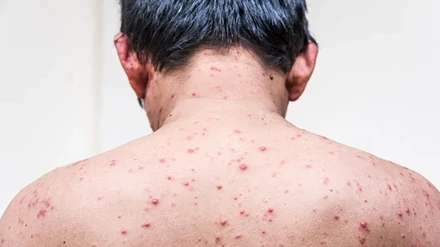
Chickenpox, also called Varicella, is a highly contagious viral infection that usually causes an itchy rash with small fluid-filled blisters. Fever, tiredness, headache, and loss of appetite may appear before or along with the rash.
Chickenpox is often mild in children, but it can be more serious in adults, pregnant women, babies, and people with weakened immune systems.
What is Chickenpox?
Chickenpox is caused by the varicella-zoster virus (VZV). It spreads easily from an infected person to someone who has not previously had the infection or vaccination.
The rash usually develops in stages. Spots become raised bumps, then itchy fluid-filled blisters, and finally scabs. New spots can continue to appear for several days, so different stages of the rash may be visible at the same time.
After recovery, the virus remains inactive in nerve cells. It can reactivate later in life and cause shingles (herpes zoster).
What are the Symptoms of Chickenpox?
Symptoms can vary from person to person. Common symptoms include:
- Itchy skin rash
- Small red spots
- Fluid-filled blisters
- Scabs over the blisters
- Fever
- Headache
- Tiredness
- Loss of appetite
- General body discomfort
In many cases, fever and tiredness may begin 1–2 days before the rash, particularly in older children and adults.
The rash commonly begins around the face, scalp, chest, or back and can then spread to other parts of the body. It may also occur inside the mouth or around the eyes.
What Causes Chickenpox?
Chickenpox is caused by the varicella-zoster virus.
The virus can spread through:
- Respiratory droplets and airborne particles
- Close contact with an infected person
- Direct contact with fluid from chickenpox blisters
A person can spread chickenpox 1–2 days before the rash appears and remains contagious until the lesions have crusted over.
Is Chickenpox Contagious?
Yes. Chickenpox is highly contagious.
People who have never had chickenpox or have not been vaccinated can become infected after close exposure to someone with chickenpox.
A person with chickenpox should avoid close contact with people who may be at higher risk of severe disease, particularly pregnant women, newborns, and people with weakened immune systems.
Stages of Chickenpox
Chickenpox rash usually develops gradually.
Stage 1 – Red Spots
Small red or pink spots may appear on the skin.
Stage 2 – Raised Bumps
The spots become raised and develop into small bumps.
Stage 3 – Fluid-Filled Blisters
The bumps turn into itchy blisters containing clear fluid.
Stage 4 – Crusting
The blisters dry out and develop scabs. New spots may appear while older ones are already crusting.
The rash usually develops over around 5–7 days, while complete recovery can take longer.
Chickenpox in Children
Chickenpox is often mild in otherwise healthy children, but children can still develop complications.
Common symptoms include:
- Itchy rash
- Mild to moderate fever
- Tiredness
- Loss of appetite
- Irritability
Keeping fingernails short can help reduce scratching and lower the risk of bacterial infection of the skin.
Chickenpox in Adults
Chickenpox can be more severe in adults than in children. Adults may experience more significant fever and complications, including pneumonia.
Anyone who develops chickenpox as an adult should monitor symptoms carefully and discuss treatment with a healthcare professional.
Complications of Chickenpox
Most healthy people recover without major problems, but complications can occur.
Possible complications include:
- Bacterial infection of the skin
- Pneumonia
- Dehydration
- Brain inflammation
- Problems with balance or coordination
- Bloodstream infection
- Bleeding complications
The risk of serious complications is higher in babies, adolescents, adults, pregnant women, and people with weakened immune systems.
How is Chickenpox Diagnosed?
Doctors can often diagnose chickenpox by looking at the characteristic rash and asking about the symptoms.
In some cases, laboratory testing may be needed, particularly when the rash is unusual or the person has been vaccinated or has a weakened immune system. PCR testing can be used to confirm varicella-zoster virus infection.
Treatment for Chickenpox
For most otherwise healthy people, treatment focuses on relieving symptoms and preventing complications.
Medical Treatment
A healthcare professional may recommend treatment according to the person’s age, symptoms, and risk factors.
Antiviral medicines such as acyclovir may be considered for people who have a higher risk of developing moderate or severe disease. They work best when started early, ideally within the first 24 hours after the rash begins.
People at higher risk can include:
- People over 12 years of age
- Pregnant women
- People with weakened immune systems
- People with certain chronic skin or lung conditions
- People taking certain long-term medicines
Home Care
Some measures can help reduce itching and discomfort:
- Take a cool bath
- Calamine lotion may help with itching
- Oatmeal baths may provide relief
- Keep fingernails short
- Avoid scratching the blisters
- Drink enough fluids
- Get adequate rest
If a blister is scratched, wash the hands with soap and water. Scratching can increase the chance of bacterial skin infection.
Medicines for Fever
Paracetamol (acetaminophen) may be used for fever when appropriate.
Aspirin should not be given to children with chickenpox because of the risk of Reye’s syndrome. CDC also advises avoiding ibuprofen in children with chickenpox when possible because of its association with serious bacterial skin infections.
Homeopathic Treatment for Chickenpox
At Dr. Sanjay’s Homoeopathy, homeopathic consultation may focus on symptoms such as itching, fever, skin discomfort, weakness, and recovery-related complaints.
However, chickenpox is a contagious viral infection, and appropriate medical care is important when symptoms are severe or the person belongs to a higher-risk group. Homeopathic care should not replace or delay medical evaluation, antiviral treatment when indicated, or urgent care for complications.
Homeopathic Remedies for Chickenpox
In homeopathic practice, some remedies traditionally discussed for fever and skin symptoms include:
Rhus Toxicodendron: Traditionally considered when there is intense itching with blister-like skin eruptions and restlessness.
Antimonium Tartaricum: May be considered in certain cases involving skin eruptions accompanied by respiratory or chest symptoms.
Apis Mellifica: Traditionally discussed when skin lesions are associated with burning, stinging, or swelling.
Sulphur: Sometimes considered when itching is prominent and becomes worse with warmth.
Belladonna: Traditionally considered in fever patterns involving heat, redness, and sensitivity.
The choice of any homeopathic medicine depends on the individual’s symptoms and should be made by a qualified practitioner. These medicines should not delay appropriate treatment for chickenpox or its complications.
How Can Chickenpox Be Prevented?
Vaccination is the most effective way to prevent chickenpox.
Other steps include:
- Avoid close contact with someone who has chickenpox
- Do not share personal items with an infected person
- Keep an infected person away from people at high risk
- Maintain good hand hygiene
- Follow medical advice after known exposure
A person with chickenpox should generally stay away from others until the lesions have crusted over.
Can Chickenpox Happen More Than Once?
Usually, a person develops long-lasting immunity after recovering from chickenpox, so a second infection is uncommon.
However, the varicella-zoster virus remains in the body and can reactivate later in life as shingles.
Vaccinated people can occasionally develop a milder infection called breakthrough chickenpox.
When Should You See a Doctor?
Medical advice is especially important if the person with chickenpox:
- Is less than 1 year old
- Is pregnant
- Is over 12 years old
- Has a weakened immune system
- Has a chronic medical condition that increases risk
You should also seek medical attention if there is:
- Fever lasting more than 4 days
- Fever above 102°F (38.9°C)
- Skin becoming very red, warm, painful, or producing pus
- Difficulty waking up
- Confusion
- Difficulty walking
- Stiff neck
- Frequent vomiting
- Difficulty breathing
- Severe cough
- Severe abdominal pain
- Bleeding or bruising associated with the rash
Frequently Asked Questions (FAQ’s)
Is chickenpox contagious?
Yes. Chickenpox is highly contagious and spreads through respiratory particles and direct contact with blister fluid.
How long does chickenpox last?
The rash generally develops over about 5–7 days, and the scabs may take another one to two weeks to disappear. The overall course can therefore take several weeks.
Can chickenpox leave scars?
Scratching the blisters can increase the risk of skin infection and scarring. Avoiding scratching and keeping the skin clean can help reduce this risk.
Can adults get chickenpox?
Yes. Adults who have not previously had chickenpox or vaccination can develop it, and illness can be more severe in adults than in children.
Can chickenpox affect pregnancy?
Yes. Chickenpox during pregnancy can cause complications for the pregnant person and baby. Anyone who is pregnant and has been exposed to chickenpox or develops symptoms should contact a healthcare professional promptly.
Can I go outside with chickenpox?
Because chickenpox spreads easily, it is important to avoid close contact with others until the lesions have crusted over.
Can homeopathy treat chickenpox?
Homeopathic consultation may focus on individual symptoms, but it should not replace appropriate medical care for chickenpox, particularly for people at higher risk or those developing complications.
Is the chickenpox vaccine effective?
Vaccination is the most effective way to prevent chickenpox and greatly reduces the risk of severe disease.
Why Choose Dr. Sanjay’s Homoeopathy for Chickenpox Treatment in Lucknow, India?
Dr. Sanjay’s Homoeopathy is a trusted clinic for Chickenpox Treatment in Lucknow, India. With more than 22 years of experience, Dr. Sanjay Singh, MD (Homoeopathy) provides personalized consultation for skin complaints, fever, itching, weakness, and recovery-related concerns. Each case is assessed by considering the person’s symptoms, health history, and overall condition. As an experienced homeopathic doctor in Lucknow, Dr. Sanjay Singh provides confidential and patient-focused consultation. For suspected or confirmed chickenpox, appropriate medical evaluation remains important, especially for young children, pregnant women, adults, and people with weakened immunity.