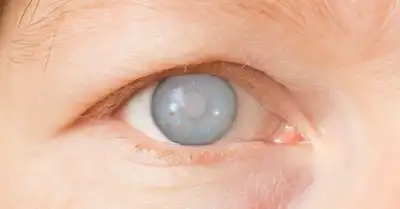
What is a Cataract?
A cataract is a common eye condition where the clear lens inside the eye becomes cloudy, making it difficult to see clearly. The lens normally focuses light onto the retina to form sharp images. When a cataract forms, it blocks or scatters light, leading to blurred or hazy vision. Sometimes, patients don’t know the disease name ‘cataract’; they know its Hindi name, ‘Motiyabind’.
Cataracts develop slowly and are mostly related to aging, but they can also occur due to other reasons like injury, certain medications, or health conditions. Over time, cataracts can interfere with daily activities such as reading, driving, or recognizing faces.
Cataracts are one of the most common causes of vision loss worldwide, but the good news is that they are treatable. Early diagnosis and proper management can restore clear vision effectively.
What are the common symptoms of cataracts?
Cataract symptoms usually develop gradually and may vary depending on the severity and type. Common signs include:
- Blurred, cloudy, or dim vision
- Sensitivity to light or glare
- Difficulty seeing at night
- Fading or yellowing of colors
- Seeing halos around lights
- Double vision in one eye
- Frequent changes in glasses or contact lens prescription
If you experience any of these symptoms, it’s important to get your eyes examined by a specialist.
What causes cataracts?
Cataracts form when the proteins in the eye’s natural lens clump together, causing the lens to become cloudy. This prevents light from passing clearly through to the retina, leading to blurred vision.
The most common cause is aging, but other factors can also lead to cataract formation, such as:
- Diabetes – high blood sugar damages the lens
- Eye injuries or trauma
- Long-term use of steroid medications
- Smoking or excessive alcohol use
- Prolonged exposure to sunlight (UV rays)
- Previous eye surgery or inflammation
- Family history of cataracts
What are the different types of cataracts?
There are several types of cataracts depending on where and how they form in the lens:
- Nuclear Cataract: Forms in the center of the lens and is usually related to aging. It may cause near vision to improve temporarily (called “second sight”) before it worsens.
- Cortical Cataract: Appears as white wedge-like streaks around the edge of the lens that move toward the center. It can cause problems with glare and contrast.
- Posterior Subcapsular Cataract: Forms at the back of the lens and progresses quickly. It affects reading vision and causes glare and halos around lights, especially at night.
- Congenital Cataract: Present at birth or develops in early childhood due to infection, injury, or genetic causes.
- Secondary Cataract: Develops after eye surgery, injury, or long-term use of certain medications such as steroids.
Who is at risk of developing cataracts?
Certain people are more likely to develop cataracts, including:
- Older adults (above 50 years)
- People with diabetes
- Smokers or heavy drinkers
- Those with long-term steroid use
- People exposed to excessive sunlight
- Individuals with a family history of cataracts
- Those who have had eye injuries or surgery
How are cataracts diagnosed?
An eye specialist can diagnose cataracts through a comprehensive eye examination that may include:
- Visual acuity test – measures how clearly you can see
- Slit-lamp examination – allows the doctor to see the lens in detail
- Retinal exam – checks the retina after dilating the pupil
- Tonometry – measures eye pressure to rule out other eye diseases
These tests help determine the type and severity of the cataract and the best treatment approach.
How are cataracts different from other vision problems?
Cataracts cause a gradual loss of vision clarity, unlike refractive errors such as myopia or hyperopia, which can be corrected with glasses. In cataracts, the lens itself becomes cloudy, and no glasses or contact lenses can completely restore clear vision. Only proper treatment can remove the cloudy lens and restore sight.
Can cataracts be prevented?
While aging-related cataracts cannot be fully prevented, their progression can be slowed down with healthy habits:
- Protect your eyes from UV rays by wearing sunglasses
- Eat a diet rich in antioxidants (vitamins A, C, and E)
- Avoid smoking and excessive alcohol consumption
- Keep blood sugar under control if diabetic
- Have regular eye check-ups, especially after age 40
- Avoid unnecessary use of steroid medicines
Early lifestyle care and regular monitoring can help maintain clear vision for longer.
What are the treatment options for cataracts?
The treatment for cataracts depends on the severity of vision loss. In early stages, simple changes may help, but advanced cases usually require surgery.
- Non-Surgical Options
For mild cataracts:
- Use stronger eyeglasses or magnifying lenses
- Improve lighting for reading and daily tasks
- Wear sunglasses to reduce glare
However, these measures only provide temporary relief.
- Surgical Treatment
When vision loss affects daily life, surgery is the only effective solution. During cataract surgery, the cloudy lens is removed and replaced with a clear artificial lens (called an intraocular lens or IOL). The procedure is safe, quick, and usually done on an outpatient basis.
Modern cataract surgery restores excellent vision in most patients and has a very high success rate.
Can homeopathy help in treating cataracts?
Yes. Homeopathic treatment for cataracts aims to slow down or prevent further clouding of the lens, improve eye nourishment, and support overall eye health. It is especially useful in early or moderate stages of cataract and helps avoid surgery in some cases.
Commonly used homeopathic remedies for cataracts include:
- Calcarea Fluorica – helps delay cataract formation and maintain lens elasticity
- Silicea – for slow-developing cataracts in elderly people
- Phosphorus – for blurred vision and sensitivity to light
- Natrum Muriaticum – for early cataract development with watery eyes
- Causticum – for cataracts related to age or injury
These medicines should always be prescribed by a qualified homeopathic doctor based on individual symptoms and health history.
What lifestyle changes support cataract prevention?
Adopting a few simple habits can help maintain healthy eyes and reduce the risk of cataract progression:
- Eat green leafy vegetables, carrots, and citrus fruits
- Avoid smoking and limit alcohol
- Control blood sugar levels
- Use proper eye protection from sunlight and dust
- Stay hydrated and get enough sleep
- Avoid prolonged screen exposure or eye strain
A healthy lifestyle, combined with regular eye check-ups, helps protect your vision naturally.
Can cataracts cause blindness?
Yes, if left untreated, cataracts can cause complete vision loss. The clouded lens blocks light from reaching the retina, making it impossible to see clearly. However, timely treatment can completely restore vision in most cases.
Are cataracts hereditary?
Yes, genetics can play a role. If your parents or grandparents had cataracts at a younger age, you may have a higher risk of developing them earlier. Regular eye exams can help detect any changes early.
Can children get cataracts?
Yes. Though rare, children can be born with cataracts or develop them due to infection, trauma, or metabolic disorders. These are called congenital or developmental cataracts, and they should be treated as early as possible to prevent permanent vision loss.
What are the warning signs that cataracts are getting worse?
You should visit your doctor if you notice:
- Increasing difficulty seeing at night
- Colors appear faded or yellowish
- Needing brighter light to read
- Frequent changes in glasses prescription
- Glare or halos around lights
- Cloudy or double vision
These signs indicate that the cataract is progressing and may need medical or surgical attention.
Can stress affect cataract formation?
While stress does not directly cause cataracts, chronic stress can contribute to other health issues like diabetes and high blood pressure, which can indirectly increase the risk of cataracts. Relaxation and stress management help overall eye health.
Cataracts are a leading cause of vision loss, especially among older adults, but they are also one of the most successfully treatable eye conditions. Early detection, healthy habits, and proper care can maintain clear vision and prevent blindness.
If you experience cloudy or blurred vision, consult an eye specialist or a qualified homeopathic doctor for early treatment. With the right care, you can enjoy a lifetime of healthy vision.
Why choose Dr. Sanjay’s Homoeopathy for Cataract (Motiyabind) Treatment in Lucknow, India?
Dr. Sanjay’s Homoeopathy is a trusted clinic for safe and effective Cataract (Motiyabind) treatment in Lucknow, India. With years of expertise, Dr. Sanjay Singh provides specialized homeopathic treatment that helps manage cloudy vision, glare sensitivity, blurred eyesight, and age-related lens degeneration naturally without side effects. As a leading homeopathic doctor for cataract treatment in Lucknow, he follows international treatment standards and offers personalized care that focuses on slowing cataract progression, improving lens clarity, and supporting overall eye health. Patients choose Dr. Sanjay’s Homoeopathy for its holistic healing, long-lasting relief, and compassionate approach in managing age-related eye conditions like Cataract (Motiyabind). Patients across the world trust Dr. Sanjay Singh for his treatment approach to Cataract (Motiyabind). He treats thousands of patients suffering from this disease.