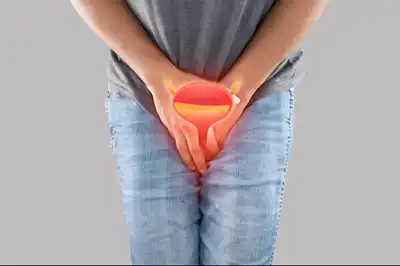
What is a Bladder Stone?
A Bladder Stone is a hard mass of minerals that forms inside the urinary bladder. It develops when urine in the bladder becomes concentrated, allowing minerals to crystallise and stick together. Over time, these crystals grow into stones of varying sizes.
Bladder stones can occur in men, women, and children, but they are more common in older men due to prostate problems that prevent complete bladder emptying.
Small bladder stones may pass out naturally, but larger stones can cause pain, urinary problems, and infections if left untreated.
Why do Bladder Stones form?
Bladder stones usually form when the bladder does not empty completely. When urine remains in the bladder, minerals settle and crystallise.
The longer the urine stays in the bladder, the higher the chance of stone formation.
How does the urinary system work?
The urinary system includes:
- Kidneys (filter waste from blood)
- Ureters (carry urine to the bladder)
- Bladder (stores urine)
- Urethra (passes urine out)
When the bladder does not empty properly, leftover urine becomes concentrated, leading to stone formation.
Common Causes of Bladder Stones
- Incomplete Bladder Emptying: The most common cause, often due to:
- Enlarged prostate (BPH)
- Urethral stricture
- Weak bladder muscles
- Bladder Outlet Obstruction: Any blockage at the bladder outlet increases urine retention.
- Urinary Tract Infections: Certain infections change urine composition, increasing stone risk.
- Neurogenic Bladder: Nerve problems affecting bladder control (due to diabetes, spinal injury).
- Foreign Bodies: Long-term catheters or stitches inside the bladder may act as a nucleus for stone formation.
- Dehydration: Low fluid intake concentrates urine, increasing stone risk.
Who is at risk of Bladder Stones?
People at higher risk include:
- Older men (especially with prostate enlargement)
- Patients with long-term catheters
- People with recurrent UTIs
- Individuals with bladder emptying problems
- Those with poor hydration habits
- Children in regions with poor nutrition
Types of Bladder Stones
Bladder stones are classified based on mineral content:
- Calcium stones – most common
- Uric acid stones
- Struvite stones – related to infections
- Cystine stones – rare, genetic
Common Symptoms of Bladder Stones
Symptoms depend on stone size and movement.
Urinary Symptoms
- Painful urination
- Frequent urination
- Difficulty starting urine
- Weak urine stream
- Interrupted urine flow
- Feeling of incomplete bladder emptying
Pain Symptoms
- Lower abdominal pain
- Pain at the tip of the penis (in men)
- Pelvic discomfort
Other Symptoms
- Blood in urine
- Cloudy or dark urine
- Recurrent urinary infections
- Fever (if infection present)
Some people may have no symptoms, especially with small stones.
How do Bladder Stones affect daily life?
Bladder stones can cause:
- Recurrent discomfort
- Sleep disturbance due to frequent urination
- Anxiety and embarrassment
- Reduced work productivity
- Repeated infections
Delayed treatment may worsen symptoms and complications.
Is a Bladder Stone serious?
Bladder stones are not immediately life-threatening, but if untreated, they can cause:
- Chronic urinary infections
- Bladder damage
- Urinary retention
- Bleeding
- Kidney damage (rare, advanced cases)
Early diagnosis prevents complications.
How is a Bladder Stone diagnosed?
Diagnosis includes:
- Medical history
- Urine examination
- Ultrasound of the bladder
- X-ray or CT scan
- Cystoscopy (if required)
Diagnosis also focuses on identifying the underlying cause.
Conventional Medical Management of Bladder Stones
Treatment depends on the stone size and cause.
Small Stones
- Increased fluid intake
- Monitoring
- Treating the underlying cause
Large Stones
- Endoscopic stone removal
- Laser lithotripsy
- Surgery (rare)
Removing the stone without addressing the cause may lead to recurrence.
Role of Diet in Bladder Stones
Dietary changes help prevent recurrence.
Helpful dietary measures
- Drinking adequate water
- Reducing excess salt
- Balanced protein intake
- Avoiding sugary drinks
- Maintaining a healthy weight
Diet should be personalised based on stone type.
Lifestyle Changes for Bladder Stone Prevention
- Drink water regularly
- Empty bladder completely
- Avoid holding urine
- Treat prostate or urinary problems early
- Maintain good hygiene
- Follow medical advice consistently
Homeopathic Treatment for Bladder Stones in Lucknow
Homeopathy offers a gentle, holistic, and supportive approach to managing bladder stones and their symptoms. Homeopathic treatment focuses on reducing pain, improving urinary flow, managing infections, and preventing recurrence.
Homeopathic care may help by:
- Reducing urinary discomfort
- Improving bladder emptying
- Managing burning and pain
- Reducing infection tendency
- Supporting urinary system health
- Improving overall comfort
Treatment is individualised, based on:
- Stone size and symptoms
- Urinary pattern
- Infection history
- Age and general health
Common Homeopathic Medicines Used
(Prescribed only after proper medical evaluation)
- Berberis Vulgaris – Urinary pain and bladder discomfort
- Lycopodium – Urinary retention and weak stream
- Cantharis – Burning urination and bladder irritation
- Sarsaparilla – Pain at the end of urination
- Apis Mellifica – Swelling and urinary discomfort
Benefits of Homeopathic Treatment
- Natural and non-toxic
- Safe for long-term use
- Can be used alongside conventional care
- Helps reduce recurrence
- Improves urinary comfort
- Enhances quality of life
Bladder Stones in Elderly People
In elderly patients, bladder stones are often linked to prostate enlargement and weak bladder muscles. Managing the root cause is essential to prevent recurrence.
Bladder Stones in Children
In children, bladder stones may be linked to:
- Poor hydration
- Nutritional deficiencies
- Recurrent infections
Early care prevents growth and complications.
Can Bladder Stones be prevented?
Many bladder stones can be prevented by:
- Adequate hydration
- Timely treatment of prostate or urinary problems
- Regular bladder emptying
- Preventing infections
- Healthy lifestyle habits
Frequently Asked Questions
Can bladder stones dissolve on their own?
Small stones may pass naturally, but larger stones usually need treatment.
Are bladder stones different from kidney stones?
Yes, bladder stones form in the bladder, while kidney stones form in the kidneys.
Is homeopathy safe for bladder stones?
Yes, as supportive care under expert supervision.
Can bladder stones recur?
Yes, if the underlying cause is not treated.